
Summary of ZOO ATLANTA ANNOUNCES A COMMITMENT TO SEVEN INTERNATIONAL CONSERVATION EFFORTS IN 2026:
Zoo Atlanta has announced its commitment to support seven global conservation programs in 2026, backed by the Mabel Dorn Reeder Conservation Endowment Fund. This funding will benefit various wildlife species, including orangutans, lions, rhinos, red pandas, Sumatran tigers, radiated tortoises, and clouded leopards across regions like Borneo, Kenya, Namibia, Nepal, Sumatra, Madagascar, and Cambodia.
Key projects include habitat construction for orangutans, educational programs for children in Kenya, anti-poaching efforts for rhinos in Namibia, forestry initiatives for red panda habitats in Nepal, resolution of human-tiger conflicts in Sumatra, health assessments for tortoises in Madagascar, and anti-poaching strategies for clouded leopards in Cambodia. The endowment fund enables Zoo Atlanta to expand its conservation impact through partnerships and targeted outreach, emphasizing community involvement and education.
- Zoo Atlanta’s commitment to global conservation for 2026.
- Overview of specific international conservation projects supported by the Mabel Dorn Reeder Conservation Endowment Fund.
- The role of partnerships in successful wildlife conservation.
- Historical context of Zoo Atlanta’s conservation efforts and their impact on global biodiversity.
- The importance of community involvement in conservation initiatives.
Zoo Atlanta has unveiled an exciting commitment for the year 2026, revealing its support for seven important international conservation projects. This initiative is backed by the Mabel Dorn Reeder Conservation Endowment Fund, which amplifies the zoo’s influence on wildlife protection efforts around the globe. Each of the selected programs focuses on critically endangered species, which face various environmental threats.
The essence of this initiative lies not only in providing funding but also in fostering partnerships that enhance conservation outcomes. By collaborating with various organizations, Zoo Atlanta is taking significant steps to address the pressing challenges many species face due to habitat loss, poaching, and climate change.
A detailed look at each supported project illustrates the variety of geographical and ecological contexts in which these efforts are taking place. These projects are designed to effectively target specific species and their immediate threats while engaging local communities to promote long-term sustainability.
One of the notable projects is with the Borneo Orangutan Survival Foundation USA. The program is focused on establishing island habitats for orangutans in Borneo. These habitats serve as both pre-release areas for orangutans preparing to return to the wild and sanctuary homes for those unable to be released. This innovative approach highlights the need for environments that closely mimic natural habitats, thus allowing orangutans to exhibit their instinctual behaviors and enhancing their chances for successful reintroduction.
In Kenya, the Ewaso Lions program takes on a different approach by focusing on youth education. The Kids Camp program targets children who have not previously encountered conservation efforts. Through interactive wildlife education, safaris, and conservation-themed games, the program aims to ignite a passion for conservation in the next generation. Promoting awareness among young people is crucial in building a future workforce committed to safeguarding wildlife and habitats.
Another significant initiative is the collaboration with the International Rhino Foundation in Namibia. Here, local rangers and community members unite to protect endangered rhinos. The project addresses poaching threats and fosters community involvement by training local rangers and instilling a sense of value for wildlife among children. This grassroots approach is essential for creating sustainable conservation strategies.
The Red Panda Network in Nepal will receive ongoing support for its habitat restoration efforts. In 2026, funding will be allocated for constructing greenhouses and shade houses capable of producing native seedlings. These plants are vital for restoring red panda habitats and offer sustainable job opportunities in local communities. Enhancing economic prospects while fostering environmental stewardship can create a synergy that benefits both wildlife and people.
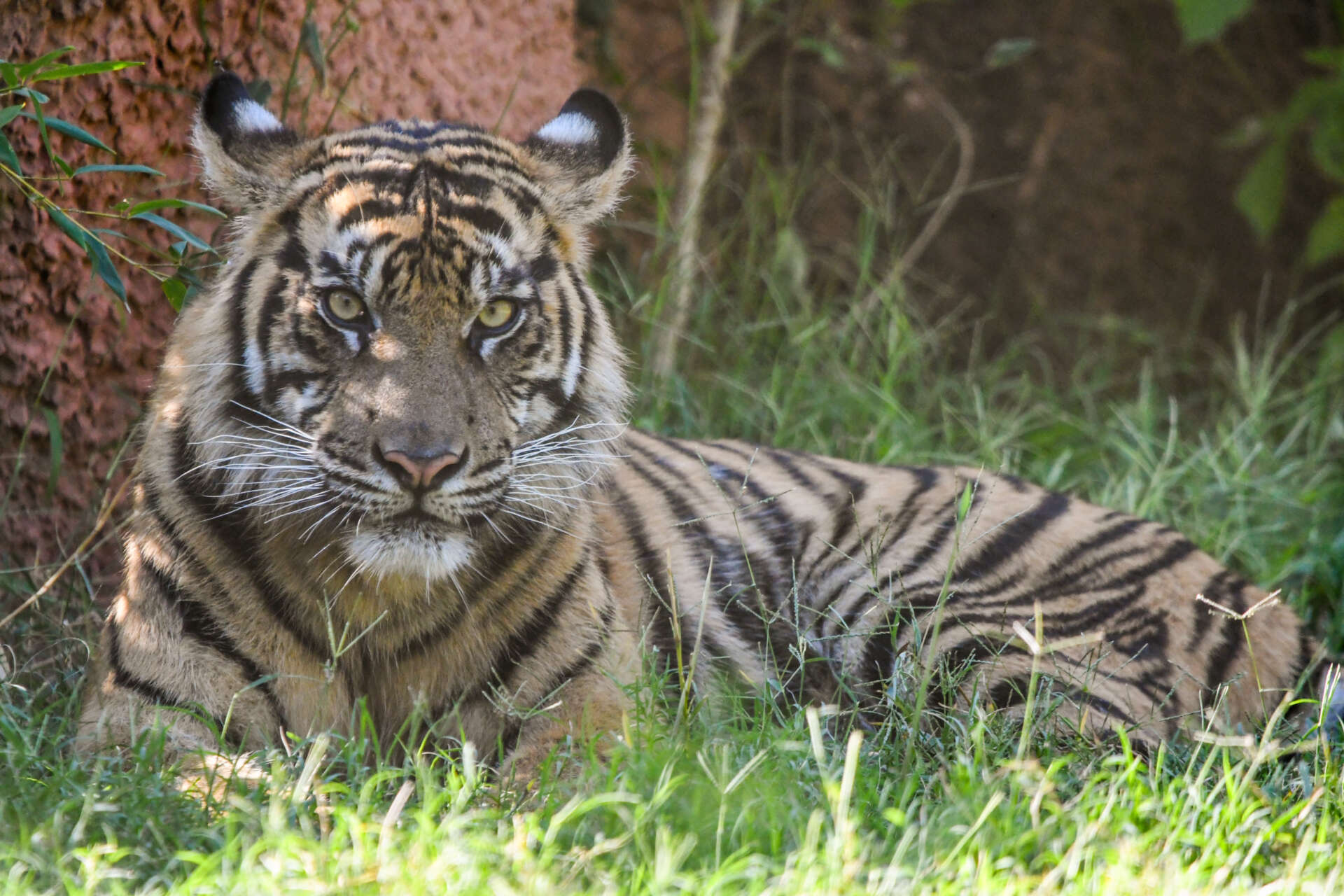
The Tiger Conservation Campaign in Sumatra tackles human-tiger conflicts, which pose a serious threat to the critically endangered Sumatran tiger population. By working directly with local communities, the program seeks to mitigate retaliation killings of tigers that occur due to livestock predation. Engaging villages in conflict resolution can facilitate cohabitation between humans and wildlife, which is essential for the survival of this magnificent species.
In Madagascar, collaboration with the Turtle Survival Alliance aims to conduct health screenings of radiated tortoises. This critically endangered species faces numerous threats, and the program focuses on assessing the overall health of both confiscated and wild populations. The initiative not only addresses immediate health concerns but also strives to build veterinary capacity within Madagascar through training local professionals.
Lastly, the Wildlife Alliance in Cambodia will implement an anti-poaching program specifically targeting the clouded leopard. This initiative focuses on law enforcement patrolling, particularly snare removal efforts in the Cardamom Rainforest, a critical habitat for the clouded leopard. Combating poaching through effective surveillance and legal action is essential for averting further species decline.
The importance of partnerships in these efforts cannot be overlooked. Dr. Gina Ferrie, Vice President of Collections and Conservation at Zoo Atlanta, emphasizes that collaboration is vital for any broad-scale conservation strategy. Possessing the resources to sustain successful programs over time is critical for effective wildlife protection.
Zoo Atlanta’s enduring commitment to conservation can be traced back to previous initiatives. The organization has established influential conservation partnerships, including significant collaborations with Conservation South Luangwa in Zambia and the Golden Lion Tamarin Association in Brazil. These partnerships have further solidified the zoo’s reputation as a leader in global wildlife stewardship, enhancing scientific understanding and global conservation practice.
Ultimately, effective conservation efforts rely heavily on community involvement. Educating local populations about wildlife and environmental stewardship is essential for fostering a culture of conservation. Engaging with communities creates a sense of ownership and responsibility, which can lead to sustainable practices benefitting both wildlife and human populations.
As the world grapples with biodiversity loss and the ongoing effects of climate change, Zoo Atlanta’s initiative to support these seven international conservation efforts in 2026 represents a significant step towards creating a more sustainable future for wildlife. The Mabel Dorn Reeder Conservation Endowment Fund not only provides financial resources but also facilitates relationships that can lead to long-lasting, meaningful impacts on global biodiversity.
For those interested in learning more about Zoo Atlanta’s conservation programs and partnerships, additional information can be found on their website. This commitment to conservation exemplifies a multifaceted approach to wildlife protection, emphasizing the necessity of education, partnerships, and community involvement in addressing the challenges currently facing our planet’s biodiversity.
