
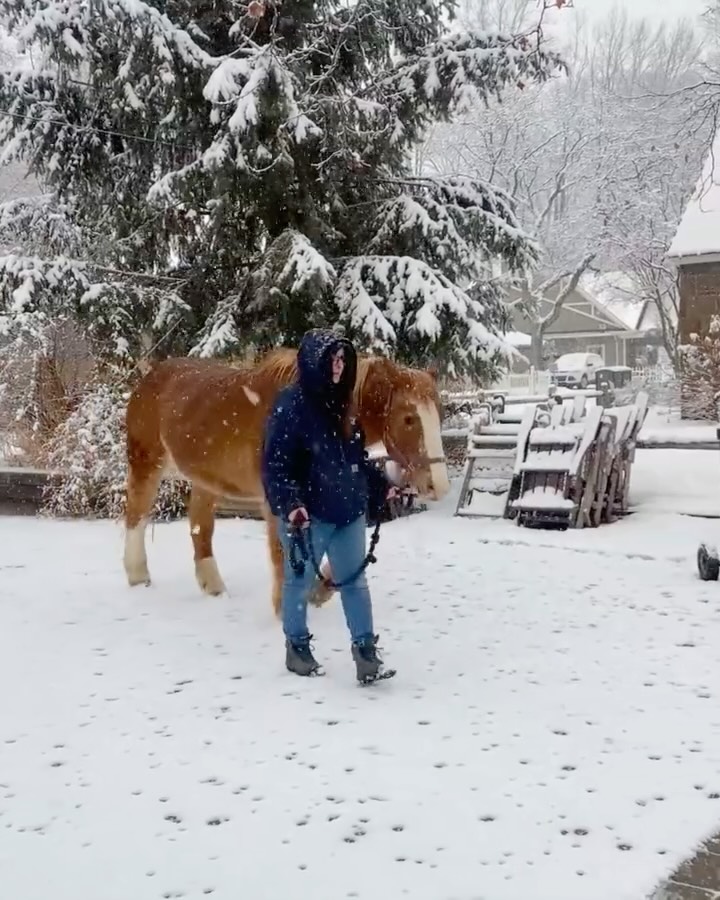
- The significance of snow days at zoos and animal welfare considerations
- Daily routines of zookeepers during inclement weather
- Importance of maintenance and safety for visitors and animals
- The role of social media in zoo communication and engagement
- Recognition of zoo staff and their contributions to animal care
The significance of snow days at zoos goes beyond merely the closure of visitor facilities. These days present both challenges and opportunities for animal care and welfare. During adverse weather conditions, the well-being of zoo animals remains the foremost priority. Animals need appropriate shelter, food, and enrichment activities regardless of external conditions. Zoos implement protocols to ensure that animals are not exposed to harsh weather, allowing them to remain in comfortable and safe spaces.
Snow days affect the daily operations, but many zookeepers are undeterred by the weather. Their commitment to caring for animals is unwavering. For example, zookeepers take special measures during winter storms. They may provide additional bedding, heat lamps, or other environmental enhancements to keep animals warm. On particularly cold days, they often check temperature-sensitive species more frequently, ensuring that all animals are coping well with the chilly weather.
Daily routines for zookeepers entail tasks that are often modified during snow days. Feeding schedules may remain consistent, but food supplies might require adjustments. For many species, diets can include fresh vegetables, fruits, and specially formulated diets that need to be checked for availability. Furthermore, water supplies must be monitored carefully to prevent freezing, which can endanger animals. While the public is not on-site, the zookeepers remain vigilant, performing health assessments quietly and making several passes through the various habitats to ensure no signs of stress or discomfort in animals occur.
Another essential element on snow days involves maintenance and safety precautions for both human visitors and animal habitats. Maintenance teams often work closely with zookeepers to clear pathways and ensure that walkways are safe. This task includes shoveling snow, applying salt, or using sand to prevent slipping hazards. Although guests may not be allowed in the facilities, maintaining a safe environment is especially crucial for staff who must traverse these pathways multiple times throughout the day.
Social media has transformed how zoos communicate their operations to the public. A post indicating that “the zoo is closed today, but snow days don’t stop Dolly from going on her daily morning walk!” can serve multiple purposes. Firstly, it informs followers that operations are still ongoing behind the scenes, while also highlighting the engaging activities that take place, even when public access is limited. This type of communication keeps the public connected to the zoo, fostering a sense of community despite physical barriers. Additionally, it encourages supporters to appreciate the dedication of the staff responsible for animal welfare.
In recognizing the contributions of zoo staff, it is vital to underscore their roles in animal care. The work of zookeepers often goes unnoticed, especially during challenging weather conditions. It is essential for zoo management to publicly acknowledge these contributions, as this recognition can boost morale, foster teamwork, and encourage staff retention. Social media posts celebrating staff efforts—like the one thanking them for being on-site to care for animals during snow days—can strengthen the bond between the zoo and its community.
Furthermore, the value of the zoo extends beyond a mere collection of animals; it encompasses education and conservation efforts. Institutions work diligently to educate the public about wildlife and environmental issues. When snow days or other inclement weather strikes, zoos may also utilize these moments to engage with their online audiences by sharing educational content about animals in winter. This can include highlights about specific adaptations that animals have to cope with cold conditions, empowering people with knowledge regarding wildlife conservation.
Education about the impacts of climate change on animal habits is also significant, especially as winter weather patterns shift and temperatures fluctuate. Understanding how climate change affects animals encourages action and stewardship among zoo-goers. Zoos become more than just a place to see animals; they function as hubs for vital discussions about sustainability and conservation.
The responsibilities during snow days present unique challenges that require effective communication and coordination. In cases where staff members cannot travel to work due to severe conditions, zoos must strategize accordingly. This can involve calling upon local volunteers or reallocating staff from other departments. Collaboration is vital to maintain the quality of care while prioritizing the safety of all.
Furthermore, the responsibilities of zookeepers are not limited to just the animals. They must also consider the habitat and environment surrounding the animals. Snow accumulation and ice can lead to significant problems, such as slippery surfaces or animal access difficulties. Staff must routinely examine both animal enclosures and visitor pathways to assess risks, ensuring both parties remain safe.
Enhancing animal care during such adverse conditions also includes providing mental stimulation. Even when the zoo is closed, zookeepers create enrichment activities to keep animals engaged. Items like foraged food or toys meant to challenge animals’ problem-solving skills can foster a sense of normalcy. This is critical to prevent stress-related behaviors that can arise from being in confinement with limited sensory input.
As wildlife becomes increasingly impacted by human activity, zoos play an evolving role. They contribute to species conservation through breeding programs, habitat restoration, and genetic studies. During winter months, zoos can utilize spare time to enhance research efforts and focus on species known to be vulnerable to climate conditions, further contributing to global biodiversity efforts.
The dedication of zoo personnel extends not only to animal welfare but also to community interaction. Many zoos host outreach programs aimed at teaching younger generations about wildlife conservation. By maintaining a presence on social media during snow days, they find an opportunity to continue these conversations even when physical interactions aren’t possible.
Through online platforms, organizations can also disseminate important messages regarding the significance of preserving wildlife habitats and the complex interconnections within ecosystems. For instance, sharing stories of species that thrive in snowy environments, like polar bears, can spark interest and illustrate the importance of habitat protection.
Further integration of technology in zookeeping processes continually supports zoo improvements. For instance, smart monitoring systems could be used to keep track of animal health status in real time. Data collection on collection-specific environmental factors enhances understanding of how weather influences behavior over time, informing better care practices.
Winter weather, including snow days, provides necessary moments to reflect on animal habitat requirements and conservation strategies. When the zoo is closed, it also cultivates engagement through creative approaches. The community sees the commitment of zookeepers and maintenance staff, recognizing the effort it takes to run a zoo effectively, regardless of the circumstances.
In essence, even when faced with challenging weather conditions, zoos adapt and continue their mission of animal care and education. The collaborative effort exhibited by zookeepers, maintenance staff, and administrative teams illustrates how vital teamwork is within a zoo setting. Acknowledging these contributions enhances public appreciation for zoos as important centers for animal welfare and conservation.
These institutions emerge as beacons of hope for endangered species and advocates for environmental stewardship. Thus, on snow days when the zoo is closed to the public, the narrative surrounding animal care continues. By sharing the behind-the-scenes actions of staff, zoos enrich community ties and promote awareness of their ongoing efforts to protect wildlife. Members of the community and animal enthusiasts alike are reminded that even in challenging circumstances, the dedicated work continues tirelessly.
*****
Source Description
The zoo is CLOSED today, but snow days don’t stop Dolly from going on her daily morning walk! ❄️ No matter the weather, our dedicated staff is on-site ensuring the animals are cozy and safe. While zookeepers feed the animals and make sure the habitats are clean, maintenance works hard to make the pathways safe for everyone. Please join us in saying THANK YOU to our incredible team! 👏
