
Summary of Zoo Conducts Rare Orangutan Surgery:
The content discusses the recent surgical procedures on Michael, a Bornean orangutan at the Phoenix Zoo. Initially, a skin mass was discovered, leading to a surgery on June 12, where it was determined to be apocrine carcinoma, a rare and aggressive cancer. A second surgery took place on August 14 to remove residual tumor tissue and evaluate lymph nodes for possible metastasis. The zoo is currently awaiting pathology results to determine Michael’s next steps. The post includes images of Michael and links to other related zoo news.
- Bornean orangutan Michael undergoes a rare surgical procedure for apocrine carcinoma.
- The complexity of diagnosing and treating rare cancers in non-human species.
- Collaboration between zoo veterinarians and external specialists ensures comprehensive care.
- Importance of monitoring rare species for signs of illness and disease, especially in captivity.
- Future implications of this surgery on conservation and veterinary practices.
Michael, a Bornean orangutan at the Phoenix Zoo, recently faced a challenging health crisis that led to a rare surgical intervention. After keepers noticed a slow-growing skin mass near his axilla (armpit), he was anesthetized for a thorough examination. The resulting diagnosis revealed that Michael had apocrine carcinoma, a very rare form of cancer, the first instance recorded in an orangutan. Such occurrences underscore the significance of veterinary care tailored for zoological residents, particularly for species vulnerable to specific health issues.
Apocrine carcinoma is a type of skin cancer that can be invasively aggressive. It originates in the apocrine glands, which are primarily responsible for secreting sweat and other fluids. Although it is documented in humans, this specific case marked a novel finding in orangutans. The rarity of this cancer, particularly in non-human species, illustrates the complexities involved in both diagnosing and treating such conditions in animals. Zoo veterinary staff often collaborate with specialists to navigate this intricate landscape of animal health.
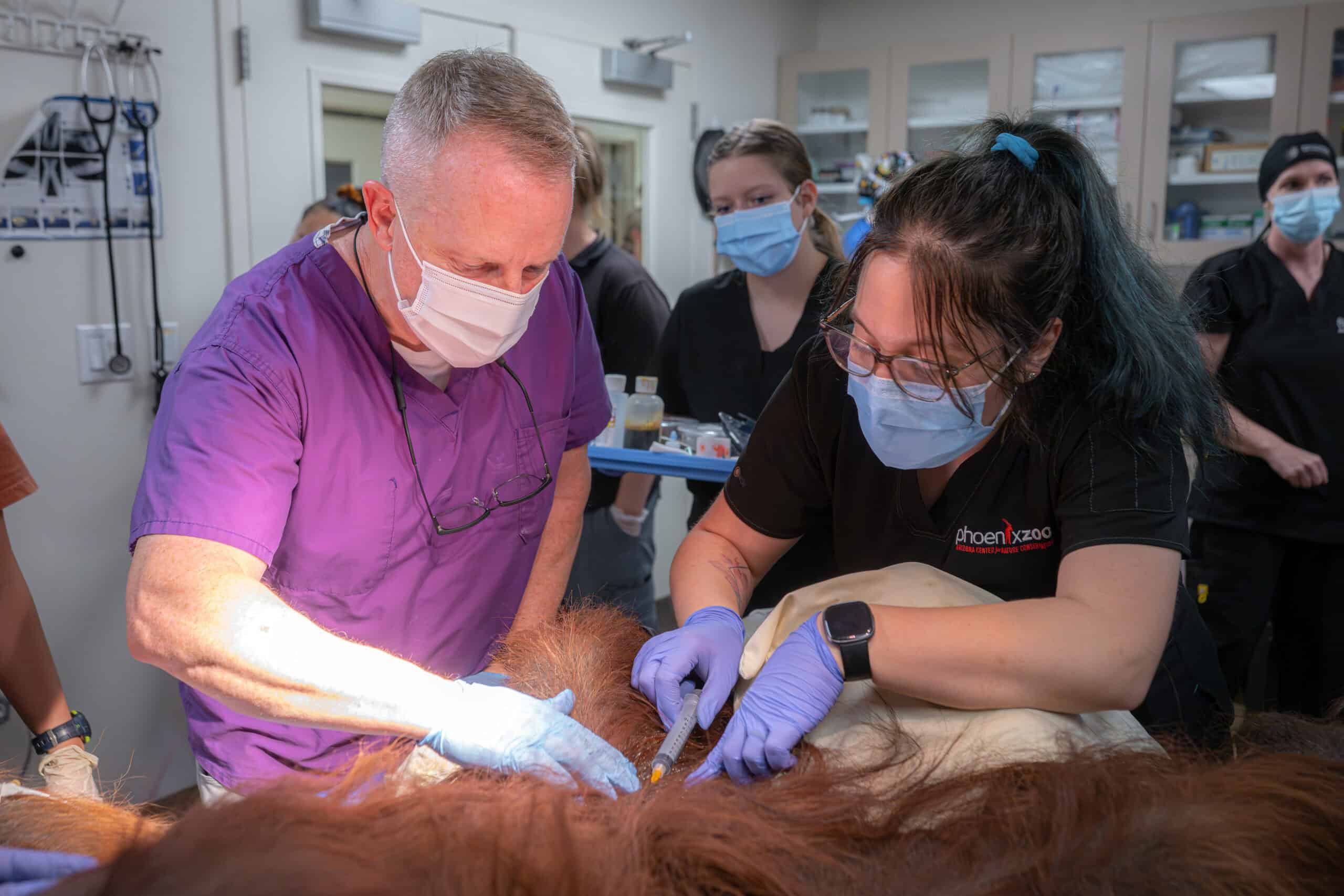
On June 12, the zoo’s veterinary team performed surgery to remove the mass for pathological evaluation. This first operation was essential for diagnosis and provided insights into the tumor’s characteristics. Following discussions with pathology specialists experienced in both human and primate cancers, the decision was made for Michael to undergo a second surgical procedure on August 14. The aim was to resect the tumor site again to achieve clear surgical margins—an essential goal to enhance his chances of a full recovery. The collaborative effort involved veterinarians from the zoo and Dr. Jeffrey Steurer, a veterinary surgeon from Southwest Veterinary Surgical Service.
The surgical procedure employed innovative techniques integral to modern veterinary medicine. A tracer dye was injected to help identify sentinel lymph nodes—the first nodes to which cancer cells may metastasize. Removing these nodes allows for a comprehensive evaluation of possible cancer spread in Michael’s body. This approach reflects a commitment to providing the highest standard of care and an understanding of oncological principles.
In vet medicine, the interdependence of knowledge in human and animal health can lead to advances beneficial to both. Human oncology often informs practices in veterinary settings, as treatment protocols may evolve from studies conducted on humans. The emerging data from Michael’s case will contribute to the collective understanding of wildlife health, providing templates for future cases.
Monitoring wildlife, especially those in captivity, is critical. Zoos play a significant role in the conservation of endangered species, providing an avenue for increased understanding and handling of rare health conditions. Regular health assessments and observations are vital in identifying early signs of illness, which can be challenging to detect in animals compared to humans due to their often stoic disposition.
This surgical intervention has broader implications for conservation efforts and veterinary practices. With the growing intersections between wildlife conservation and veterinary medicine, cases like Michael’s are essential in shaping future protocols. The insights gained will feed into larger conservation strategies, focusing on health monitoring and disease management in endangered species.
As the veterinary team awaits further pathology results to determine Michael’s prognosis, their commitment to ongoing care remains unwavering. Each step they take emphasizes the importance of expertise in treating rare and severe conditions, alongside the hope that Michael’s journey will guide future veterinary practices concerning primate health. The health and well-being of endangered species like the Bornean orangutan can significantly influence public awareness and conservation efforts, ultimately leading to a ripple effect in the management of wildlife health.
The case of Michael not only exemplifies veterinary medicine’s advancements but also serves as a reminder of the responsibility held by zoos and wildlife centers. Each conservation effort contributes to the overarching goal of species protection and habitat preservation. By effectively documenting and utilizing unique cases, wildlife managers and veterinarians can enhance their approaches, fostering a stronger foundation for future animal health care initiatives.
As keepers and specialists work diligently during this crucial period, they remain hopeful for Michael’s recovery. His case illustrates both a challenge and an opportunity in wildlife medicine—a chance to learn from the experience and improve protocols not just for orangutans, but for all species facing similar health issues. The interdisciplinary collaboration and commitment to animal health exemplify the dedication of those involved in conservation and provide an essential model for future practices.
Moving forward, the outcomes of Michael’s surgery and subsequent care will provide invaluable data. As the world becomes more aware of the health challenges endemic to particular species, the knowledge gained from this case will serve as an educational resource. It will empower future veterinary professionals and wildlife managers to address the health needs of rare and endangered species proactively, ensuring they can thrive in their natural habitats.
Each procedure conducted for animals like Michael reinforces the vital role that veterinary medicine plays in conservation. By addressing conditions that threaten the lives of endangered species, zoos contribute not only to individual animal welfare but also to the health of entire ecosystems. The advancements in medical research sparked by cases like this illuminate the path for future endeavors in wildlife health, fostering hope for a thriving future for many endangered species worldwide.
