
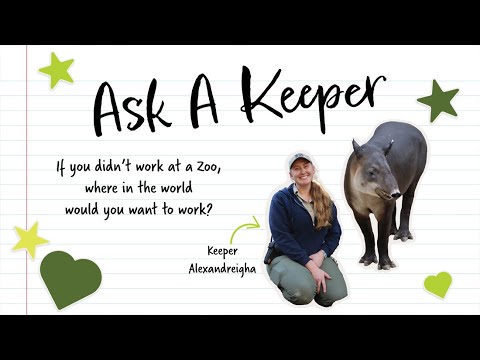
- Exploration of zoo keepers’ career aspirations beyond zoo work.
- Examination of alternative career paths for individuals with expertise in zoology.
- Discussion on the roles and impact of wildlife conservation.
- Analysis of the skills and knowledge gained from working in a zoo environment.
- Consideration of global opportunities in wildlife conservation and management.
Zoo keepers dedicate their lives to caring for animals and educating the public about conservation. However, if they were to apply their skills outside the zoo environment, where might they find fulfillment? This intriguing question unravels a multitude of opportunities that align with the profound expertise in zoology, zoo management, and wildlife conservation.
Exploration of zoo keepers’ career aspirations beyond zoo work can shed light on alternative avenues where their knowledge and passion for animals can thrive. Many zoo keepers possess a deep understanding of animal behavior, nutrition, and habitat requirements, making them well-suited for roles in varied sectors. Uncovering these aspirations provides a broader perspective on the contribution these professionals can make globally.
Alternative career paths for individuals with expertise in zoology expand significantly beyond traditional zoo roles. Conservation organizations around the world require skilled professionals familiar with the nuances of various species and their ecosystems. This expertise is crucial for drafting effective management plans in natural reserves or sanctuaries, contributing to global biodiversity conservation efforts.
Wildlife conservation is paramount in today’s context. It’s not just about preserving species but involves ensuring healthy ecosystems. Zoo keepers’ roles can seamlessly transition into conservation work. Their skills in animal care and public education are vital for working with communities to promote sustainable practices and human-wildlife coexistence.
The skills and knowledge gained from working in a zoo environment are numerous and adaptable. Zoo keepers develop an ability to engage and educate the public, manage captive populations, and implement enrichment programs to enhance animal welfare. These competencies are valuable in roles such as wildlife education officers or environmental consultants.
There are myriad global opportunities in wildlife conservation and management. Roles extend from research and fieldwork in remote locations to policy development at international conservation bodies. Zoo keepers can engage in projects aimed at combating poaching, habitat loss, or the impacts of climate change on wildlife. This global outlook broadens both the reach and impact of their work.
The exploration of where zoo keepers might work if not in a zoo environment highlights the versatility of their skills and sheds light on the varied avenues available for those passionate about wildlife conservation and management.
*****
Source Description
We’re taking your questions, and sharing our personal stories with another installment of our Ask A Keeper series! Hear from Keeper Alexandreigha about her world travels learning about and caring for Baird’s tapirs. Be sure to follow us on Instagram (reidparkzoo) and keep an eye out for our stories to submit a question!
