
- The emotional and mental challenges faced by zookeepers.
- Understanding allostatic load and its impact on zookeepers’ well-being.
- The responsibilities and vigilance required in zookeeping.
- The impact of work on personal life and mental health.
- The importance of supporting zookeepers’ mental health.
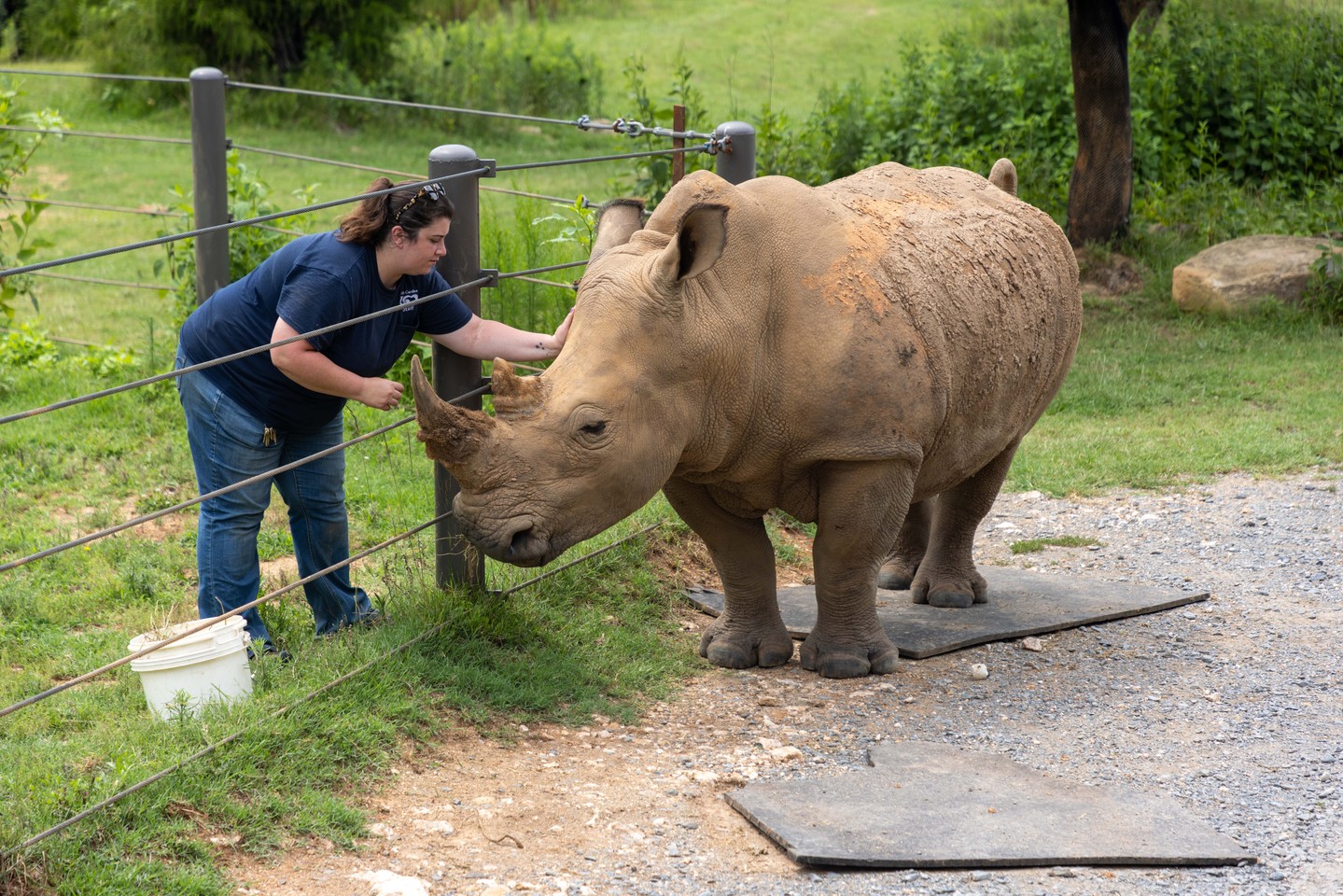
Zookeepers play a vital role in the care and conservation of wildlife. Their work is more than just a job; it’s a calling that involves significant emotional and mental challenges. The mental health of these dedicated professionals deserves attention, particularly as we conclude Mental Health Awareness Month. One crucial concept to understand in this context is allostatic load, which describes the cumulative burden of chronic stress on the body. For zookeepers, allostatic load isn’t just theoretical—it shapes their daily experiences and well-being.
Zookeepers operate in a state of constant alertness. The responsibility of caring for animals, some with the potential to cause harm, demands the utmost vigilance. Every detail matters, and a single oversight can have significant consequences. This continuous state of hyper-responsibility leads to mental fatigue, as zookeepers bear the invisible weight of ensuring the well-being of creatures that rely entirely on their care.
Even after their shifts end, zookeepers often find it difficult to disconnect. The mental strain doesn’t dissolve with the end of a workday. Their minds remain occupied with the needs of the animals, often leading to interrupted personal lives and a persistent sense of duty. This constant engagement with their responsibilities illustrates the profound impact of their work on mental health.
Zookeepers exhibit a deep commitment to learning and improving the care they provide. Despite their efforts, many feel that they can never do enough. This drive to increase their knowledge and capabilities comes from a genuine desire to enhance animal care but can also contribute to stress and feelings of inadequacy, further exacerbating mental health challenges.
Supporting zookeepers’ mental health is essential. These professionals are the backbone of animal care and conservation efforts worldwide. Providing resources and support for their mental well-being will help them continue their critical work effectively. It is important to acknowledge and address the stressors they face and offer appropriate interventions to maintain their own health while they care for our planet’s remarkable creatures. Highlighting the importance of mental health awareness and offering support can make a significant difference in their lives.
*****
Source Description
Rounding out Mental Health Awareness Month with some insights into a zookeeper’s mind.🧠🔍
Ever heard of allostatic load? It’s the cumulative burden of chronic stress on the body. And for zookeepers, it’s not just theoretical — it’s a daily reality. 📆
Imagine being in a constant state of high alert: caring for animals that could harm you, making sure nothing goes wrong, and feeling hyper-responsible for living beings that depend on your care. It’s mentally and emotionally exhausting. Every decision matters and every detail counts. ‼️
Zookeepers don’t clock out from the responsibility. Their bodies carry the weight of that vigilance long after the shift ends. Caring for animals isn’t just physical — it’s mental. Keepers hold an invisible weight: the drive to do more, learn more, provide more. And still, it never feels like enough. That load? It’s heavy and it rarely lets up. 😓
It’s hard to shut off the “zookeeper brain” — the part that keeps scanning, worrying, watching. Even on days off. Even when walking through a different zoo. Even at home. 🤔💭
This is a job that follows you everywhere — in your head, in your heart.❤️🧠
Let’s talk more about this! There is no one that cares more for these animals than the zookeepers. So who cares for the keepers? ❤️🩹 Let’s support the mental health of those who care for our planet’s most incredible creatures. We will be sharing more zookeeper mental health insights in the following weeks. 🫶
