
- The importance of enrichment in captive animal care.
- Construction of a puzzle feeder using recycled materials.
- The significance of using sustainable practices in zoos.
- Understanding gibbon behavior and ecology.
- The impact of puzzle feeders on animal welfare and health.
Providing adequate enrichment for animals in a zoo setting is a fundamental component of their care. This enrichment goes beyond just feeding; it plays a vital role in promoting mental stimulation and encouraging natural behaviors. Many zoos have turned to various strategies to keep animals engaged, with puzzle feeders being a popular choice. By incorporating puzzle feeders into their environment, zookeepers help mimic natural foraging activities, reducing stress and boredom among the animals.
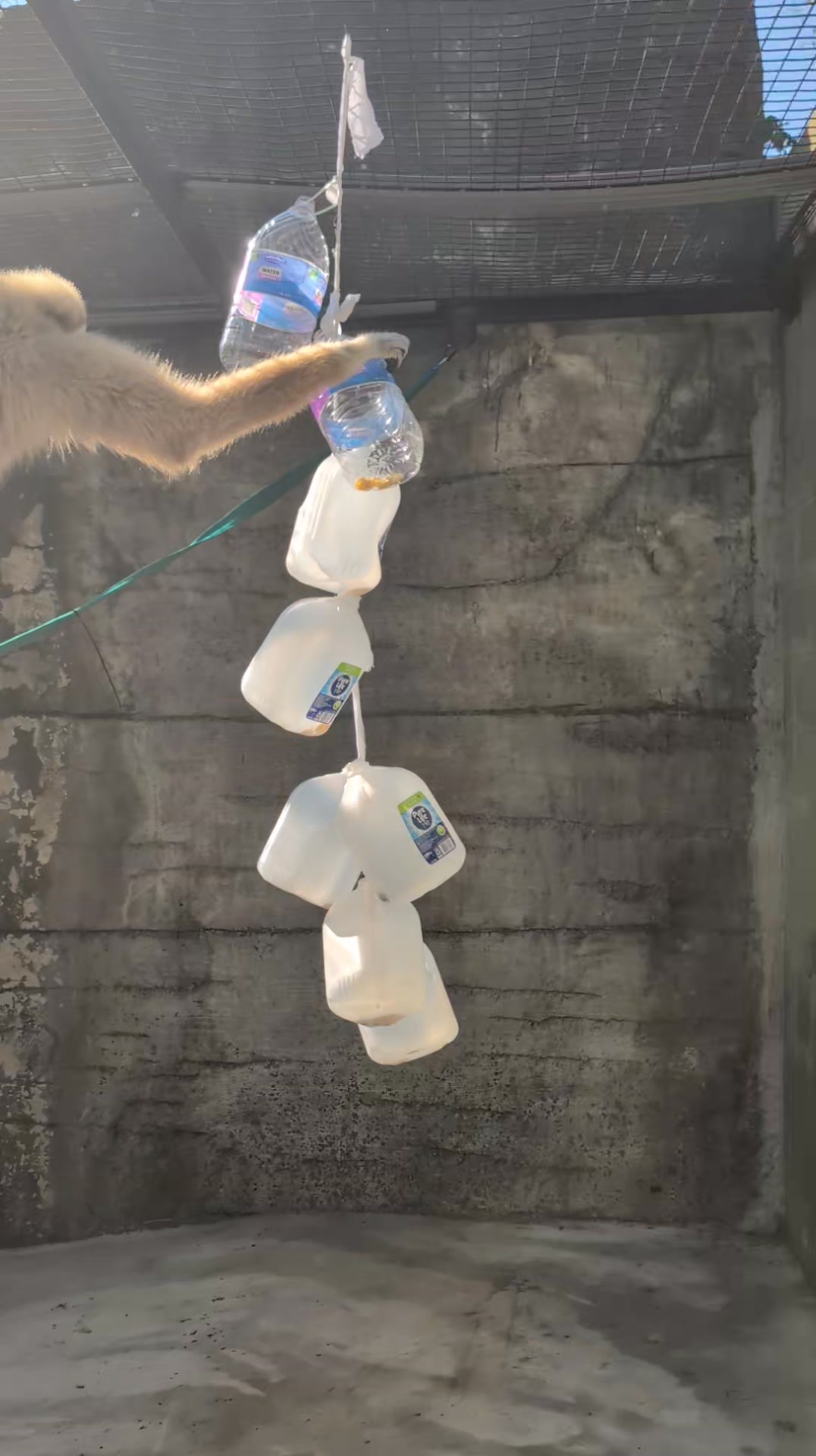
One innovative approach to creating enrichment tools is the construction of puzzle feeders using recycled materials. Recently, zookeepers at an animal facility utilized old water jugs to craft a new puzzle feeder for the resident gibbons. This adds an educational layer to their operations, encouraging sustainability in zoo practices. Using recycled items not only demonstrates a commitment to the environment but also showcases the creativity of the zookeepers in repurposing materials to benefit animal welfare.
The choice of water jugs for constructing the puzzle feeder effectively illustrates how everyday items can be transformed into functional enrichment tools. Water jugs can be filled with various treats, such as fruits, vegetables, or specially formulated snacks for the gibbons. The gibbons must manipulate the jugs to access their food, stimulating their cognitive capabilities as they work to solve the “puzzle.” This activity prioritizes their intelligence and keeps them physically active, which is essential for their overall health.
Sustainable practices in zoos are increasingly gaining attention. The construction of enrichment tools from recycled materials falls under a larger umbrella of eco-friendly initiatives. Many facilities are exploring ways to minimize waste, conserve resources, and engage in responsible practices. This trend not only benefits the environment but teaches visitors and the community about the importance of sustainability in wildlife conservation efforts. Involving the public in these sustainable initiatives helps to raise awareness and foster a stronger relationship between humans and wildlife.
Understanding gibbon behavior is crucial when developing enrichment tools, such as puzzle feeders. Gibbons are known for their acrobatic abilities and social structures, often found in small family groups in their natural habitats. They are primarily arboreal and couples often forage together. This natural behavior should be mirrored in captivity to ensure their psychological well-being. Puzzle feeders that encourage problem-solving and teamwork among gibbons can reflect their social nature, enhancing their overall living conditions.
Additionally, puzzle feeders have a notable impact on the overall welfare and health of captive animals. Engaging activities can help reduce stress and unwanted behaviors often associated with confinement. The act of foraging promotes physical exercise, which is necessary for preventing obesity and other health-related issues. Gibbons, like many primates, are inherently curious and intelligent, requiring mental stimulation to thrive. Puzzle feeders fulfill this need, allowing for a more enriching zoo experience that respects and honors their natural instincts.
By integrating innovative solutions like the recycled puzzle feeder into their care routines, zoos move towards a more holistic approach in animal management. This type of enrichment tool serves a dual purpose: it is a clever solution to utilize recyclable materials, and it enhances the well-being of the animals. As zoos continue to evolve, the commitment to animal welfare and sustainable practices will be paramount in their success in conservation efforts and education.
Beyond the immediate benefits for the gibbons, implementing such projects can have broader implications for public engagement and education. When visitors witness how zookeepers creatively use recyclable materials to support animal welfare, it sparks conversations about sustainability and wildlife conservation. These initiatives demonstrate practical applications of ecological responsibility, positioning zoos as advocates for environmental stewardship.
Zoo facilities can serve as important educational platforms. By sharing the stories behind innovative initiatives, like the development of the puzzle feeder, zookeepers can inspire the public to consider how they can also contribute to wildlife conservation at home. This increased awareness of environmental responsibility can lead to positive actions, such as recycling, reduction of plastic use, and supporting sustainable products.
Furthermore, puzzle feeders can be adapted not only for gibbons but for various species in zoo environments. The principles of constructing these devices can be shared across different animal enclosures, encouraging a culture of enrichment throughout the entire facility. Each species may require specific adaptations and considerations, but the overall concept remains beneficial across the board.
In summary, the creation of a puzzle feeder from recycled water jugs demonstrates the synergy between animal welfare and sustainable practices in zoo management. The strategic design of these enrichment devices promotes mental and physical health for gibbons while embracing ecological responsibility. Zoos play a crucial role in not just showcasing creatures but also inspiring community action toward conservation. Through such initiatives, they reinforce their commitment to sustainable wildlife management and the health of the ecosystems they represent.
Efforts like these highlight the complexities of animal care, urging continuous learning and adaptation in methods of enrichment. The integration of recycled materials for puzzle feeders illustrates the importance of creative problem solving in zoology and wildlife management. As more zoos adopt these practices, the potential for positive impacts on animal behavior and educational outreach will only increase.
The journey toward optimal animal welfare in zoos is ongoing, requiring collaboration among zookeepers, conservationists, and the community to achieve substantial results. Through shared knowledge and innovative solutions, such as the puzzle feeder, the zoo environment can significantly enhance the quality of life for the animals it houses. The impact of these efforts transcends the boundaries of zoos and serves as an exemplar of how human creativity can beneficially merge with responsible wildlife care.
As zookeepers continue their work, the focus should remain on fostering environments where animals can express natural behaviors and thrive. Puzzle feeders represent one of many methods to stimulate both the mind and body of the inhabitants. Beyond entertainment, they embody a meaningful connection between sustainability and animal welfare, showcasing how recycling can lead to more enriched and vibrant lives for captive wildlife.
Ultimately, the project of crafting puzzle feeders with recycled materials reinforces a vital message about our role in conservation efforts. It reflects a commitment to not only the animals in our care but also to the planet we share. Both animals and humans benefit from thoughtful practices rooted in environmental awareness. The ongoing development and application of enrichment tools, such as puzzle feeders, will continue to advance the standards for animal care within zoos, marking a step forward in the pursuit of excellence in zoological management.
*****
Source Description
Using some recycled water jugs, our zookeepers made a new puzzle feeder for the gibbons.
