
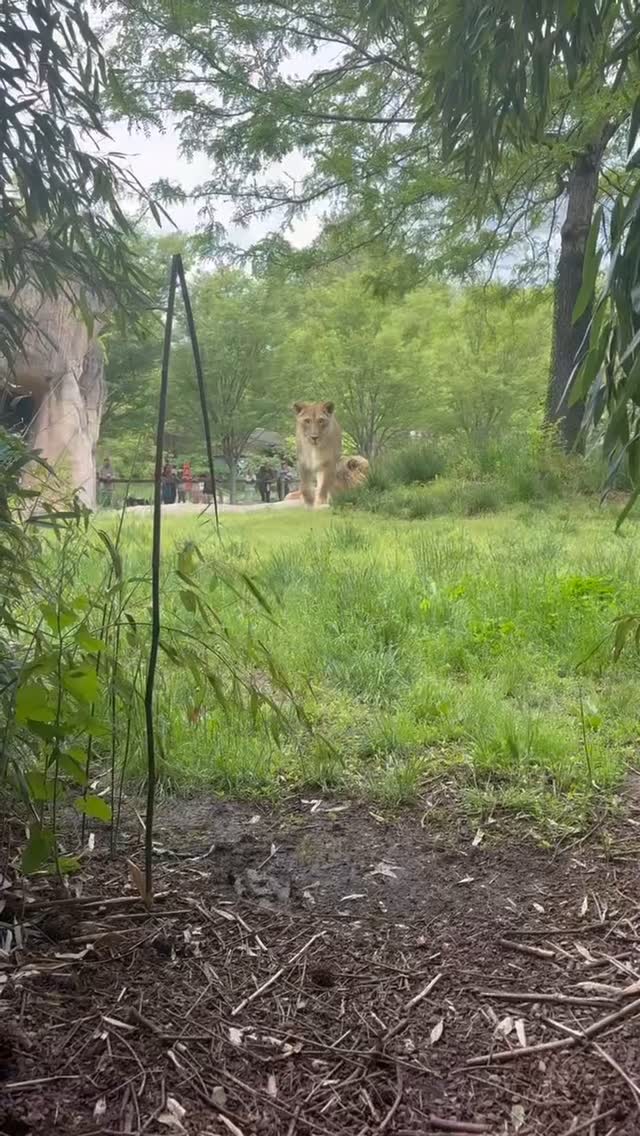
- An intimate look at Imani, an exemplary lioness, defined by her inquisitive nature, intelligence, and independence.
- The role of zookeepers and their special bond with Imani, highlighting daily care and training techniques.
- The importance of lion behavior studies in zoos for conservation and education.
- Insights into the natural habitat of lions and its significance for global conservation efforts.
- Contributions by organizations like Great American Insurance Group towards wildlife conservation efforts.
Imani, the lioness, is a fascinating subject for understanding the nuances of a lion’s life in captivity. She embodies the characteristics of curiosity, intelligence, and independence, traits that are hallmark to a successful predator in the wild. At first glance, one might be inclined to see only her majestic presence. However, there’s an entire spectrum of behavior and attributes that provide insights into her role as a lioness.
Imani’s Traits and Zookeeper Interactions
One key aspect that sets Imani apart is her sharp intellect. Her inquisitive nature keeps her engaged with her environment, constantly exploring, examining, and interacting with her space. This provides an ideal platform for zookeepers to observe and engage with her. Enrichment activities designed to stimulate her mental faculties ensure she remains active and healthy. Techniques involve hide-and-seek games with food or new objects introduced into her enclosure to mimic hunting scenarios.
Zookeepers play a vital role in her daily life. They spend hours understanding her needs, noting any changes in behavior or health, and responding accordingly. Through positive reinforcement training, zookeepers can carry out necessary tasks like health check-ups with minimal stress for Imani. This training, integral for her welfare, helps maintain her in prime condition, both mentally and physically.
Lion Behavior Studies and Conservation Education
Imani is an important figure in lion behavior studies. Observations from her daily interactions provide valuable data, contributing to broader research on lion cognition and social behaviors. Understanding these elements in a controlled environment assists researchers in conserving wild populations. Zoos frequently serve as educational platforms where the public can learn about these majestic creatures. By witnessing Imani’s agility and grace, visitors gain insights into lion behaviors that might otherwise remain unknown to them.
Did you know a lioness can sprint at up to 33 mph? This incredible speed is crucial for capturing prey in the wild, and studying such abilities in a captive setting can lead to improvements in conservation strategies. Zoos create simulations to keep such instincts active, ensuring that lions like Imani retain their natural prowess.
Insights into Natural Habitats
Lions historically roamed across vast areas of Africa and even into parts of Europe and Asia. Today’s lion populations are mostly found in sub-Saharan Africa, with a small group of Asiatic lions surviving in India’s Gir Forest. Habitat loss and human-wildlife conflicts remain significant threats to their survival, making conservation efforts crucial.
Imani’s presence in a zoo is part of a larger strategy to secure the future of her species. By creating environments that replicate natural habitats as closely as possible, zoos help bridge the gap between an artificial and native habitat. This environment aids in the study of their adaptability to changing circumstances, success in reproduction, and overall fitness, which are key areas for experts working on rewilding projects.
Contributions by Organizations and Conservation Efforts
Organizations like the Great American Insurance Group play a pivotal role in supporting conservation initiatives financially. Their collaboration with zoos ensures that the resources needed for animal care, research, and outreach are consistently available. This partnership represents a proactive approach to conserving biodiversity, highlighting the importance of corporate engagement in environmental stewardship.
Conservation programs often involve breeding programs aimed at maintaining genetic diversity. Imani, with her remarkable qualities, is part of such initiatives, ensuring that her traits are preserved for future generations. Efforts extend beyond breeding—they encompass educating the public about the importance of lions in the ecosystem and fostering a sense of responsibility toward wildlife preservation.
Engagement from all sectors of society is necessary for successful conservation outcomes. By facilitating public interaction with animals like Imani, the gap between humanity and wildlife narrows, nurturing empathy and support for conservation measures.
Understanding lions through zookeeper perspectives offers a unique angle on appreciating these amazing animals. Imani, with her intelligence and grace, is a testament to the potential success of zoo management in achieving conservation goals. Her life not only dazzles visitors but also fuels critical research, ensuring that these magnificent creatures remain a vibrant part of our planet’s biodiversity for generations to come.
*****
Source Description
Zookeeper POV: up close with Imani the lion! Imani is everything a lioness should be! She is inquisitive, intelligent, and independent. DYK: A lioness can sprint at up to 33 mph! This great video is brought to you by Great American Insurance Group.
