
- Importance of Red Pandas in Zoos: Understanding Biodiversity and Conservation
- Role of Zoos in Wildlife Preservation: Breeding Programs and Species Survival
- Educational Impact: Public Awareness and Engagement
- Ethical Considerations in Zoo Management: Red Pandas as a Case Study
- Challenges and Opportunities in Caring for Red Pandas
Red pandas are a captivating subject in the animal kingdom, primarily due to their enchanting appearance and the critical role they play in biodiversity. The decision by zoos to house these charming creatures is rooted in multifaceted motivations that intertwine conservation, education, and ethical stewardship.
Importance of Red Pandas in Zoos
Red pandas possess a distinct place in the sphere of biodiversity. Endemic to the Eastern Himalayas, they inhabit temperate forests with dense bamboo undergrowth. As classified by the International Union for Conservation of Nature (IUCN), red pandas are threatened, primarily due to habitat destruction, poaching, and climate change. Zoos provide a protective environment where these animals can thrive, thus contributing to global conservation efforts.
By nurturing red pandas within a controlled setting, zoos play an integral part in maintaining genetic diversity. This ex-situ conservation method is vital for species’ survival, supplementing in-situ efforts in the wild. In zoos, scientists and zookeepers can monitor health, breeding patterns, and behavior closely, offering insights that are transferrable to wildlife conservation projects worldwide.
Role of Zoos in Wildlife Preservation
Zoos are pivotal in wildlife preservation through their structured breeding programs. The Species Survival Plan (SSP) is one such initiative aiming to foster animal populations and maintain their genetic health. For red pandas, these programs orchestrate mating plans between zoos globally, considering genetic data to reduce inbreeding and enhance survival prospects.
By coordinating these efforts, zoos can reintroduce individuals to their natural habitats when conditions allow, bolstering wild populations. Additionally, captive-born red pandas serve as ambassadors that help zoological organizations raise critical funding and resources needed for broader environmental conservation initiatives.
Educational Impact
An equally significant aspect of having red pandas in zoos is their contribution to public education and awareness. Zoos serve as centers for learning, where visitors can engage with wildlife in ways that deepen their understanding of ecological balance.
Red pandas attract attention and inspire curiosity, making them effective tools for educating the public on the environmental challenges these animals face. Through encounters, interpretive talks, and interactive exhibits, zoos can communicate crucial messages about deforestation and conservation, fostering a culture of environmental responsibility among visitors.
Ethical Considerations in Zoo Management
The presence of red pandas in zoos also involves ethical considerations. Zoo management must guarantee that the animals live in environments that replicate their natural habitats and attend to their physical and psychological needs. Enclosures enriched with climbing structures, foliage, and bamboo allow red pandas to exhibit natural behaviors, promoting their well-being.
Moreover, ethically responsible zoos prioritize research projects that support both captive and wild populations. Collaborative efforts with conservation organizations ensure that the knowledge gained from zoo-kept individuals directly benefits species survival plans worldwide.
Challenges and Opportunities in Caring for Red Pandas
Caring for red pandas presents distinct challenges and opportunities. Their specific dietary needs, primarily bamboo, require meticulous planning. Zoos must source the appropriate vegetation and replicate the animals’ natural diet as closely as possible to promote health and longevity.
Additionally, red pandas are sensitive to stress, demanding careful environmental and social considerations. Zookeepers work to establish stable environments, often utilizing behavioral enrichment activities that provide physical and mental stimulation.
Despite these challenges, the opportunity to study red pandas closely enriches scientific knowledge. Each interaction provides data that can improve conservation strategies, habitat designs, and understanding of species-specific needs.
In conclusion, the decision to keep red pandas in zoos revolves around essential conservation efforts, educational enrichment, and the commitment to ethically responsible animal care. Through these endeavors, zoos not only protect this unique species but also engage the public in a broader conversation about preserving our planet’s biodiversity.
*****
Source Description
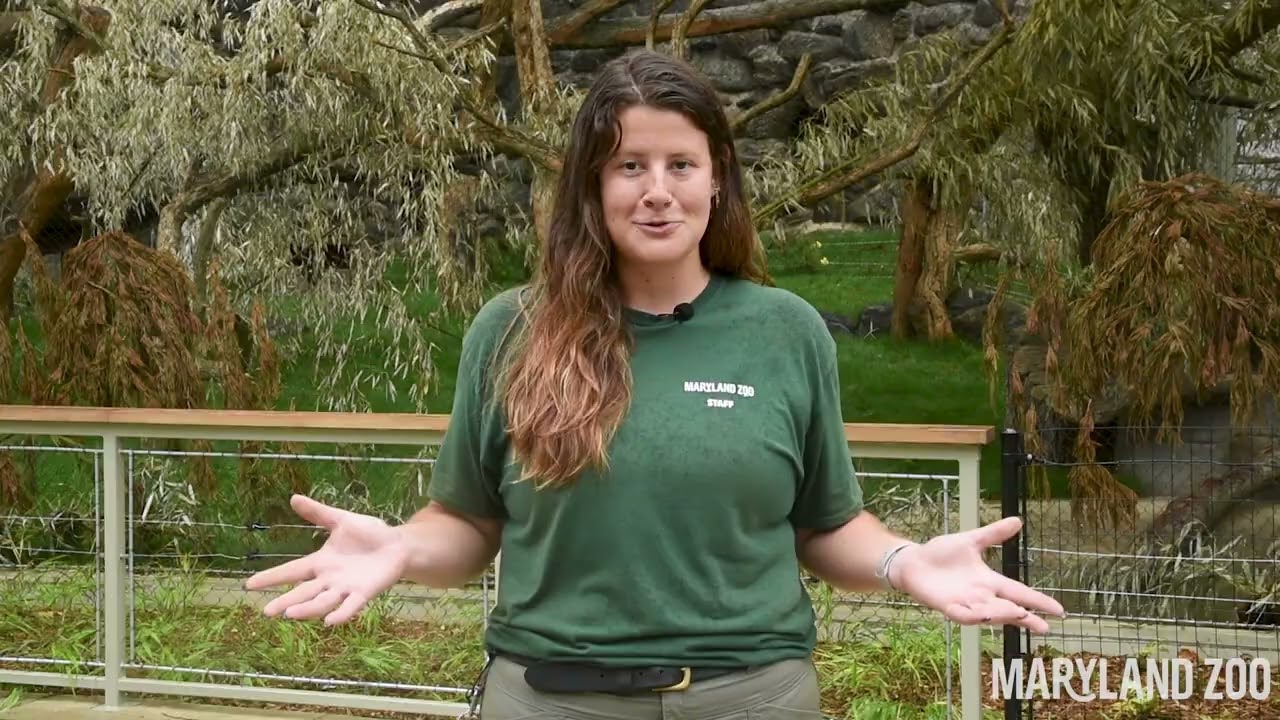
ASK THE ZOO: “Why did the Zoo decide to have red pandas?” 🐾❤️
Have a question you’d like to see answered in a future feature? Submit it here: https://bit.ly/43ERXic
