
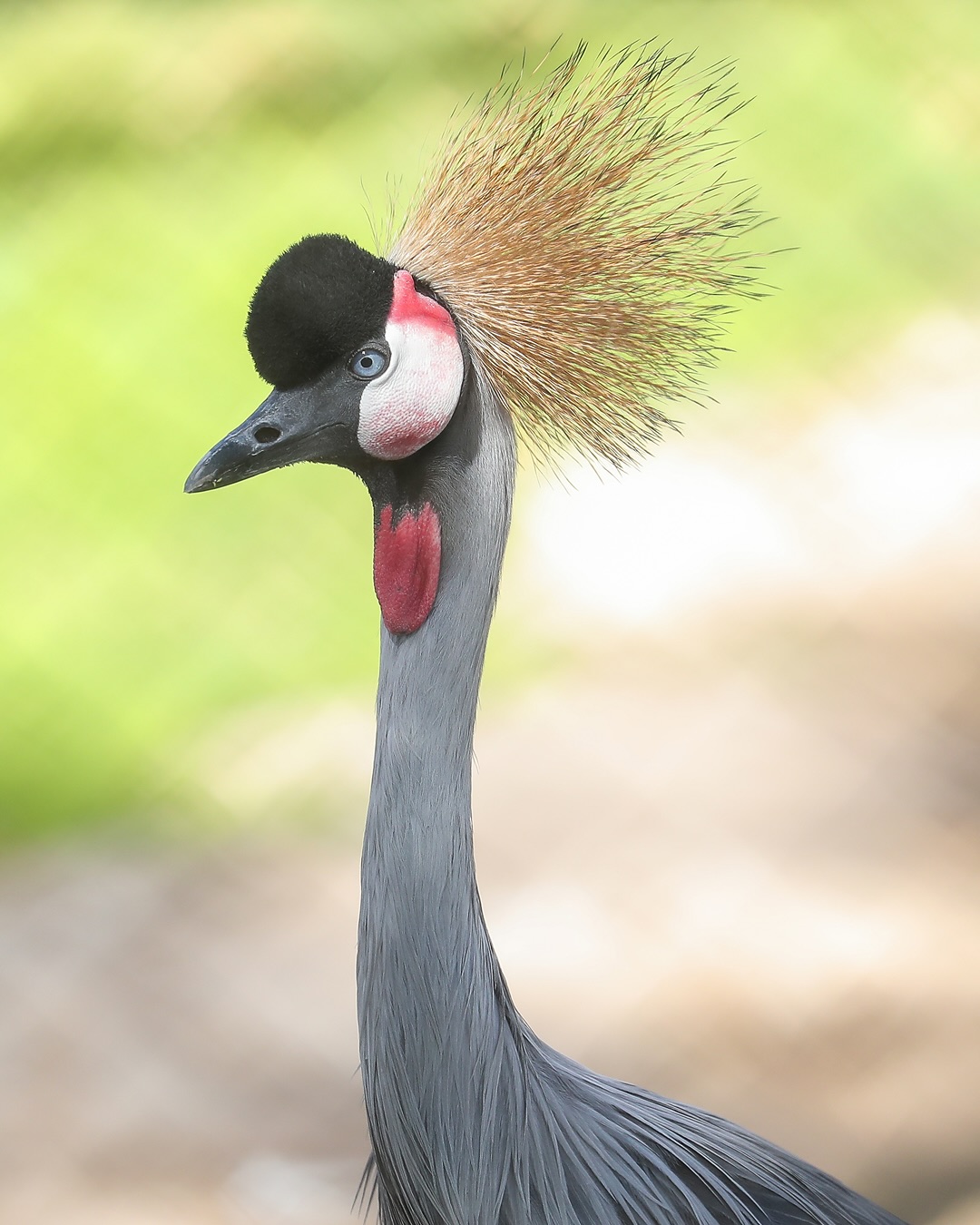
- The significance of summer hairstyles for birds and their adaptation mechanisms.
- The biological role of feathers in thermoregulation and social signaling.
- Insights into the life cycle of birds during the summer season.
- Conservation practices related to bird habitats and their impact on feather health.
- The relationship between avian grooming behaviors and environmental changes.
The summer season brings a rejuvenating transformation for many birds, especially regarding their plumage. This phenomenon can be likened to a new hairstyle. The concept of طائرنا متباهياً بقصة شعره الجديدة serves to highlight how birds display their new feathers and adopt elegant looks in the warmer months. For certain species, this period represents a crucial opportunity to show off their vibrant feathers, which play significant roles in attracting mates and establishing territories.
Feathers, while seemingly a simple aspect of a bird’s biology, are multifunctional structures. They provide not only insulation and protection but also play an essential role in thermoregulation. When birds undergo molting, particularly in summer, they shed old feathers and grow new ones. This process is vital to maintaining proper body temperature. Warm weather also prompts birds to shift their behaviors, relying more on their plumage for cooling as they seek refreshing environments.
The molting process varies among species, shaping their physical appearance. For instance, many songbirds exhibit differences in plumage coloration during mating season. Males might develop brighter colors to attract females, a display of health and vitality. This display can also signify territory ownership, as brightly colored birds are often more formidable competitors. Summer hairstyles, or the revitalization of feathers, thus become a visual cue that carries important ecological implications.
During summer, avian life cycles also reach a peak. Nesting reaches its climax, with birds building nests and raising offspring. Most species will have their young by late summer, and this period is laden with activity. To provide for their chicks, adult birds need to forage efficiently. Therefore, the health of their feathers directly influences their feeding capabilities. Seriously damaged or old feathers can impede flight, making it harder to find food. Hence, keeping feathers in good condition is paramount for survival and reproduction.
Conservation measures play a critical role in ensuring the integrity of bird habitats. Urban development, agriculture, and climate change threaten the delicate ecosystems where birds thrive. Protecting these habitats must involve understanding how environmental changes affect feather health and overall well-being. For instance, deforestation can reduce the availability of nesting sites, impacting molting and grooming behaviors of local bird populations.
Further, grooming is an essential behavior for birds, not just for aesthetics but for health. Birds often engage in preening to keep their feathers clean and aligned, which is vital for flight efficiency. In a changing climate, where temperatures fluctuate and resources dwindle, grooming can also be affected. A bird with compromised feathers may find it difficult to regulate its body temperature and may expend more energy than needed.
By examining the relationship between grooming behaviors and environmental dynamics, researchers can gain insights into how birds adapt and survive amidst challenges. They assess not only the visible changes in plumage but also the underlying health factors that might influence a bird’s ability to thrive.
Finally, it’s essential to consider how all of these insights contribute to broader conservation efforts. Educating communities about the importance of preserving bird habitats can promote sustainability. Initiatives designed to protect migratory paths and nesting sites can significantly benefit local avian species. Understanding the role of feathers in a bird’s life cycles not only allows us to appreciate their beauty but also emphasizes their necessity as indicators of ecological health.
Through the lens of طائرنا متباهياً بقصة شعره الجديدة, we observe the intricate connections between avian aesthetics and biological science. By exploring feather health, molting patterns, grooming habits, and the impacts of environmental change, we gain a comprehensive view of bird physiology. This knowledge becomes pivotal for anyone invested in wildlife conservation and the sustainable future of our feathered friends.
*****
Source Description
طائرنا متباهياً بقصة شعره الجديدة✨
والطبيييعية تماماً دون أي حرارة 😌☝🏻
.
.
Summer Bangs🌞✨
Without blow-dry whatsoever 🤭
