
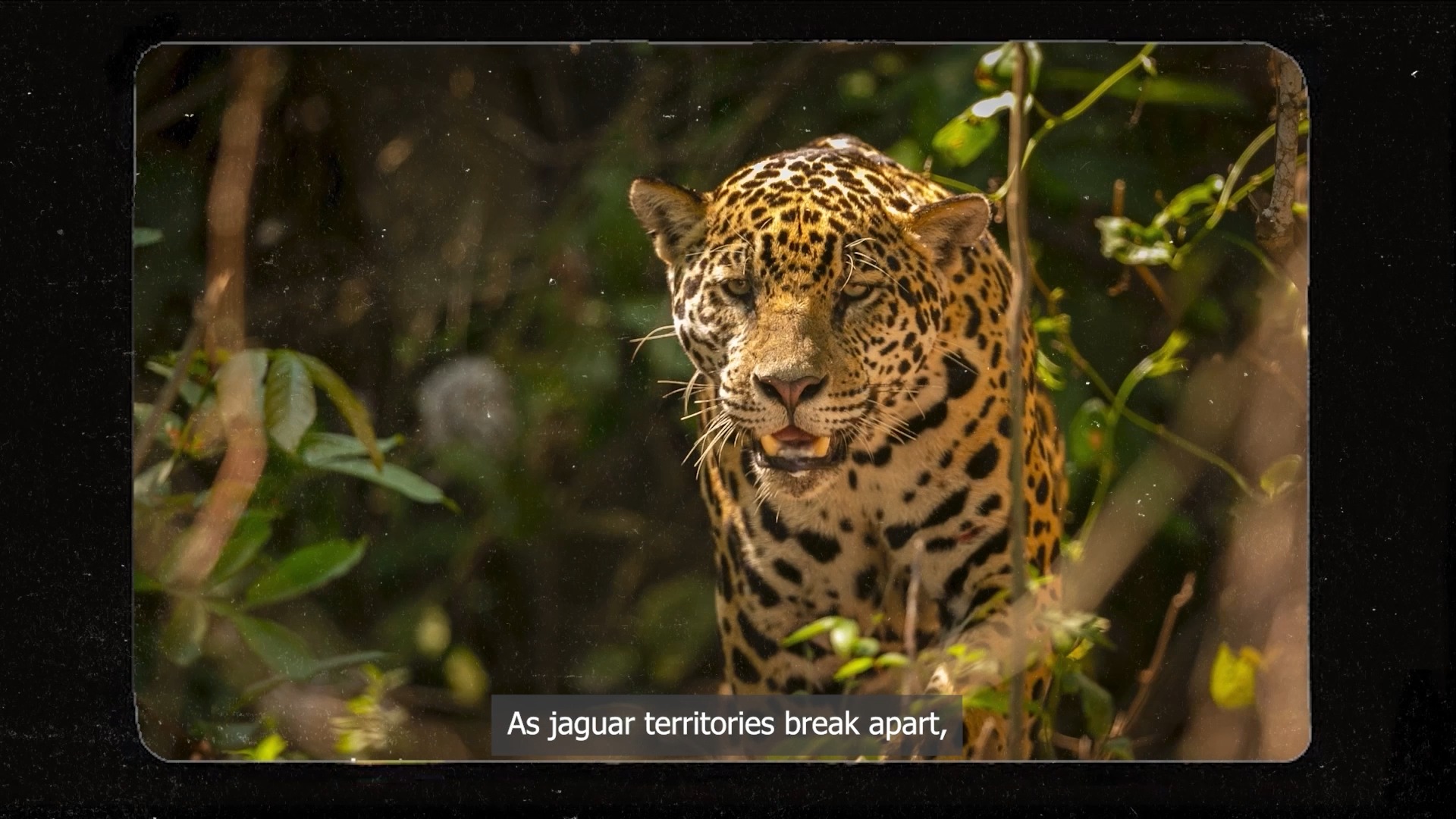
- Jaguars play a crucial role as apex predators in maintaining the balance of rainforest ecosystems.
- The impact of the climate crisis threatens their natural habitat and, consequently, their ecological function.
- Understanding the behavior and physiology of jaguars can illuminate their importance in biodiversity conservation.
- Effective conservation strategies are essential for the survival of jaguars and their habitats.
- The interconnection between jaguar conservation and human well-being underscores the importance of protecting these iconic animals.
Jaguars serve as vital apex predators in their native habitats, prominently found in the forests and wetlands of Central and South America. Their presence is a key indicator of ecological health. As the largest cats in the Americas, jaguars play a pivotal role in regulating the populations of other species, thereby maintaining a balanced ecosystem. This ecological dynamic enables a variety of plant and animal species to thrive, forming a natural web of life that includes everything from the smallest insects to towering trees.
These majestic creatures depend on intact habitats to fulfill their role effectively. Jaguars typically inhabit dense forests, savannas, and wetlands, where they exert top-down control over other populations. Without apex predators like jaguars, prey species can experience unchecked population growth, which can lead to overgrazing, vegetation loss, and subsequent erosion. This impacts not only the jaguar but also the diversity of flora and fauna within the ecosystem.
However, the ecology of jaguars is increasingly threatened by the climate crisis. Rising temperatures, deforestation, and habitat fragmentation compromise the dense forests they inhabit, limiting their ability to hunt and reproduce. Climate change also alters their prey availability, as species adapt or move to different habitats, disrupting traditional food webs. These threats endanger not just jaguar populations but the entire ecosystem they help sustain.
Jaguars possess unique adaptations that support their role as apex predators. Their muscular bodies, powerful jaws, and specialized teeth allow them to take down large prey, such as capybaras, deer, and even caimans. Moreover, their spotted coats provide excellent camouflage within the dappled light of their forest habitats, enhancing their hunting prowess. Running at speeds up to 50 miles per hour in short bursts, jaguars exhibit both strength and agility, making them formidable hunters.
Understanding jaguar behavior is fundamental for conservation efforts. These cats are generally solitary, marking their territory with scent markings and vocalizations. Their elusive nature poses challenges for researchers and conservationists, necessitating innovative tracking methods, such as camera traps and GPS collars. Studying their movement patterns and social structures provides critical data that can guide effective conservation interventions.
Effective conservation strategies are imperative for preserving jaguars and their ecosystems. Protected areas, such as national parks and wildlife reserves, serve as safe havens for these animals, allowing for natural behaviors to thrive. However, these areas must be large enough and connected to other habitats to accommodate the wide-ranging movement of jaguars. Efforts must also include restoring degraded habitats and enhancing wildlife corridors to facilitate safe passage between fragmented landscapes.
Community engagement plays a vital role in conservation success. Local populations can benefit from the economic opportunities that arise from ecotourism focused on jaguar watching. This not only fosters appreciation for these icons of the wild but also creates a financial incentive for the protection of their habitats. Educational initiatives can raise awareness and promote coexistence among local communities, highlighting that a healthy jaguar population contributes to overall environmental health.
Jaguars serve as keystone species, and their decline would have cascading effects on biodiversity. Ecosystems dependent on jaguars can experience shifts that may lead to unbalanced populations of various species. This, in turn, affects ecosystem services that humans rely on, such as carbon sequestration, water purification, and soil fertility. By safeguarding jaguars, we are simultaneously protecting a wide array of species and beneficial environmental functions.
The impacts of climate change extend beyond the immediate threats faced by jaguars. The degradation of rainforest ecosystems is linked to global climate shifts, which ultimately affect agriculture, water quality, and overall public health in affected regions. For example, deforestation not only drives jaguars towards extinction but also releases carbon trapped in trees, exacerbating climate change. This dynamic reinforces the connection between wildlife conservation and human welfare.
Advocacy is essential to bring governmental and institutional attention to the plight of jaguars and the overarching issue of climate change. By supporting policies aimed at reducing emissions and promoting sustainable land use, stakeholders can make meaningful strides in conserving jaguars and their habitats. Collaboration among governments, NGOs, and local populations can foster comprehensive strategies that address both immediate and long-term challenges in conservation.
In summary, jaguars are vital components of rainforest ecosystems, serving as apex predators that help maintain balance and biodiversity. The threats posed by the climate crisis jeopardize their functionality and, by extension, the health of ecosystems they inhabit. Understanding the behavior, physiology, and ecological importance of jaguars enhances our appreciation for their role in nature. As climate change continues to disrupt ecological balance, proactive conservation efforts become crucial. The interconnections between jaguar conservation and human well-being emphasize the need for a collective approach to protect not only these majestic animals but also the ecosystems upon which we all depend.
*****
Source Description
Jaguars are more than icons of the wild. They’re top predators, keeping rainforest ecosystems in balance. However, the climate crisis is disrupting that role.
What does that mean for us? Watch the full video in our bio link.
