
- 2025: A Year of Transformative Habitat Openings
- Innovative Conservation Strategies
- Community Engagement in Wildlife Preservation
- The Science of Habitat Restoration
- Looking Ahead: The Future of Conservation in 2026
2025 emerged as a pivotal year marked by the opening of new habitats across various ecosystems, each one offering a glimpse into the future of wildlife conservation. These initiatives were not just about providing space for animals; they also represented a shift in how communities and scientists view and interact with nature. They were multi-faceted approaches that combined ecological research, community involvement, and innovative ideas.
The year began with the debut of several expansive wildlife habitats. These spaces were designed to replicate natural environments as closely as possible, facilitating the growth of thriving ecosystems. For example, plans in places like Arizona aimed to provide safe havens for species affected by climate change and urban expansion. Facilities included vast enclosures tailored to mimic the animals’ natural habitats, encouraging natural behaviors that would not typically manifest in traditional zoo settings.
In these new habitats, a variety of species found a refuge. Conservationists focused on endangered species—like the California condor and the Florida panther—utilizing the fortified spaces to foster breeding programs. These habitats were equipped with amenities that catered to the physical needs of the animals and allowed for cognitive enrichment. Natural vegetation, streams, and geographically appropriate elements were integrated into the design to encourage instincts crucial for the survival of the species.
Innovative strategies to enhance conservation played a vital role in 2025. Wildlife preservationists embraced technology and science more than ever. This included the use of drones for monitoring animal populations, software for genetic mapping, and AI to analyze behavioral patterns. One notable project involved tracking migratory routes of species like monarch butterflies, which face increasing threats from habitat destruction. By understanding how and when these animals travel, intervention efforts could be more precisely timed and executed. This approach highlighted the need for adaptive management, an essential practice wherein strategies evolve based on the latest scientific findings.
Community engagement became a cornerstone of conservation efforts in 2025. The realization that local citizens are essential to preserving wildlife shaped initiatives. Local workshops and educational programs were conducted in schools and community centers, aiming to foster a sense of responsibility towards nature among younger generations. People learned skills such as how to plant native species and create wildlife corridors in their own backyards. These workshops significantly contributed to habitat expansion and restoration, as individuals began to understand their role in these initiatives.
One significant outcome from this community-centric approach was the increase in citizen scientist programs. Residents participated in data collection, helping to gather crucial information about local wildlife. This crowd-sourced data provided conservationists with insights that enhanced ongoing efforts to monitor and protect endangered species. For example, local volunteers tracked the nesting habits of shorebirds, enabling timely interventions to safeguard breeding sites. The engagement of everyday individuals brought not only better data but also increased public awareness about local wildlife issues.
The science of habitat restoration saw groundbreaking advancements. Ecologists drew on the latest research to ensure that newly created habitats were sustainable over the long term. Restoration efforts were not just focused on adding trees or greenery. They involved complex strategies designed to restore the balance between flora and fauna. Soil health became a priority, with practices such as using native plants that enhance the soil’s ability to supplement local wildlife populations.
Moreover, partnerships emerged between scientists, governmental bodies, and corporations, each contributing expertise and resources. These alliances resulted in projects aimed at restoring critical habitats such as wetlands and grasslands. For instance, an initiative in the Mississippi River Delta combined local governments and NGOs to restore habitats vital for migratory birds that rely on the region during their seasonal journeys.
In addition to technological advancements and community involvement, key policy changes played a crucial role in habitat preservation in 2025. Global agreements were renewed to improve protections for wildlife habitats, and national parks received funding for sustainable development projects. The push for conservation at all governmental levels showcased the recognition that habitat loss directly impacts biodiversity and human wellbeing. By prioritizing wildlife conservation in ecological discussions, nations acknowledged their responsibility toward the planet’s future.
Looking ahead, 2026 holds promises of further advancements in wildlife conservation. The priorities established in 2025, including the successful blend of technology and community-centric strategies, will serve as a foundation for ongoing efforts. As the urgency of climate change demands immediate action, innovations in habitat preservation will be essential.
Future initiatives will likely explore new areas of biodiversity that have been overlooked. For instance, creating habitats for less charismatic species could expand the focus of conservationists beyond the ‘big five’ species that typically gain most attention. Lesser-known animals play crucial ecological roles; reinforcing their populations can contribute to healthy ecosystems overall.
Global collaboration is expected to accelerate, bringing together local knowledge and academic research. This collective effort aims to tackle challenges like poaching and habitat fragmentation, ensuring long-term sustainability in wildlife preservation.
As we anticipate the future of conservation, the events of 2025 demonstrate that opening new habitats and saving existing ones is a comprehensive process requiring community involvement, scientific research, and innovative thinking. Each initiative lays the groundwork for more extensive programs and sustainable practices in the years to come. For the wildlife that we aim to protect, the collaborative efforts of individuals, communities, and organizations serve as a beacon of hope for future generations. The path forged in 2025 sets the stage for exciting prospects in 2026 and beyond.
*****
Source Description
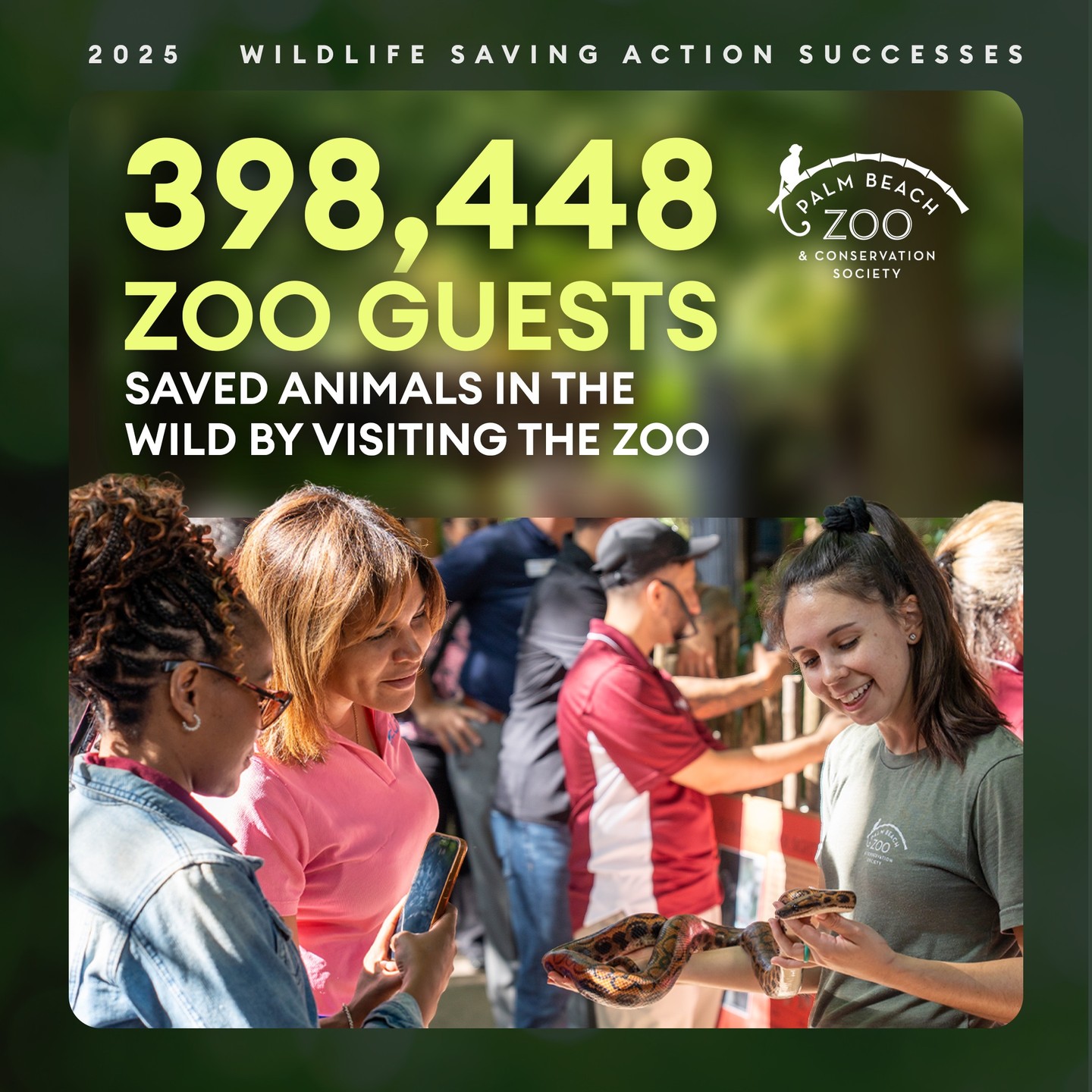
2025 was a year full of opening new habitats and saving wild ones 🎊
Thank you for being with us every step of the way. We have even more to look forward to in 2026, and we know you’ll be there for it!
