
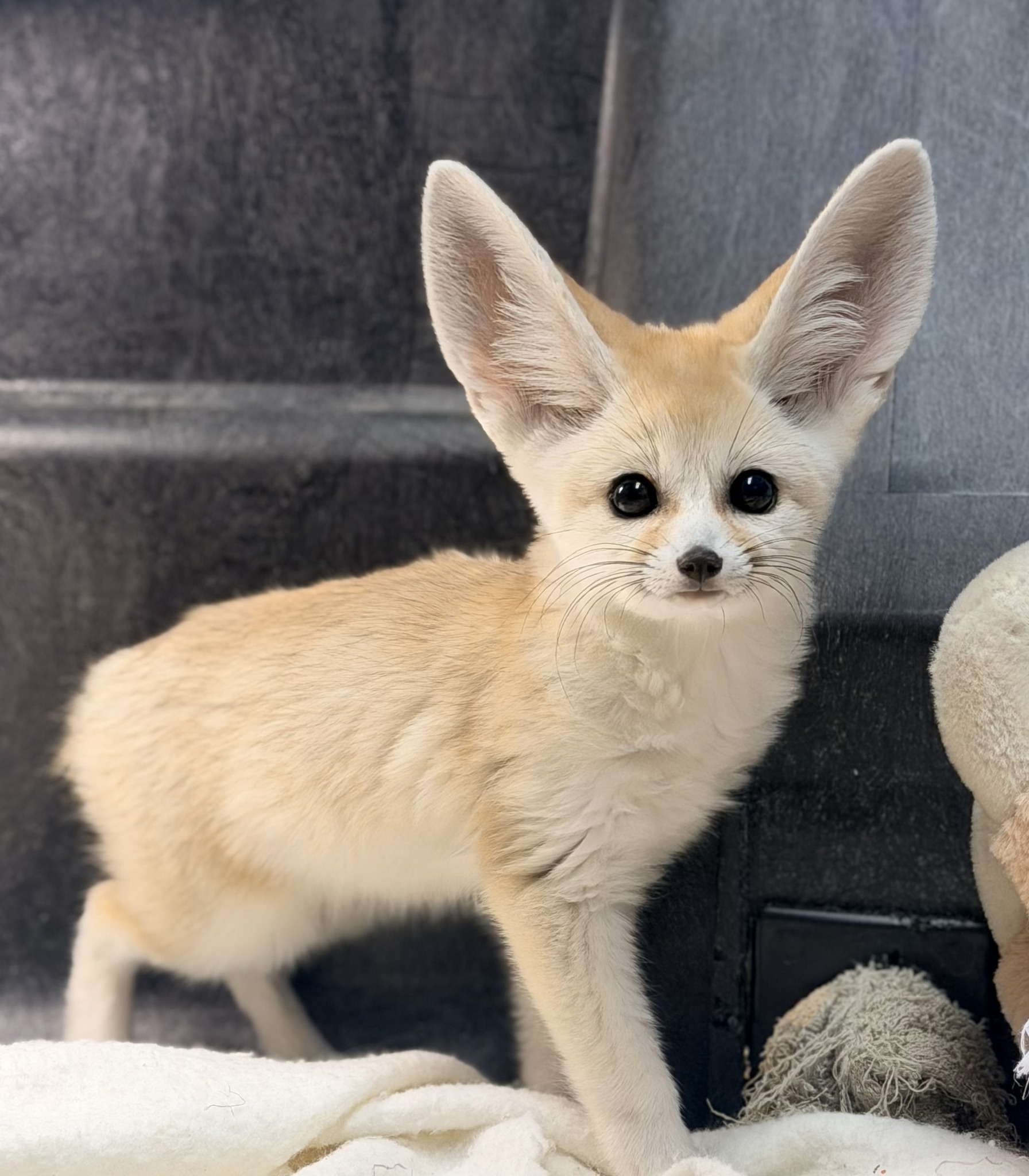
- Overview of Fennec Foxes: Habitat and Characteristics
- Importance of Naming in Animal Conservation
- Care and Adaptation of Baby Fennec Foxes
- Role of J.R. Fox Jewelers in Supporting Wildlife
- Educational Initiatives and the Learning Center
Fennec foxes are a captivating species known for their large ears, sandy coat, and playful behavior. Native to the arid regions of North Africa, these small mammals thrive in desert environments. Their long ears not only enhance their hearing ability but also help regulate body temperature. Fennec foxes are social animals, often found in family groups, and they exhibit fascinating behavior that includes digging extensive burrows to escape the desert heat.
Naming individual animals can hold significant meaning, particularly in conservation efforts. When we introduce names such as Sonny, Lucy, and Jewel, we give our fennec fox kits an identity that resonates with those who support their wellbeing. Named after the parents of the J.R. Fox Jewelers owners, Sonny and Lucy symbolize the connection between wildlife and human stewardship. Jewel, who resides with her parents in the Learning Center, carries a name that reflects her charm. This naming process fosters emotional ties between guests and the animals, enhancing the educational experience while promoting awareness of their conservation.
The care and upbringing of baby fennec foxes like Sonny, Lucy, and Jewel are critical. These kits require specialized feeding and socialization to thrive. Initially, Sonny and Lucy receive extra attention behind the scenes, which is essential for their development. Hand-rearing techniques, including temperature management and proper nutrition, play a crucial role in their growth. Unlike their wild counterparts that fend for themselves shortly after birth, captive kits benefit from human intervention to ensure their health and proper behavioral patterns. In the learning phase, these young fennec foxes will gradually adapt to social interactions that prepare them for their future roles in a public exhibit.
Support from organizations such as J.R. Fox Jewelers is invaluable. Their contributions help sustain conservation programs and provide resources for the care of these animals. As long-time advocates for fennec foxes, they exemplify corporate responsibility in wildlife preservation. Initiatives like fundraisers and awareness campaigns not only raise money but also educate the public on the importance of biodiversity. This type of partnership showcases how businesses can contribute to important conservation efforts, providing tangible benefits for wildlife.
Education plays a pivotal role in advancing wildlife conservation. The Learning Center aims to inspire visitors through interactive exhibits and informative presentations. Jewel’s presence in the center allows guests to connect with a fennec fox in a way that fosters curiosity about their natural history and ecological importance. The center hosts engaging programs that detail the life cycle of fennec foxes and explain their role in desert ecosystems. Informal educational opportunities like these can instill a sense of responsibility towards wildlife, motivating individuals to advocate for conservation efforts.
By telling the story of fennec foxes, including the journey of Sonny, Lucy, and Jewel, we shine a light on broader conservation issues. Fennec foxes face threats such as habitat destruction and the illegal pet trade. Raising awareness about their plight is essential to garner support for protective measures. Creating educational initiatives combined with engaging stories can mobilize communities to participate in conservation actions.
The naming and care of animals like fennec fox kits represent more than simple acts of affection. Each name carries a deeper implication tied to conservation ideals. Sonny, Lucy, and Jewel are not just animals on display; they embody the importance of species preservation. As we continue to develop programs that include animal care, public education, and community engagement, we can foster a culture that values coexistence with wildlife. The benefits of this approach extend beyond the walls of facilities, impacting biodiversity on a global scale.
Fostering connections between visitors and animals through names encourages lifelong supporters of conservation. Engagement allows for broader conversations—conversations that lead to better understanding and enhanced commitment to wildlife preservation. As the story of Sonny, Lucy, and Jewel circulates, it plants the seed for future supporters of fennec foxes and other endangered species.
In summary, Sonny, Lucy, and Jewel represent more than fennec fox kits. They symbolize a partnership between wildlife advocacy and community involvement. Their journey emphasizes the vital connection we have with the environment and highlights the role each individual can play in conservation movements. Through education, care, and unwavering support from businesses like J.R. Fox Jewelers, a path emerges that offers hope for not just fennec foxes but entire ecosystems. By spreading awareness about these incredible animals, conservationists can inspire others—auspiciously paving the way for brighter futures for wildlife everywhere.
*****
Source Description
We have some great news to end 2025 with! Meet Sonny, Lucy, and Jewel! Our fennec fox kits have names now, thanks to longtime fennec fox supporter, @jrfoxjewelers!
Sonny and Lucy, who live behind the scenes while they get some extra care, are named after the parents of the J.R. Fox Jewelers owners. Jewel, who lives with her parents in the Learning Center, has a pretty self-explanatory name, and we think it’s perfect for her!
