
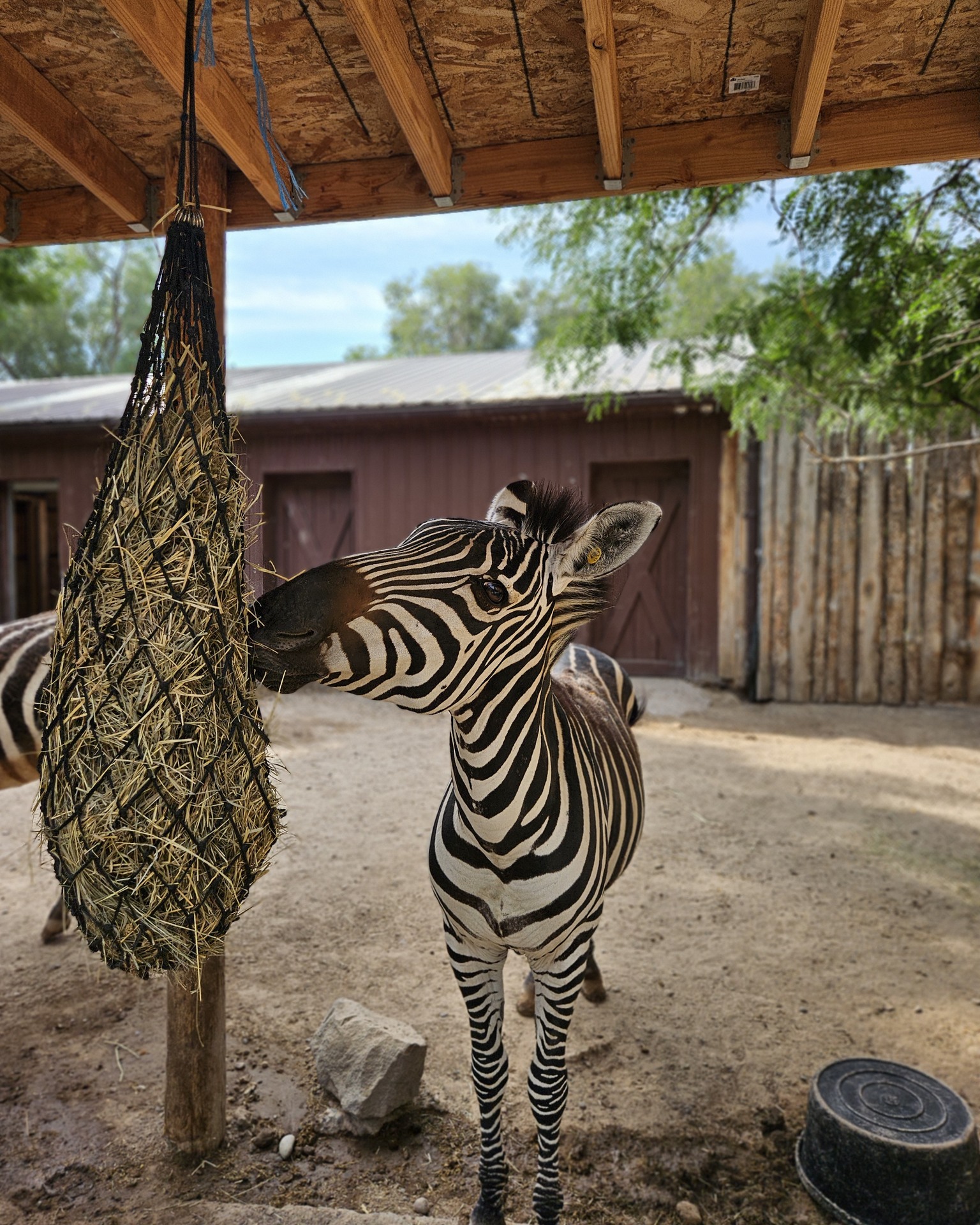
- The nutritional importance of hay for various species.
- The significance of physical fitness and agility in animal behavior.
- Social interactions in wildlife and avoiding unwanted attention.
- Strategies for wildlife conservation and management.
- The relevance of New Year’s resolutions in animal care and zoo settings.
The nutritional importance of hay for various species revolves around the dietary needs of herbivorous animals. Hay is a grass or legume that has been cut, dried, and stored for consumption during periods when fresh forage is not available. For many animals, particularly in captivity, hay serves as a fundamental component of their diets. For example, zebras and other equines rely heavily on hay for fiber, necessary for healthy digestion.
Grass hay contains important nutrients like crude protein, fiber, vitamins, and minerals. For herbivores, fiber is critical for maintaining a healthy gut, promoting gut motility, and preventing colic, which can be life-threatening. Moreover, hay provides essential vitamins such as Vitamin A, which is vital for maintaining good eyesight and immune function.
Selecting appropriate types of hay is essential. Timothy hay is commonly used for rabbits, while alfalfa is richer in protein and better suited for growing animals. Understanding the dietary preferences and needs of various species enables better nutrition management in captive settings, improving their overall health and longevity.
The significance of physical fitness and agility in animal behavior cannot be underestimated. Wild animals rely on their speed and endurance to escape predators, find food, and establish territory. Enhanced physical fitness results in better survival rates in natural environments and is crucial for captive animals as well.
In a zoo or conservation setting, promoting physical fitness can involve various enrichment activities. These can range from providing climbing structures to setting up obstacle courses that encourage animals to run and jump. For species like cheetahs, agility and speed are paramount; the fastest land animal uses a combination of speed and quick turns to catch prey.
Regular exercise is often adjusted based on the species and individual animal needs. Additionally, observing animals engaging in physical activity can offer insights into their health, behavior, and social interactions, allowing zookeepers to tailor care plans effectively.
Social interactions in wildlife play a major role in avoiding unwanted attention and can be observed in various species. For example, flamingos often engage in synchronized movements and social postures as a form of communication. Understanding social hierarchies and dynamics is essential for reducing stress among animals. In species that experience social pressure, like flamingos, keeping them in larger social groups can minimize awkward stares or perceived confrontations.
Avoiding awkward social situations can be beneficial for the well-being of animals. Training programs focusing on socialization techniques can help captive animals adapt to human interactions and avoid behavioral issues associated with stress and anxiety.
Strategies for wildlife conservation and management have become increasingly necessary as natural habitats face pressures from urbanization and climate change. The role of zoos in conservation has evolved from mere exhibition to an essential part of global conservation efforts.
Zoos and wildlife parks often engage in captive breeding programs, particularly for endangered species. These initiatives aim to boost population numbers and genetic diversity, making reintroduction into the wild a viable option. Collaborative efforts like the Species Survival Plan (SSP) help manage breeding among various institutions to safeguard genetic diversity.
Public engagement is crucial for wildlife conservation. Educational programs and interactive activities can raise awareness about the importance of protecting habitats and species. Engaging the community means they are more likely to support conservation efforts financially or through volunteer work, which can be beneficial for the animals housed within zoos.
The relevance of New Year’s resolutions in animal care and zoo settings is an interesting topic. Just as individuals aim to set goals to improve their lives, zoos can establish specific targets to enhance animal welfare. For example, setting a goal to provide more enriching environments for animals can lead to better mental and physical health.
Establishing clear objectives allows zookeepers to implement changes systematically. This could include improving habitats, developing more enriched spaces, and planning educational outreach. By setting measurable, realistic goals, animals receive enhanced care, benefiting both their welfare and the overall mission of the institution.
The interplay between these ideas—dietary needs, physical activity, social structures, conservation strategies, and goal setting—can serve as a framework for better understanding animal management in captivity as well as in the wild. By focusing on tailored approaches that suit the specific needs of various species, measures can be put in place to ensure they thrive.
Education goes hand-in-hand with these goals. By teaching visitors about the nutritional needs of animals, the importance of fitness, and the value of social interactions, zoos can foster a deeper appreciation for wildlife. Knowledge about the necessity of conservation efforts can inspire them to take action in their own lives.
In looking at the goals of eating more hay, running faster, and avoiding awkward flamingo stares, it becomes evident that wildlife management encompasses a vast array of species-specific needs and concerns. Establishing clear resolutions can lead to significant improvements in animal care practices.
As New Year’s resolutions encourage individuals to reflect and improve, zoos can utilize this concept to foster an environment conducive to animal well-being. Engaging in continuous monitoring, review, and adaptation, zoos can respond effectively to the evolving needs of the animals within their care.
Incorporating the above points into day-to-day operations ensures a dynamic approach to wildlife management. This not only benefits individual animals but also contributes to broader conservation efforts. While setting practical goals might seem simplistic, its implications for animal welfare and management are profound.
Such steps create an environment that is enriching for animals and educational for visitors, enhancing their understanding of wildlife conservation. Acknowledging the complex interplay between dietary needs, physical fitness, social behaviors, conservation tactics, and resolution-setting can lead to more informed, empathetic animal care and a more engaged public.
In the grand scheme, these seemingly whimsical goals for 2026—eating more hay, running faster, and avoiding awkward flamingo stares—can ultimately serve as an engaging way to discuss important aspects of animal management, health, and conservation. Through focused resolution-setting, zoos can evolve to meet the needs of wildlife today and in the future, ensuring that animals are not just surviving but thriving in the environments provided for them.
*****
Source Description
🦓 2026 Goals: Eat more hay. Run faster. Avoid awkward flamingo stares.
🐧 What’s YOUR New Year’s resolution?
