
Summary of A purr-fect new addition! Woodland Park Zoo celebrates the birth of African lions:
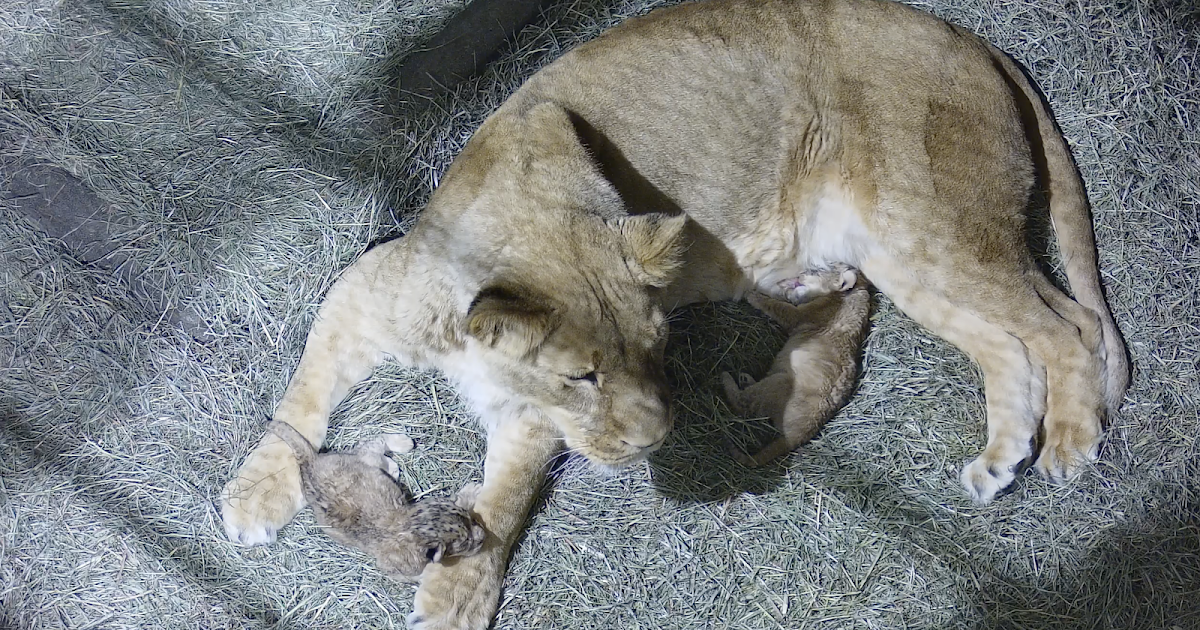
Woodland Park Zoo celebrates the birth of two female South African lion cubs, marking the first lion birth at the zoo since 2014. The cubs were born on January 14 to first-time parents, Ilanga and Tandie, and are currently bonding in a quiet maternity den. The zoo’s staff is closely monitoring the family, and the cubs, weighing between 2.2 to 3.5 pounds at birth, will undergo regular health check-ups. This birth is significant as it represents the third generation of lions at the zoo, tracing back to their grandfather, Xerxes, who passed away in 2022. The cubs will remain off public display until they are older and able to venture outdoors safely. The zoo is also active in conservation efforts for wild lions through partnerships aimed at increasing lion populations amid threats from habitat loss and human conflict.
- Woodland Park Zoo’s pride in their latest lion cubs highlights species conservation.
- The significance of lion births for zoo lineage and genetic diversity.
- The ongoing conservation challenges faced by African lions.
- The role of zoos in wildlife education and community engagement.
- The importance of supporting programs that aid lion conservation in the wild.
Woodland Park Zoo is celebrating a significant milestone with the birth of two female South African lions, marking the first time since 2014 that the zoo has welcomed lion cubs. These cubs, born to first-time parents Ilanga and Tandie, play an essential role in maintaining genetic diversity within the species. Their arrival has sparked excitement not just for the zoo but for wildlife conservation efforts as a whole.
Lion cubs typically weigh between 2.2 to 3.5 pounds at birth. Born in a private den away from public view, the cubs begin their lives blind, opening their eyes within a week or two. This maternity setting is vital for the cubs’ initial development and bonding with their mother, Ilanga. The separation of the father at this stage allows for a less stressful environment, essential for a first-time mother and her newborns.
The birth of these cubs is particularly important for Woodland Park Zoo. Each lion plays a role in the lineage of the zoo’s breeding program, particularly since they represent the third generation of lions born at this facility. The father, Tandie, is the son of Xerxes, a lion who lived at the zoo until his passing in 2022. As noted by Martin Ramirez, Curator of Mammalogy, births like these contribute significantly to the Lion Species Survival Plan (SSP) gene pool, which aims to increase genetic health and diversity among captive lion populations.
In the wild, African lions face pressing conservation challenges. Conservationists estimate that only about 23,000 to 39,000 African lions remain. Factors such as habitat loss due to human expansion, illegal hunting, and retaliatory killings contribute to their vulnerable status. These challenges necessitate concerted efforts from both zoos and conservation programs. Woodland Park Zoo collaborates with the Association of Zoos & Aquariums’ African Lion SAFE (Saving Animals From Extinction) program. This partnership supports on-the-ground efforts to safeguard lion habitats and promote coexistence with human populations.
Zoos play a pivotal role in educating the public about wildlife conservation. Woodland Park Zoo takes this responsibility seriously by not only showcasing these lions but also engaging community members in discussions about conservation and the issues affecting wild populations. Visiting the zoo contributes directly to these efforts, as a portion of ticket sales helps fund conservation initiatives. Additionally, the ZooParent Adoption Program allows individuals to adopt lions, providing another avenue for community involvement in supporting wildlife programs.
Monitoring the health of the cubs is crucial in their early development. Zoo veterinarians conduct regular health assessments to ensure proper growth, weight, and overall well-being. These check-ups include vaccinations and blood sampling. As the cubs grow older and develop sturdy mobility skills, they will eventually be introduced to outdoor habitats—provided temperatures are conducive for their comfort.
The bond between Ilanga and her cubs is expected to flourish as time passes. Animal care staff are closely watching for signs of normal behavior and important developmental milestones. Social interactions among young lions are essential for learning crucial life skills, influencing future behaviors in a natural setting.
South African lions, scientifically known as Panthera leo krugeri, are integral to the biodiversity of their ecosystems. Their habitat ranges across the Southern Sahara to South Africa, favoring grassy plains, savannas, and open woodlands. In addition to their ecological significance, lions hold cultural importance in various societies, often symbolizing strength and bravery.
The challenge faced by these magnificent creatures provides lessons in both ecology and conservation. Increased human encroachment is a significant threat, leading to habitat fragmentation and conflict over resources. This issue is compounded by illegal hunting practices, which not only diminish lion populations but also disrupt the ecological balance within their habitats. As human populations grow, the need for integrative approaches to conservation becomes more pressing.
Woodland Park Zoo’s lion births are more than just a local event; they represent a broader narrative of hope and renewal within ongoing global conservation efforts. Each new life offers an opportunity for education and awareness, emphasizing the importance of preserving this species for generations to come.
In light of enduring challenges, partnerships between zoos and conservation organizations are vital. Engaging communities in conservation education fosters a sense of responsibility that can lead to more proactive efforts in wildlife preservation. By promoting awareness of the plight of the African lion, institutions can inspire action that may lead to substantial change.
As the Woodland Park Zoo family welcomes these cubs, it serves as a reminder of the importance of wildlife conservation and species survival. The story behind the cubs encourages people to reflect on their role in the ecological network and their impact on wildlife.
Awareness efforts like public talks, educational programs, and special events continue to gain traction as zoos integrate conservation into their missions. Through outreach initiatives that emphasize the interconnectedness of ecosystems, visitors can become advocates for the lions they admire and the habitats they occupy.
Supporters of lion conservation can make a meaningful impact simply by visiting the zoo. Contributions made through ticket purchases and special programs directly fuel initiatives focused on habitat protection and animal welfare. Every visit represents a small step towards a larger goal, fostering sustainable landscapes for lions and other wildlife.
As the lion cubs mature, their story will extend beyond Woodland Park Zoo. They will be part of a legacy aimed at revitalizing wild populations, enhancing genetic diversity, and fostering coexistence between humans and wildlife. This is crucial for the survival of lions, ensuring a future where these iconic creatures can thrive in their natural environments.
The geographic range, behavior, and social structure of African lions make them captivating subjects for study. They are social animals that live in prides, typically consisting of related females, their offspring, and a coalition of males that may include brothers or cousins. This social dynamic is important for their hunting strategies and reproductive success.
As the cubs grow, they will learn crucial social skills from their mother, which are essential for survival in the wild. The learning process includes understanding hunting techniques and hierarchical dynamics within a pride—all of which contribute to their ability to thrive when eventually reintroduced into safe environments.
The collaborative efforts between zoos, conservationists, and local communities form a multifaceted approach to tackling the challenges faced by these majestic animals. Ongoing monitoring, habitat restoration, and legal support to protect lion populations are imperative to ensure that future generations can experience the majesty of African lions in their natural habitats.
Overall, the excitement surrounding the birth of the cubs is a testament to the dedicated efforts of animal care teams and conservationists. Their commitment to nurturing and protecting wildlife embodies the mission of zoos to educate and inspire others to participate in wildlife preservation. Each step taken today strengthens the foundations for a more secure future for African lions and many other species facing similar challenges in the world.
