
- Overview of the grey seal’s biology and habitat
- Importance of grey seals in the ecosystem
- Challenges facing grey seal populations
- Conservation efforts and their effectiveness
- Engagement and education surrounding grey seal conservation
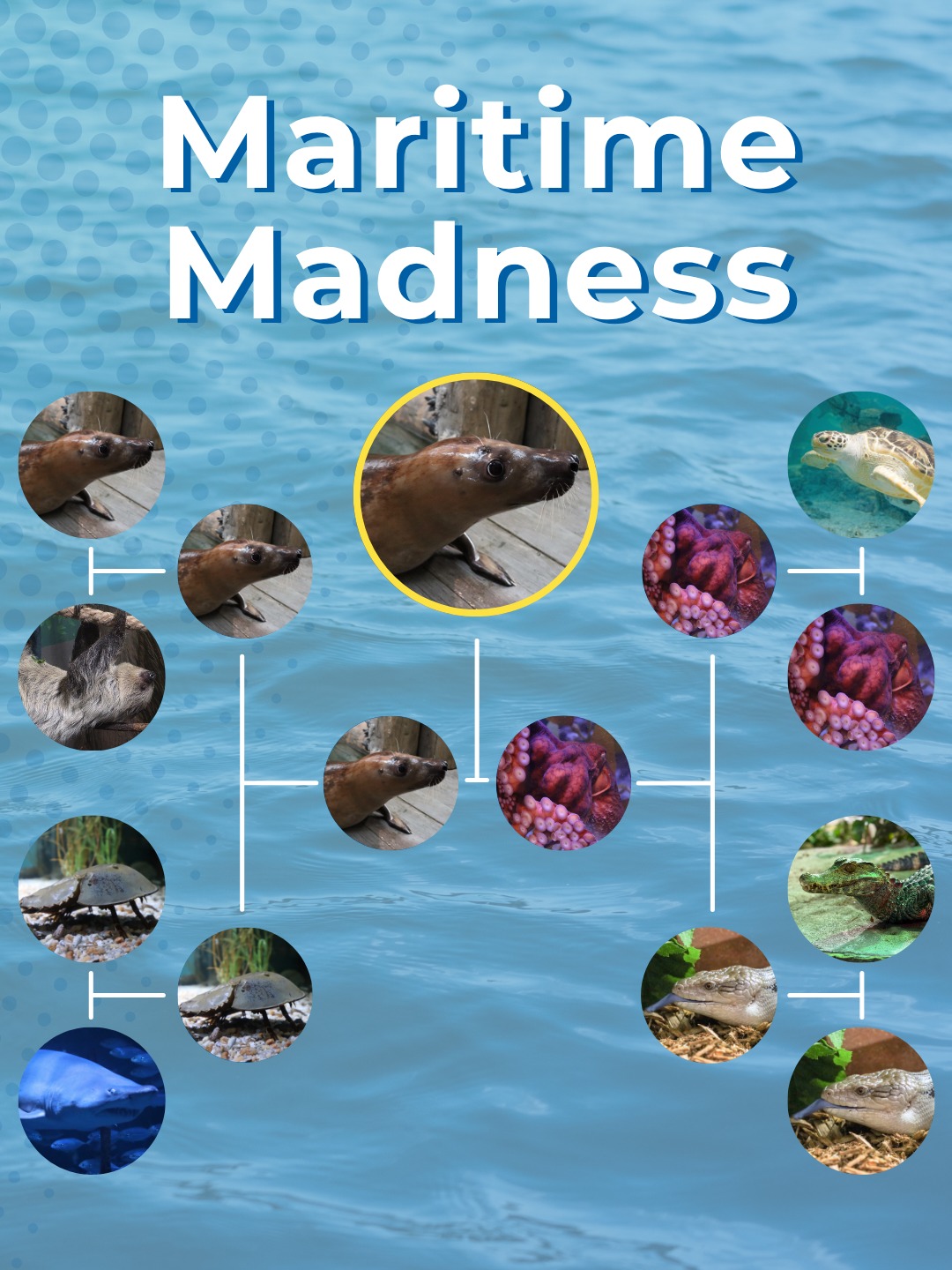
The grey seal (Halichoerus grypus) has captured the hearts of many, particularly after its impressive victory in the recent Maritime Madness competition. This species, known for its striking appearance and fascinating behaviors, plays a significant role in marine ecosystems. Understanding its biology, ecological significance, and the conservation challenges it faces is essential for promoting awareness and protection.
The biological makeup of the grey seal is a fascinating subject. This species can grow up to 10 feet long and weigh as much as 880 pounds, making it one of the largest seals in the North Atlantic. Males are notably larger than females, showcasing sexual dimorphism. Grey seals possess a robust body covered in a thick layer of blubber, which provides insulation against cold ocean waters. Their fur is typically characterized by a mix of grey and brown hues, with some individuals displaying distinctive spots or patterns.
Grey seals are found primarily along the coasts of the North Atlantic, including regions of Canada, the United Kingdom, and northern Europe. They prefer sandy beaches or rocky shores for breeding and resting. Their breeding season, which occurs from September to December, sees females giving birth to a single pup after a gestation period of about 11 months. The pups are born with a thick layer of white fur, which they shed within weeks to reveal a darker coat more suited to life in the water.
The ecological role of grey seals is vital. As opportunistic feeders, they predominantly consume fish but also eat crustaceans and other marine organisms. Their feeding habits help maintain balance within marine ecosystems. By preying on certain fish species, grey seals can influence fish populations and, in turn, affect the health of kelp forests and other underwater habitats. This interdependence highlights the importance of grey seals in regulating not only their prey populations but also the wider marine food web.
Despite their ecological importance, grey seals face several challenges. Their populations, once in decline due to hunting and habitat disturbance, have begun to recover. Nevertheless, they still encounter threats from environmental changes, fisheries bycatch, and pollution. Climate change, in particular, alters sea temperatures and food availability, impacting seal behavior and distribution. Additionally, entanglement in fishing gear can lead to injury or death.
Conservation efforts aimed at protecting grey seals have gained momentum in recent years. Various organizations and government agencies have focused on habitat protection, stricter regulations on fishing practices, and public education initiatives. These actions have contributed to the increased populations seen today. For instance, the Marine Mammal Protection Act in the United States helps safeguard seal populations by prohibiting hunting and regulating human interactions.
Public engagement is also a crucial component in the conservation of grey seals. Educational programs focusing on marine conservation raise awareness of the significance of seals within ecosystems. These initiatives include community outreach, informational workshops, and interactive experiences at zoos and aquariums. By encouraging the public to participate in conservation efforts, organizations can foster a sense of stewardship and responsibility towards marine wildlife.
In summary, the grey seal’s journey to becoming the champion of Maritime Madness is a testament not just to public admiration but also to the critical role these creatures play in marine life. Understanding their biology, ecological significance, and the challenges they face can enhance our appreciation for these remarkable animals. Active participation in conservation and education efforts can facilitate a brighter future for grey seals and the marine ecosystems they inhabit. Encouraging such engagement is essential for fostering a collective responsibility for protecting wildlife. Given the ongoing threats that grey seals encounter, further emphasis on conservation practices is vital in securing their future in an ever-changing marine landscape.
*****
Source Description
It’s official! Leading with a landslide vote during the final round, your 2026 Maritime Madness winner is the grey seal 🏆
Thank you to all who participated! Did your animal pick win?
