
- Understanding animal play behavior and its significance
- The role of social interactions in animal well-being
- Challenges in habitat design for zoo animals
- The importance of species-specific enrichment activities
- Wildlife conservation and fostering natural behaviors
Animal play is an interesting aspect of zoology that has been the subject of various studies. Observing animals in playful scenarios provides insight into their social dynamics, developmental stages, and cognitive abilities. For instance, Missy’s joy in playing with her tube illustrates the diversity in play behaviors across species.
Play serves several functions in the animal kingdom. It aids in developing physical skills, and social relationships, and sharpening problem-solving capabilities. Missy’s enthusiasm for her tube can be seen as a form of physical play, which is crucial for animals to maintain agility and learn essential survival skills. This aspect of play not only entertains but also equips animals with necessary traits for adulthood, such as effective communication and conflict resolution techniques.
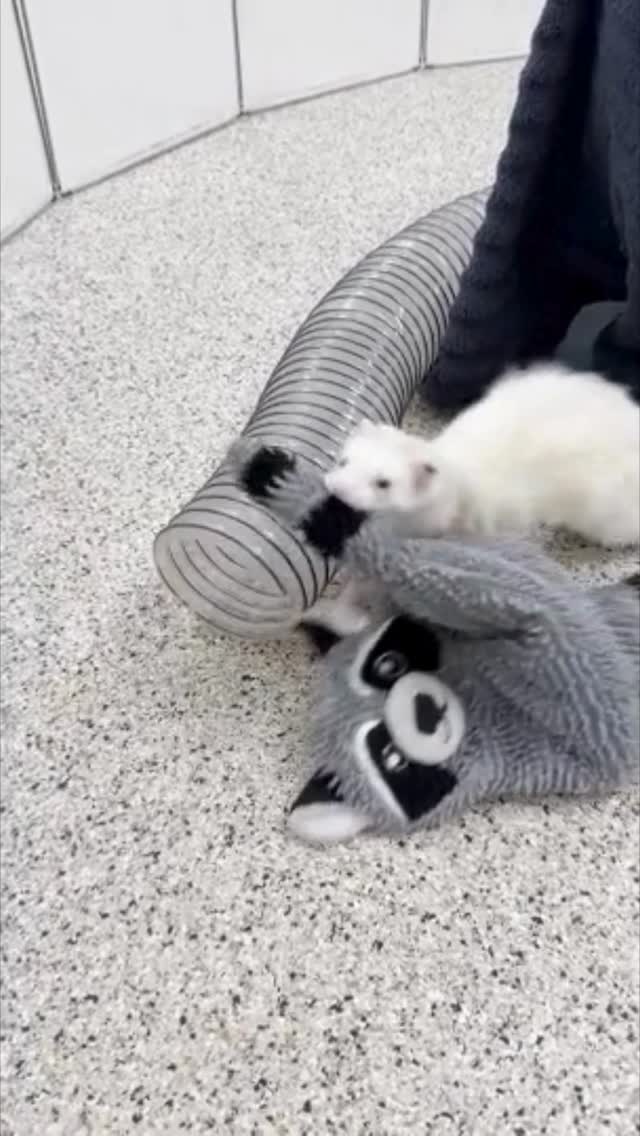
When examining social interactions, we see that play often involves various fellow animals. Unfortunately, Missy’s friend discovering she does not fit into her tube highlights common challenges in social play. In many species, particularly mammals and birds, interactions can vary based on size, strength, and interest levels among peers. Misalignment in play opportunities can create barriers to engagement, leading to stress or behavioral issues.
Zoo management must recognize these intricacies when developing habitats. Properly designed spaces should offer structures that accommodate multiple sizes and species. For example, the inclusion of varied climbing structures, tunnels, and resting areas ensures that all animals can engage in playful activities. It’s essential that every creature in the zoo has access to enrichment that is tailored to its needs, enabling social interactions that promote a healthy bond with its peers.
Enrichment activities are central to maintaining animal mental health. In zookeeping, enrichment means providing opportunities that stimulate natural behaviors. For Missy, her enjoyment of the tube represents an example of such an activity. However, when another animal can’t fit into the tube, it raises concerns about inclusive play. This situation indicates a necessity for diverse types of equipment in zoological settings, offering alternatives that cater to different species’ needs and sizes.
Providing a stimulating environment equipped for various play behaviors is essential in the context of conservation. Zoos hold a crucial responsibility as conservation centers. They engage with the public to showcase the importance of preserving habitats and species. Engaging play like Missy’s can educate visitors about animal behaviors and the impacts of habitat loss. Through understanding these behaviors, the public becomes more attuned to the necessities of wildlife conservation.
The design of zoo enclosures and the provision of enrichment are essential for fostering natural behaviors. In Missy’s case, her love for the tube can be linked back to her instinctual drive for exploration and novelty. Play often facilitates important survival skills, such as problem-solving and social bonding. By observing animals like Missy, zookeepers can adapt their strategies to ensure that they are meeting the evolving needs of their animals comprehensively.
Moreover, play behavior can be observed not only in young animals but also in adults, serving different purposes throughout an animal’s life cycle. Adult animals may engage in play to foster social bonds or relieve stress. This dynamic highlights the universal importance of play across ages and species, as well as the necessity of creating environments that allow for its expression.
Animal interactions reveal a spectrum of social complexity that can also influence overall population dynamics. Challenges like those faced in Missy’s interaction can indicate potential issues related to group cohesion. Zookeepers must actively monitor these interactions to maintain healthy group dynamics. Providing ample space and varied social opportunities is critical for long-term well-being.
Different species exhibit varying degrees of playfulness. While some animals, like Missy, display a strong inclination toward interactive play with objects, others demonstrate their playful nature through social engagement. Understanding these differences paves the way for more effective management strategies in zoological settings. Enrichment programs can be tailored based on observations of natural behaviors in each species, ensuring that every animal receives adequate stimulation.
In summary, the behavioral dynamic evident in Missy and the tube exemplifies the broader themes surrounding animal play, social interactions, and habitat design within zoos. By prioritizing play and socialization in animal care, zoos can pave the way for effective wildlife conservation and public education initiatives. The lessons learned from observing animals like Missy contribute to a deeper understanding of animal welfare and conservation efforts across the globe.
As research continues to evolve, zookeepers and conservationists are better equipped to foster environments that support the natural instincts and behaviors of diverse species. In a world increasingly focused on conservation and environmental stewardship, recognizing the significance of play and socialization remains a vital element in the conversation surrounding wildlife protection and habitat preservation.
*****
Source Description
Missy loves to play in her tube!
Unfortunately, her friend doesn’t fit 😭 😂
