
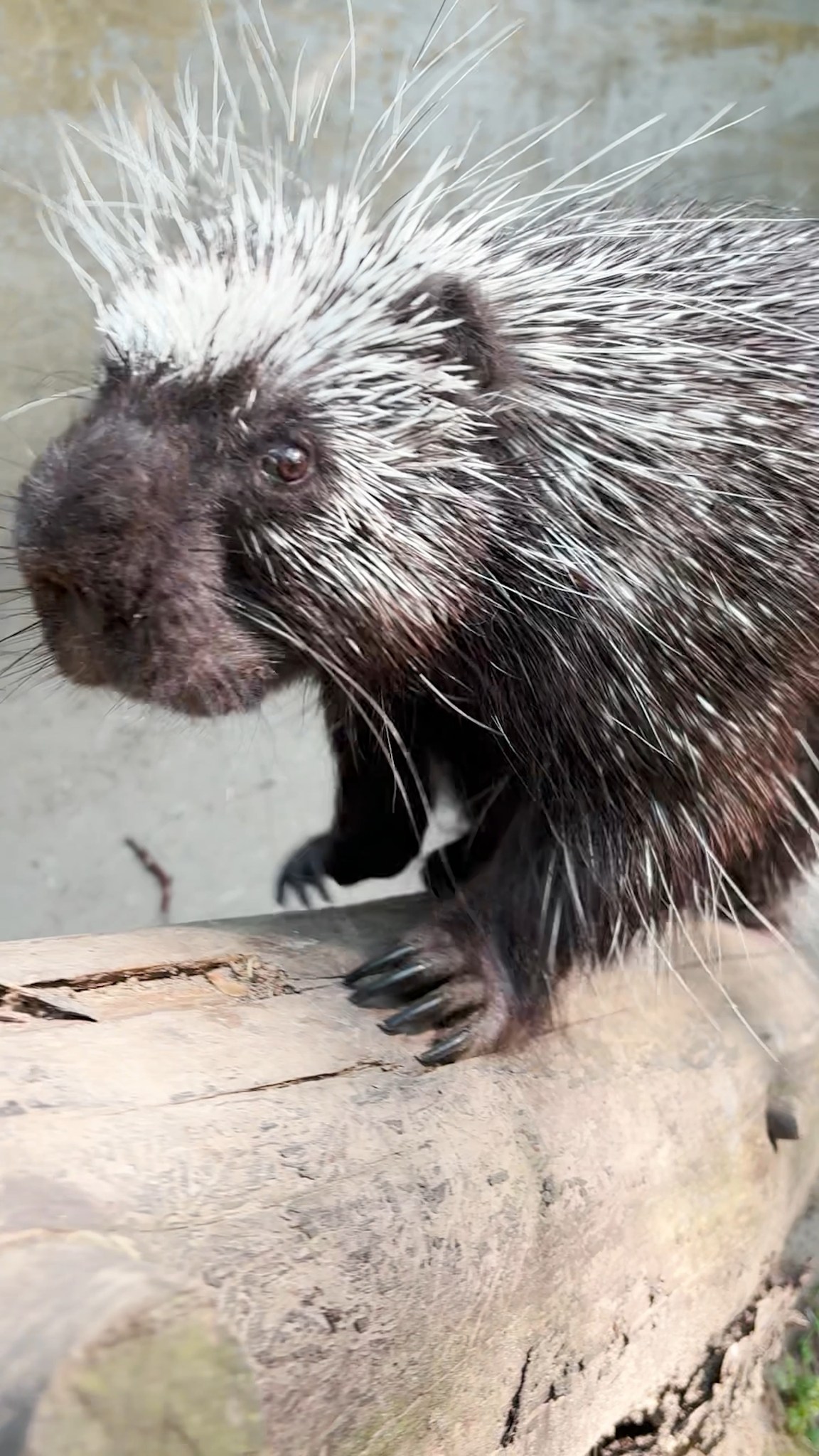
- The biological significance of porcupine quills and their defensive mechanisms
- Poppy’s diet and the impact of peanuts on porcupine health
- Behavioral patterns of North American porcupines
- Conservation efforts and challenges faced by porcupines
- Engaging with porcupines and educational opportunities at zoos
Porcupines are fascinating creatures, and Poppy, our North American porcupine, serves as a prime example of their unique characteristics. With an impressive arsenal of approximately 30,000 quills, porcupines display an extraordinary form of defense. Understanding the biology of these quills explains not just how porcupines protect themselves, but also how they have adapted to their environments over time.
Porcupine quills are modified hairs, covered with a shingle-like structure that allows them to easily embed in predators. Each quill has tiny barbs that create a one-way entry mechanism, making removal painful for any potential threat. This defensive feature is critical; it allows porcupines to coexist with numerous predators, from domestic dogs to more significant threats like cougars. Interestingly, porcupines do not shoot their quills as often portrayed in popular media. Instead, they rely primarily on their ability to elevate their quills and present a spiky barrier.
In addition to their defense mechanisms, these quills play a role in mating rituals and social interactions among porcupines. During courtship, males display their quills to signal readiness and willingness to mate. This enables females to select mates based on their physical attributes, creating a natural selection process.
Shifting focus, Poppy has a well-known fondness for peanuts. This preference speaks to the dietary habits of North American porcupines, who are primarily herbivorous, consuming a variety of bark, leaves, fruits, and, yes, the occasional peanut. The consumption of peanuts offers Poppy not just nutritional value, but also an exceptional sensory experience. Peanuts are high in protein and healthy fats, essential for maintaining energy and body mass, particularly in colder months when food is scarce.
Despite their love for peanuts, porcupines have specific dietary restrictions that should be respected. Overconsumption of fatty foods can lead to health complications like obesity and other metabolic disorders. Consequently, Poppy’s peanut intake is carefully monitored, ensuring a balanced diet conducive to his health.
When considering the behavioral patterns of North American porcupines, one notes that they are primarily nocturnal creatures. This aspect of their lifestyle enables porcupines to avoid many predators while foraging for food at night. During daylight, they often retreat to trees or burrows, resting and conserving energy. Observing Poppy at night, during notable events like Summer Nights, showcases his more active side, interacting with both his environment and visitors.
Understanding porcupine behavior also requires examining their social structure. Typically, porcupines are solitary animals, although they might form temporary bonds during the breeding season. Their social interactions are largely non-verbal, relying instead on body language and quill elevation to communicate intentions or emotions. This evolutionary adaptation is vital for minimizing conflict since porcupines have few natural predators.
As we address porcupine conservation efforts, it becomes evident that multiple factors threaten their habitats. Urbanization, agriculture, and road construction contribute to habitat fragmentation, putting porcupines at risk. Furthermore, climate change alters vegetation patterns and food availability, directly impacting their survival. Conservation organizations work to educate the public, advocating for habitat preservation and the establishment of protective measures. Strategies focus on creating wildlife corridors that allow safe passage and movement between areas.
Education plays a critical role in conservation. Facilities like zoos engage visitors by offering informative programs about porcupines and their role in the ecosystem. By presenting information about the importance of preserving wildlife, zoos inspire broader environmental stewardship. Workshops, guided tours, and interactive exhibits provide visitors with insights into the lives of porcupines, enhancing appreciation and understanding.
Engaging with porcupines in a zoo setting presents a unique opportunity to observe their behavior while learning about their complex natures. Programs like the upcoming Summer Nights allow evening access when porcupines are most active. Such experiences foster a deeper connection to wildlife, encouraging attendees to participate in conservation efforts beyond their visit.
Finally, the future of porcupines hinges on continued conservation initiatives, education, and awareness. By understanding the biological significance of their quills, dietary habits, behavioral traits, and conservation needs, society can work collectively to protect these remarkable creatures. As we continue to learn from nature, we must also acknowledge our responsibility to ensure that wildlife like Poppy can thrive for generations to come.
Promoting awareness and engagement around porcupines can inspire positive change, fostering a world where both nature and humanity coexist harmoniously. Through dedicated education and concerted conservation efforts, the rich tapestry of wildlife will continue to flourish, presenting opportunities for future generations to discover and enjoy these magnificent animals.
*****
Source Description
30,000 quills and a serious love for peanuts 🥜🙃
Poppy, our North American porcupine, is spiky, snack-loving, and usually snoozing during the day. Want to see him when he’s most active? Join us for Summer Nights this Thursday and catch him in action! 🌗
Thank you to our presenting sponsor, @intellectualninjas.
Visit the link in bio for details and tickets.
