
- The critical role of pollinators in ecosystem health and food security
- An overview of different types of pollinators and their unique characteristics
- The significance of the Phoenix Zoo’s pollinator garden and related initiatives
- The challenges facing pollinators today and conservation efforts to address these issues
- Ways individuals can support pollinator populations in their communities
Pollinators serve a fundamental role in maintaining ecosystem health and sustaining food supplies. These creatures, including bees, butterflies, birds, and bats, contribute to the reproductive processes of approximately 75% of flowering plants globally. This figure underscores their importance in agriculture and biodiversity. Without pollinators, many crops would yield lower harvests, leading to food shortages and a decline in nutrition for both humans and wildlife.
Among the most notable pollinators are bees. Bees are not just vital for their function; they also exhibit fascinating social structures and behaviors. For example, honeybees live in colonies consisting of a queen, workers, and drones, each playing a distinct role. The array of native bees, such as bumblebees and solitary bees, showcases the diversity within this group. Wasps also contribute to pollination, often visiting flowers in search of nectar before returning to hunt down pest insects.
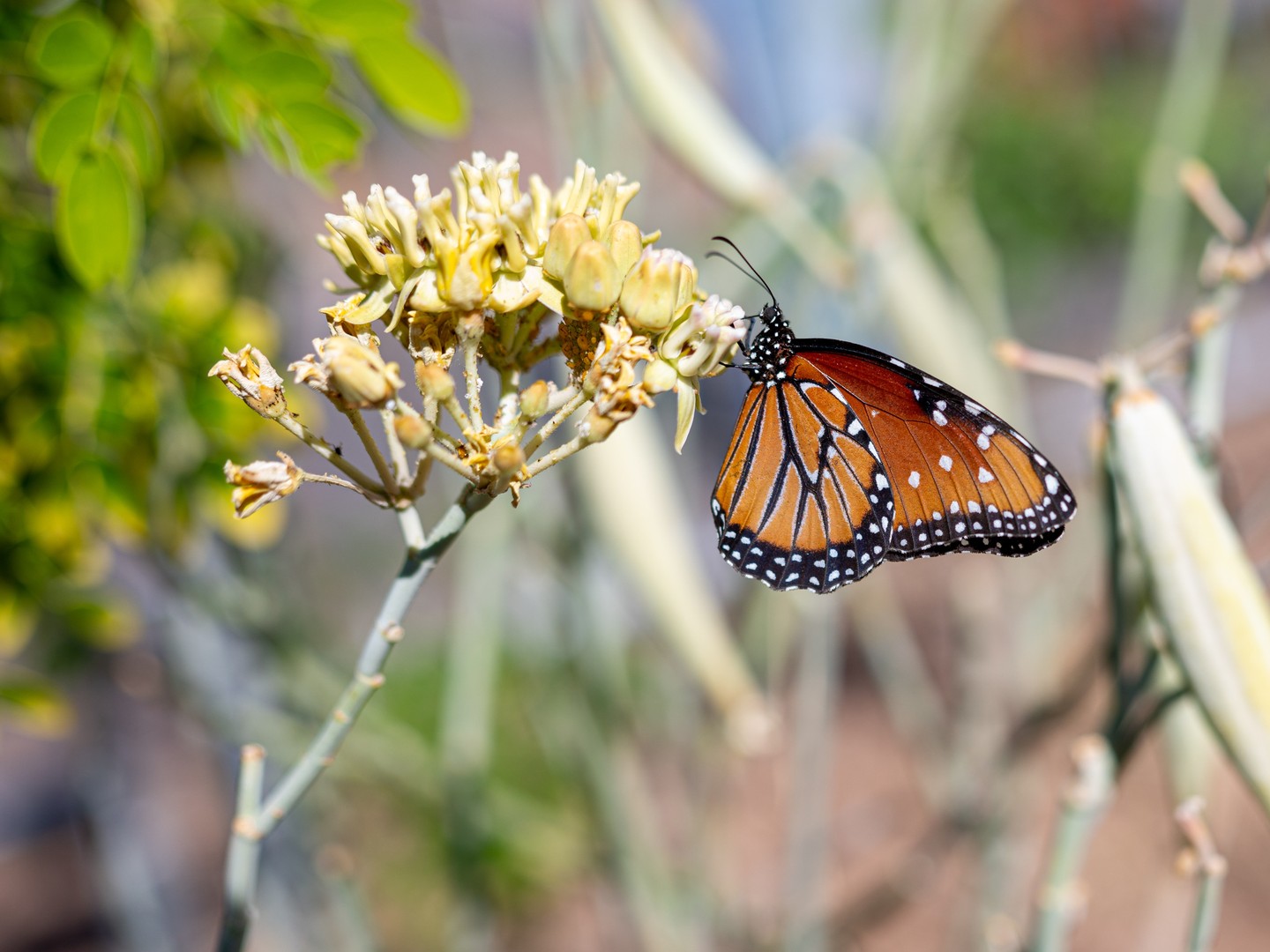
Butterflies, with their vibrant colors and unique life cycles, are another important pollinating group. These insects undergo metamorphosis, which includes distinct developmental stages: egg, larva (caterpillar), pupa (chrysalis), and adult. Butterflies are especially attracted to brightly colored flowers and specific nectar compositions. Hummingbirds and certain bats also serve as critical pollinators, showcasing the variety of species that contribute to this vital ecological function.
The Phoenix Zoo’s pollinator garden exemplifies a proactive approach to foster awareness and appreciation for these essential organisms. Recently revitalized by the Youth Advisory Council, the Trailblazers, along with the Zoo’s horticulture and operations teams, the garden offers an educational experience as well as a habitat for pollinators. This garden hosts a variety of pollinator-friendly plants, which not only support local ecosystems but also connect Zoovisitors with these integral species.
Situated on the Children’s Trail, the butterfly garden captivates guests with its vibrant flora. Species such as lavender, milkweed, and sunflowers attract various pollinators while providing a visual feast for visitors. These plants serve dual purposes: they nourish pollinators and educate the public about the importance of creating habitats that support them. Interactive components encourage guests to learn about butterflies’ lifecycle and behaviors, igniting curiosity among young and old alike.
Despite the invaluable services pollinators provide, they face significant challenges today. Habitat loss due to urbanization and agricultural expansion represents a primary threat. Pesticides and herbicides further exacerbate their decline, affecting populations of both wild and managed species. Climate change also alters the blooming periods of flowers, which can disrupt the synchrony between pollinators and their food sources.
Efforts to combat these issues are ongoing. Initiatives aimed at conservation include creating pollinator habitats in urban areas, implementing integrated pest management practices, and promoting organic farming. Organizations advocate for native plants in landscaping, as native flora is often better suited for local pollinator populations than non-native species.
In addition to institutional efforts, individuals can contribute to pollinator conservation in simple yet effective ways. Planting native flowers in gardens and yards can create essential habitats. Reducing pesticide use and supporting organic farming practices can protect pollinator health. Establishing community-based gardens can also foster collaboration and raise awareness about the role of pollinators.
Education plays a crucial role in encouraging conservation behavior. Programs like the one at Phoenix Zoo help instill appreciation for pollinators, equipping people with knowledge to take actionable steps in their lives. Awareness campaigns that discuss the significance of pollinators can prompt changes in consumer behavior and gardening practices.
The connection between pollinators and the produce we consume is undeniable. Whether it’s fruits, vegetables, or nuts, many of the foods that contribute to human diets hinge on these creatures’ efforts. The economic value of pollination services is immense, estimated in the billions of dollars annually. This economic relevance highlights the need for conservation efforts, as the decline of pollinators could lead to fluctuating food prices and increased scarcity.
The involvement of youth, as demonstrated by the Phoenix Zoo’s Youth Advisory Council, is vital for sustainable conservation efforts. By engaging young individuals in hands-on activities, they gain both knowledge and practical experience in environmental stewardship. This engagement fosters a sense of responsibility and connection to the natural world, paving the way for future generations to continue these efforts.
The intricate relationships between plants and their pollinators are a testament to the complex nature of ecosystems. Pollinators not only impact plant reproduction but also affect food webs that sustain a variety of species, including humans. A decline in pollinator populations could trigger cascading effects throughout ecosystems, highlighting the critical need for protection and support.
Utilizing technology for tracking pollinator populations presents another innovative conservation strategy. Data collected through citizen science initiatives can help scientists monitor changes in pollinator health and distribution. Such information assists in making informed decisions regarding land management and conservation approaches.
As we reaffirm our commitment to supporting pollinators and their habitats, fostering genuine connections and understanding between individuals and nature is essential. Engaging communities in pollinator-friendly practices enriches local biodiversity and promotes ecological resilience. The vibrant interactions within the pollinator garden at the Phoenix Zoo serve as a microcosm of what is possible when communities come together for a common goal: preserving the unsung heroes of nature that are so vital to our world.
*****
Source Description
Pollinators: the unsung hero of nature 🌸🌻
The Phoenix Zoo’s pollinator garden received a glow-up courtesy of our amazing Youth Advisory Council, the Trailblazers and the Zoo’s horticulture and operations teams. From building a new fence to planting pollinator-friendly plants, these teens helped create a vibrant haven for pollinators and guests alike.
The butterfly garden is located on the Children’s Trail, so make sure to stop and smell the flowers during your next visit 🤗
