
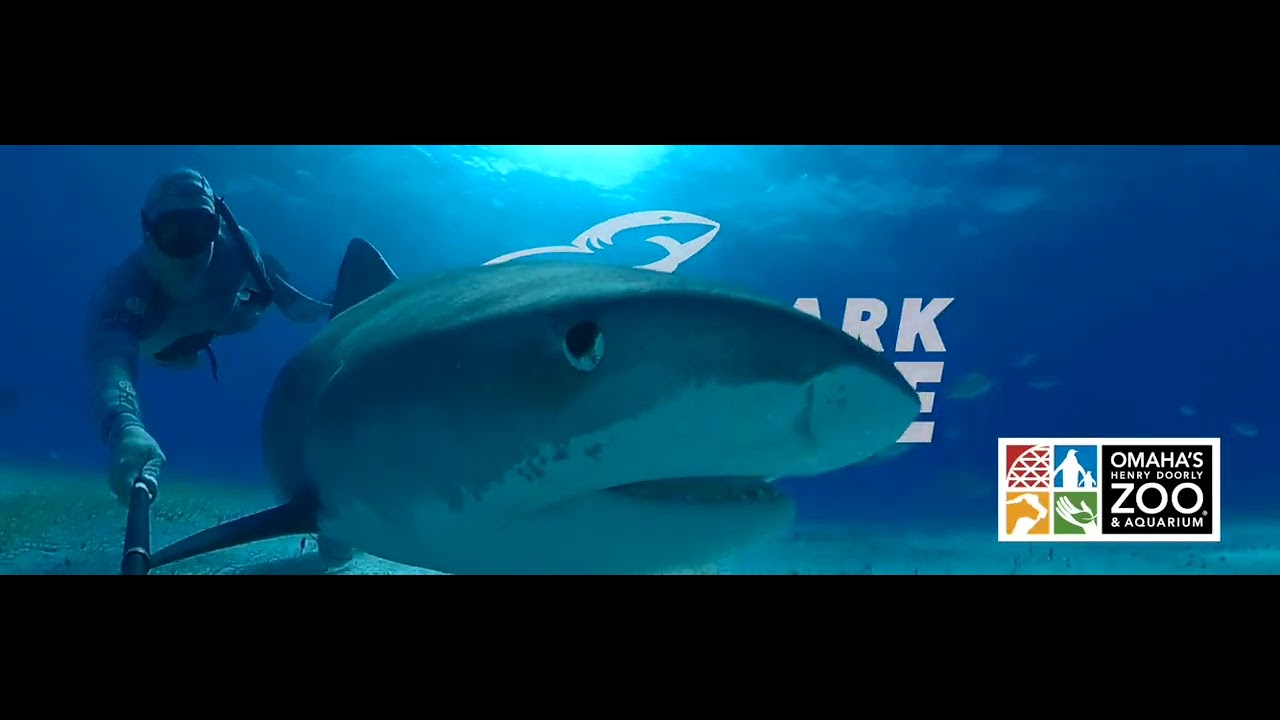
- Introduction to Wild Explorer: A 360° VR Adventure
- Technological Innovations and Applications in Zoology
- Conservation and Education Goals at Henry Doorly Zoo
- Impacts on Zoo Management and Visitor Experience
- Future Directions in Wildlife Conservation and Educational Outreach
Wild Explorer: A 360° VR Adventure at Omaha’s Henry Doorly Zoo & Aquarium represents a cutting-edge intersection of technology, education, and conservation. This innovative experience allows visitors to engage with wildlife through immersive virtual reality technology, offering an unparalleled perspective on our natural world.
This educational tool uses 360° VR to transport users into the habitats of various species. By leveraging advanced technology, the zoo offers a novel way to explore zoological environments, making wildlife viewing more exciting and accessible. The Wild Explorer serves as more than just an attraction; it provides an educational platform designed to raise awareness about conservation issues while showcasing the zoo’s commitment to wildlife preservation.
Henry Doorly Zoo & Aquarium has long been at the forefront of integrating technology within its educational programs. Through VR, visitors can observe animal behaviors and habitats that are typically inaccessible. This direct engagement fosters a deeper understanding of the complexities of ecosystems and biodiversity.
Technological Innovations and Applications in Zoology
VR technology has revolutionized how zoos interact with their audiences. By creating an immersive experience, Wild Explorer allows visitors to witness life from the animals’ perspectives. This technological leap greatly enhances the educational potential of zoological institutions.
The deployment of VR in zoos introduces a new dimension to wildlife observation. It allows for detailed insights into animal behaviors, often overlooked in traditional settings. For instance, users can virtually traverse rainforests or dive into coral reefs, exploring the intricacies of these environments. This experiential learning tool bridges the gap between physical zoo exhibits and the animals’ natural habitats.
VR also enables data collection on visitor interactions, offering valuable insights for zoo management. This data can inform future exhibit designs and improve educational content delivery. By understanding how users interact with virtual environments, zoos can refine their approaches to wildlife education and conservation messaging.
Conservation and Education Goals at Henry Doorly Zoo
The primary mission of the Wild Explorer program is to bolster conservation efforts through education. By immersing participants in the lives of endangered species, the VR experience fosters empathy and awareness. This emotional connection is vital in motivating individuals to support conservation initiatives.
Wild Explorer highlights critical conservation issues, such as habitat degradation and species endangerment. The program provides contextual information about the challenges faced by various species, aiming to inspire proactive conservation actions. This approach aligns with the zoo’s broader mission to educate the public about environmental sustainability and the importance of preserving biodiversity.
By highlighting lesser-known species and ecosystems, Wild Explorer broadens the scope of conventional zoo education. It emphasizes interconnectedness within ecosystems, illustrating how human actions impact wildlife. This understanding is crucial for fostering responsible stewardship of our planet’s resources.
Impacts on Zoo Management and Visitor Experience
Incorporating VR into zoo experiences marks a significant shift in visitor engagement. Wild Explorer offers a personalized journey, allowing individuals to explore at their own pace and engage with content areas that interest them. This flexibility enhances the overall visitor experience, catering to diverse learning preferences.
From a management perspective, VR reduces the need for large live animal exhibits, which can be economically and logistically challenging to maintain. By offering virtual experiences, zoos can allocate resources more efficiently while still achieving their educational objectives.
Moreover, the analytics derived from VR interactions provide actionable insights. Understanding how visitors navigate virtual content can help zoos tailor educational materials and improve visitor satisfaction. This data-centric approach ensures continuous refinement of educational strategies, maximizing the impact on public understanding and conservation support.
Future Directions in Wildlife Conservation and Educational Outreach
The success of Wild Explorer positions Henry Doorly Zoo as a leader in adopting innovative educational technologies. As virtual reality continues to evolve, it will likely play an increasingly vital role in wildlife conservation and education. By blending technology with environmental stewardship, zoos can reach wider audiences and engage people beyond geographical constraints.
Future developments may involve integrating augmented reality (AR) elements or creating interactive platforms for global virtual visitors. These advancements could further enhance experiential learning, allowing people worldwide to connect with conservation efforts.
This forward-thinking approach not only supports the present educational goals of zoos but also prepares them for future challenges in conservation. As environmental issues become more pressing, innovative tools like VR will be essential in galvanizing community support and fostering a global conservation ethic.
Wild Explorer: A 360° VR Adventure provides an innovative educational platform that harnesses the power of technology to promote wildlife conservation. By immersing visitors in the dynamic worlds of wildlife, it inspires a deeper appreciation for biodiversity and equips individuals with the knowledge needed to become active participants in conservation efforts.
*****
Source Description
Experience the wild like never before. Wild Explorer invites guests to dive into a fully immersive 360-degree 3D live-action virtual reality experiences guided by wildlife experts and powered by the latest in VR technology.
Guests will put on their goggles and find themselves trekking alongside gorillas, journeying through Africa’s great migration or swimming with sharks in crystal-clear waters.
#OmahaZoo #WildExplorer #VR #virtualreality
