
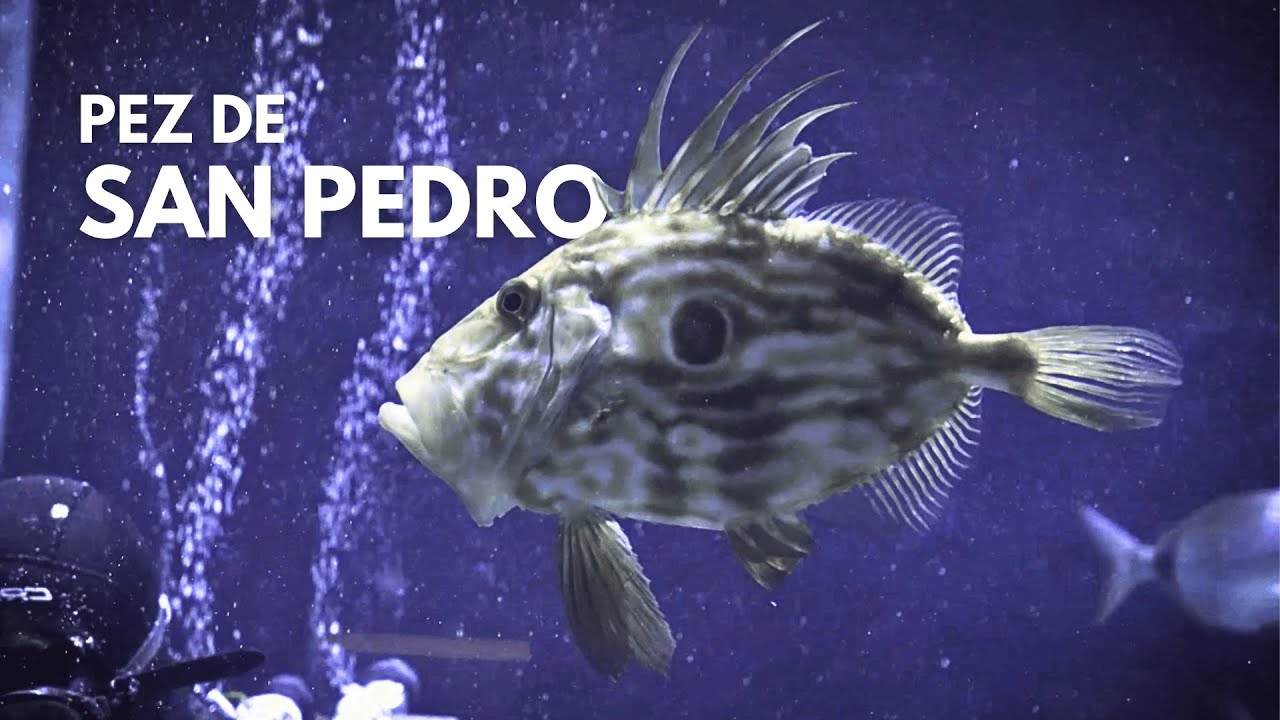
- Exploring marine biodiversity and conservation efforts in the Mediterranean.
- The impact of human activities on the marine ecosystem.
- The role of Mediterranean marine life in global biodiversity.
- Zoo management strategies for aquatic wildlife.
- The significance of public engagement and education in wildlife conservation.
Exploring marine biodiversity and conservation efforts in the Mediterranean involves understanding an intricate web of ecosystems that support rich marine life. The Mediterranean Sea, often considered one of the most biodiverse ecosystems globally, contains around 17,000 marine species. This aquatic richness is primarily due to its unique geographical position, acting as a bridge between three continents and several climates.
Biodiversity conservation in the Mediterranean is crucial. Human activities such as overfishing, pollution, and coastal development have led to the deterioration of habitats. Conservationists and researchers focus on creating marine protected areas (MPAs), which are vital in safeguarding critical habitats and species. These areas help curb over-exploitation and encourage sustainable practices. Educational campaigns also play a significant role in raising public awareness about the importance of marine conservation, inspiring individuals to contribute positively to preserving these ecosystems.
The impact of human activities on the marine ecosystem is profound. Industrial pollution, urban runoff, and plastic waste have significantly degraded water quality, affecting marine flora and fauna. The disruption caused by invasive species, introduced through ballast water from ships, further exacerbates the issue, often outcompeting native species and altering the ecological balance.
Overfishing remains a significant challenge. Many fish stocks in the Mediterranean are over-exploited, leading to a decline in fish populations and disrupting the food chain. This issue necessitates stringent policies and international cooperation to implement quota systems and promote sustainable fishing practices effectively. Collaborative efforts between governments, non-governmental organizations, and local communities are essential in creating actionable frameworks to mitigate human-induced impacts on the marine environment.
The role of Mediterranean marine life in global biodiversity is immense. The sea is a hotspot of endemism, hosting species found nowhere else on Earth. Marine organisms, from the smallest plankton to the largest whales, play crucial roles in global ecological cycles, including carbon sequestration and nutrient recycling. These functions underline the interconnectedness of marine ecosystems and global environmental health.
Species like the loggerhead sea turtle and the Mediterranean monk seal are not only iconic but serve as indicators of sea health. The decline or recovery of these species provides insights into broader ecological changes. Conservation programs focusing on these keystone species can thus have far-reaching benefits, supporting marine life diversity and stability.
Zoo management strategies for aquatic wildlife integrate both conservation and education. Modern aquariums, like those featured in ¡Buceamos con el equipo de Mediterráneo!, are designed not just as displays but as living laboratories for research and species preservation. These facilities employ advanced husbandry techniques to maintain optimal conditions for the animals, replicating their natural habitats as closely as possible.
Breeding programs are crucial for endangered species conservation. By maintaining genetic diversity and studying animal behaviors, zoos and aquariums contribute significant data to global conservation efforts. Partnerships with scientific institutions further enhance research opportunities, enabling a deeper understanding of species-specific needs and challenges.
The significance of public engagement and education in wildlife conservation cannot be overstated. Educational programs and interactive exhibits at aquariums and zoos serve as powerful tools to connect people with marine life. Engaging storytelling and immersive experiences foster a sense of stewardship, motivating visitors to adopt conservation-friendly practices in their daily lives.
Through outreach initiatives, these establishments inspire future generations of conservationists. By fostering a sense of curiosity and imparting knowledge about the importance of biodiversity, they equip individuals with the understanding needed to advocate for sustainable policies and practices.
In conclusion, the Mediterranean Sea offers a complex yet captivating ecosystem that underscores the importance of global conservation efforts. Through strategic management, comprehensive education, and international cooperation, we can work towards securing a thriving future for our oceans and the rich biodiversity they support.
*****
Source Description
🌊 Pablo y Sergio nos guían en una de sus rutinas diarias: alimentar a los peces de San Pedro. Descubre con ellos el origen de su nombre y la característica que más los distingue.
Y tú, ¿te atreverías a darle de comer? 👀
#Oceanogràfic #OceanogràficValencia
