
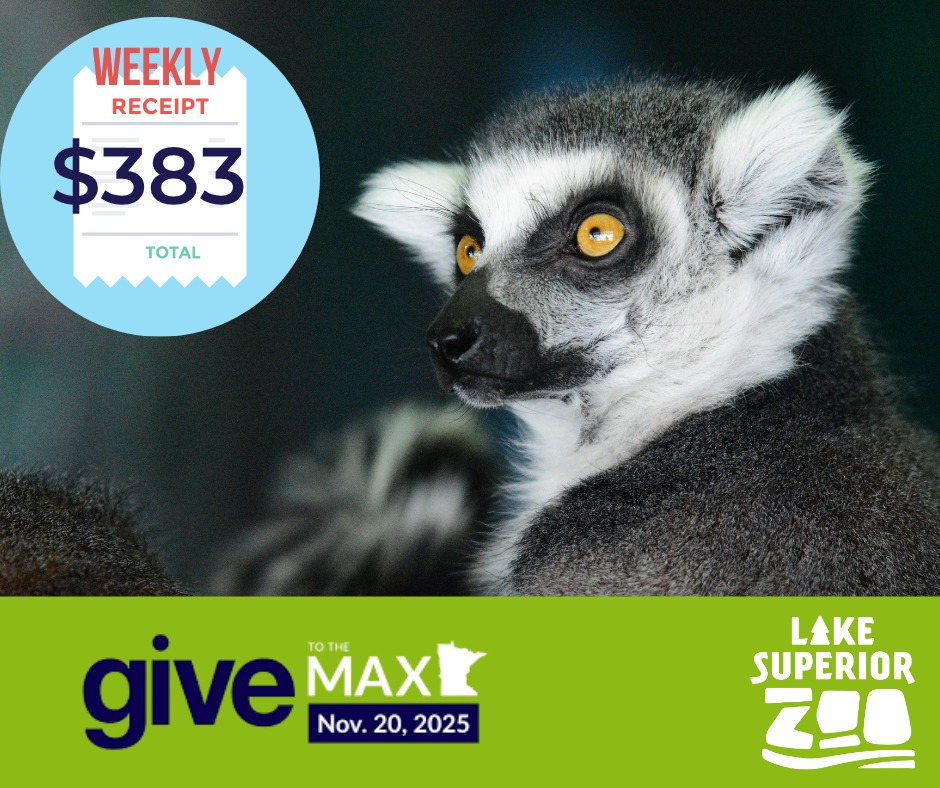
- The financial commitment required to care for ring-tailed lemurs.
- The components of a nutritional diet for lemurs and their preferences.
- The significance of environmental enrichment in lemur care.
- The role of donations in supporting animal care and conservation efforts.
- Opportunities for donor engagement and educational experiences.
Feeding ring-tailed lemurs costs about $383 weekly, highlighting the significant financial commitment involved in their care. This figure represents not just the price of food but also reflects the complex nutritional needs of these animals. Just like humans, they require a balanced diet, rich in various nutrients to thrive. Nutritional diversity is crucial for their health, making it essential to understand their needs thoroughly.
Spending on their diet involves a variety of specialized primate biscuits, which serve as a vital staple. These biscuits are not merely filler; they are formulated specifically for the nutritional requirements of lemurs, containing essential vitamins, minerals, and proteins. Unlike many mammals, lemurs have specific dietary needs due to their evolutionary adaptations. The food they consume relies heavily on the art of replication in captivity to mirror their natural foraging behaviors.
In addition to primate biscuits, fresh produce plays a critical role in their diet. Lemurs particularly enjoy fruits such as bananas and apples, but leafy greens are equally important. Foods like kale and collard greens provide fiber and crucial nutrients. It is well-documented that a varied diet contributes to better health outcomes, helping to prevent obesity and related ailments in lemurs. Caregivers must keep track of each lemur’s dietary preferences, adapting meals accordingly to ensure they remain engaged and healthy.
Enrichment treats are another fascinating aspect of their diet. These items are not simply snacks; they are integral to the lemurs’ well-being. Treats like sweet potatoes or special mixtures of seeds encourage foraging behaviors, boosting their physical and mental health. Offering food scattered throughout their enclosures stimulates activity, mimicking patterns found in nature. This not only keeps them active but also significantly reduces stress and promotes cognitive development.
Environmental enrichment is a vital component of lemur care. Beyond diet, providing stimulating surroundings is critical for their well-being. Ring-tailed lemurs are inquisitive creatures, constantly exploring their environment. To accommodate this intrinsic need, their habitats must offer a variety of structures for climbing and jumping. Enrichment activities like puzzle feeders or hidden food encourage natural behaviors, further enhancing their quality of life. These practices are supported by extensive research underscoring the importance of mental stimulation in captive animals.
The dedication to animal welfare extends further when considering the essential role of funding in achieving these goals. Donations greatly impact the overall care provided for over 300 animals, including the ring-tailed lemurs. They support not only nutrition and enrichment but also healthcare and educational programming. Many nonprofits organize fundraising events to secure the necessary funds for everyday expenses like food and supplies.
As Give to the Max Day wraps up, there’s an opportunity for individuals to contribute to vital animal care programs. Donations make a considerable difference, and every contribution is matched up to $3,000, meaning your support has double the impact. The funds raised during this campaign help maintain high standards in animal husbandry practices, ensuring each ring-tailed lemur receives specialized care.
Engagement opportunities do not end with dropping a donation into a box. Donors in the $100–$499 range can enter to win a Nocturnal Zoo Tour, allowing for an up-close experience with animals typically hidden away during the day. For more substantial contributions of $500 and above, the chance to participate in a Painting with the Animals Experience is an exciting incentive that fosters a personal connection to wildlife and conservation.
The complexity of feeding and caring for ring-tailed lemurs illustrates broader conservation themes. These animals serve as ambassadors for their species in the wild, where habitat loss and poaching threaten their existence. Understanding how to foster their health and well-being in captivity is invaluable for conservationists working to protect them in their natural habitats.
It is essential to appreciate that the care provided goes beyond just meeting their physical needs. Educating the public about the plight of ring-tailed lemurs in the wild inspires action and awareness around conservation efforts. Supporting animal care facilities enriched with knowledgeable staff fosters an environment that bridges the gap between conservation, education, and community awareness.
Every aspect of care for these intelligent primates—including their sophisticated diets—contributes to our understanding of their needs and the complexities they face in the wild. With proper funding and community support, facilities can purchase specialized foods, engage in enrichment activities, and develop educational programs that focus on conserving these remarkable animals.
Maintaining a balanced approach to lemur care ensures they remain healthy and exhibit natural behaviors, which holds significant implications for conservation strategies. The food they consume and the environments they inhabit can serve as indicators of broader ecological health. By supporting ring-tailed lemurs in captivity, we promote research that ultimately benefits their wild counterparts.
The financial commitment of $383 weekly is just a part of a larger puzzle. Each lemur requires not only a diverse diet but also the right habitat, social structure, and mental stimulation. As contributors recognize the importance of this care, they help ensure the survival of this species, demonstrating real-world impacts of philanthropic efforts on wildlife conservation.
A well-thought-out dietary plan combined with enriching environments helps prevent health issues and promotes the natural behaviors that ring-tailed lemurs exhibit in the wild. When these animals engage in foraging or social activities, they thrive, exhibiting behaviors characteristic of their species. Understanding their dietary preferences and developing nutrition programs tailored to their needs can engage communities in discussions about conservation and ecological awareness.
Overall, the financial investment of feeding our ring-tailed lemurs underscores the intricacies involved in their care. Communities that rally around their local zoos and aquariums can take pride in knowing they contribute to the well-being of these fascinating animals. By recognizing the importance of nutrition and environmental enrichment, we embrace a collective responsibility for conservation efforts.
The journey towards fostering a healthy captive population of ring-tailed lemurs is enriched greatly by community engagement and support. Contributions not only help sustain daily needs but also elevate awareness about habitat preservation and ecological challenges facing these animals today. By encouraging donors to engage in educational experiences, we inspire a sense of stewardship that transcends individual contributions.
Caring for ring-tailed lemurs necessitates more than financial support; it calls for informed individuals who are committed to the welfare of wildlife. The complexities of their diet and their needs can inspire that commitment, creating a foundation for strong conservation initiatives. Engaging the public through educational endeavors and behind-the-scenes opportunities focuses on building long-term relationships between communities and the wildlife that inhabit them.
Ultimately, every dollar spent and each action taken in the interest of ring-tailed lemurs sends a message about the collective responsibility we all share in protecting wildlife. Understanding their dietary requirements and behavior enriches our insights into conservation strategies that will impact future generations. As we make room for more comprehensive conservation dialogues, we solidify the path towards safeguarding not just ring-tailed lemurs but entire ecosystems on which all species, including humans, rely.
*****
Source Description
🍌🍠$383 every week to feed our ring-tailed lemurs — and their diets are surprisingly complex!
From specialized primate biscuits to fresh produce and enrichment treats, caring for these bright, curious animals takes expertise… and a lot of groceries.
As Give to the Max Day winds down, there’s still time to make a difference! Every gift supports nutrition, enrichment, and world-class care for over 300 animals — and with our $3,000 match, your donation today is DOUBLED.
Plus:
🌙 $100–$499 donors are entered to win a Nocturnal Zoo Tour
🎨 $500+ donors enter to win a Painting with the Animals Experience
Give, and go behind the scenes — the adventure awaits. 💛 Find the donation link in our bio!
