
- The significance of ecosystems in supporting life
- The threats faced by biodiversity, focusing on the fynbos biome
- The role of preservation efforts like the Geometric Tortoise Preserve
- The interconnectedness of species and ecosystems
- How individuals can contribute to conservation efforts
Ecosystems function as the bedrock of life on Earth. They serve as the foundation for myriad biological processes that sustain living organisms. From forests that purify air to wetlands that regulate water cycles, these systems are crucial for biodiversity and human survival. Rich biodiversity fosters resilience, enabling ecosystems to recover from disturbances. Protecting these ecosystems is not merely a matter of ethical responsibility; it’s a necessity for maintaining life’s balance on our planet.
Among the most critical ecosystems are those characterized by their unique biological diversity, such as South Africa’s fynbos. Located along the country’s southwestern coast, this biome is among the most diverse regions on Earth, containing more than 9,000 plant species, many of which are found nowhere else. This variety is significant because it supports a wide range of animal life, contributing to a dynamic relationship among flora and fauna. However, this biodiversity faces numerous threats, primarily habitat loss, invasive species, and climate change, all of which jeopardize the existence of several species, including the Geometric Tortoise.
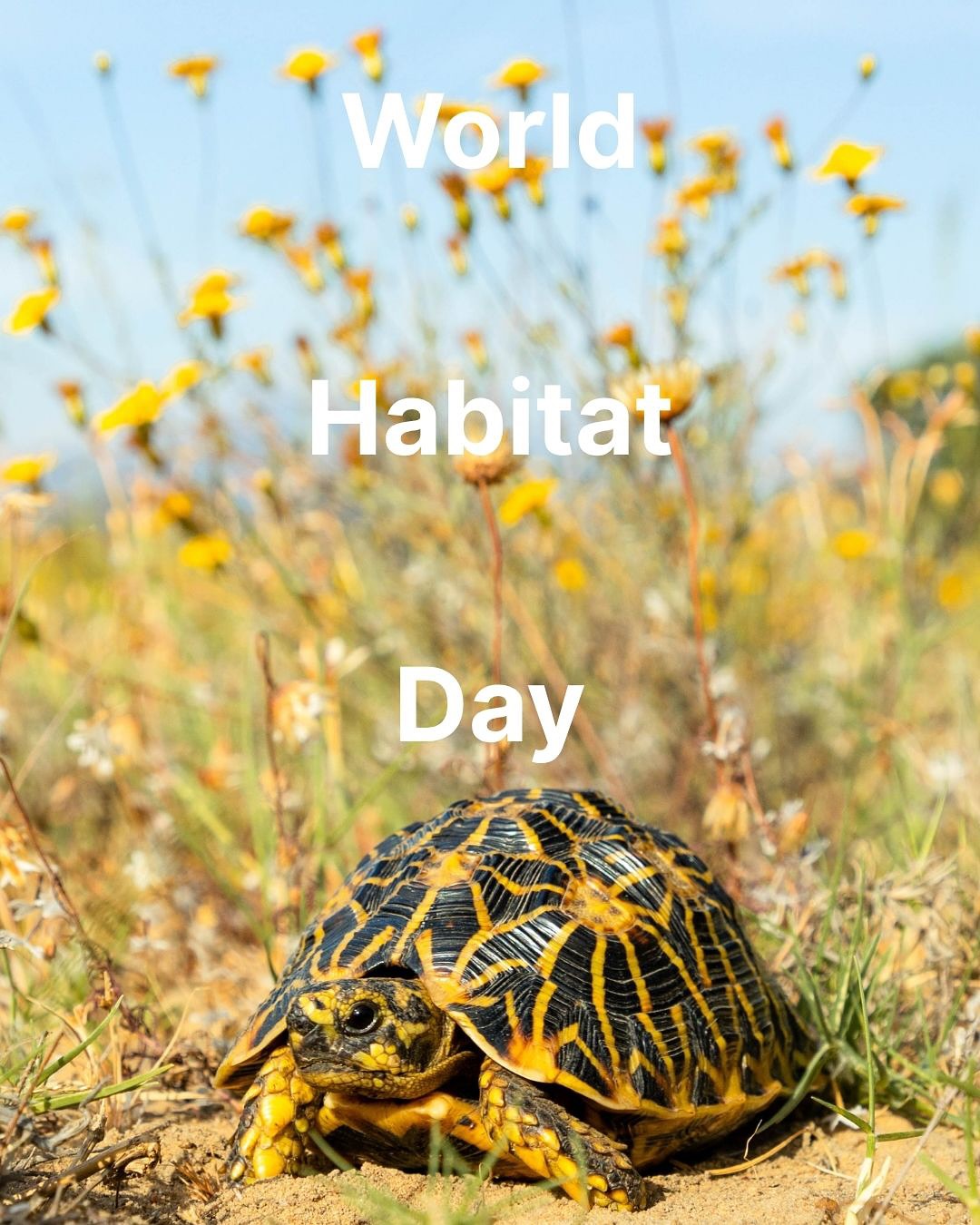
The Geometric Tortoise is critically endangered, primarily due to habitat destruction resulting from urbanization and agricultural expansion. As fynbos flora diminishes, its ecological balance tips, making the tortoise susceptible to predators. The pied crow, for example, becomes more abundant in these fragmented landscapes, preying on juvenile tortoises that struggle to find shelter among the dwindling native vegetation. Invasive plant species further complicate this scenario by competing for resources that native plants would normally provide, creating an environment continued deterioration.
In response to such challenges, conservation initiatives are essential. The Geometric Tortoise Preserve located near Cape Town encompasses over 1,000 acres of fynbos habitat. This sanctuary plays a crucial role in protecting not only the Geometric Tortoise but also the myriad other species that inhabit this unique environment. By restoring and preserving this delicate habitat, the preserve creates a refuge where endangered species can thrive and recover. This initiative highlights the importance of protecting not just the individual species but the entire ecosystem that sustains them.
A key aspect of biodiversity is the interconnectedness of species within an ecosystem. Each organism plays a unique role, contributing to the overarching health of their habitat. For instance, certain plants provide food and shelter for insects, which, in turn, serve as prey for birds. This intricate web of relationships illustrates the importance of a balanced ecosystem; if one species becomes endangered or extinct, it can have cascading effects throughout other populations, leading to further degradation. Protecting the fynbos and its inhabitants is essential to maintaining this balance, ensuring that no part of this complex system is compromised.
Individuals can play a vital role in fostering conservation efforts. Awareness is the first step. Understanding the importance of ecosystems and the threats they face allows people to act responsibly. Supporting organizations dedicated to wildlife conservation, like Turtle Conservancy, is another effective way to contribute. By participating in fundraising efforts or volunteering, individuals can directly impact the preservation of critical habitats such as the fynbos.
Moreover, responsible consumer choices can also drive environmental stewardship. Consumer habits influence market demand and can, in turn, affect ecosystem conservation. Choosing sustainably sourced products, reducing waste, and supporting local conservation initiatives can make a significant difference.
Public policy also plays a crucial role in ecosystem protection. Advocating for environmental legislation helps create a buffer against threats to biodiversity. Governmental bodies should prioritize green spaces and enforce regulations that limit urban expansion, deforestation, and pollution. As the demand for land increases for agriculture and urban development, these measures become vital.
The urgency surrounding biodiversity loss cannot be understated. Current rates of extinction are alarmingly high, driven by anthropogenic factors. According to a 2019 report by the United Nations, around 1 million species are currently threatened with extinction, primarily due to human activity. This stark statistic serves as a call to action for everyone to engage in conservation efforts.
Raising awareness about specific species, such as the Geometric Tortoise, can help draw attention to broader conservation needs. These advocacy efforts not only affect public opinion but also catalyze funding for research and preservation programs. Education about threatened species fosters community involvement, encouraging people to take steps that contribute to their survival.
Creating safe corridors that connect fragmented habitats is another practical approach to conservation. These corridors allow species to migrate, find mates, and access food more easily. They enhance genetic diversity, which is critical for the resilience of species as environmental conditions change. Implementing such strategies is crucial in mitigating the impacts of habitat loss while keeping ecosystems intact.
Technological advancements also offer promising tools for conservationists. Geographic Information Systems (GIS) and satellite imagery allow for the monitoring of land use changes and habitat conditions. These technologies help identify areas that require urgent attention and inform best practices for conservation. By integrating science and technology, conservation strategies can become more effective and targeted.
While the conversation around biodiversity and ecosystems often focuses on charismatic megafauna, such as elephants and tigers, smaller creatures and unique landscapes, such as the fynbos in South Africa, deserve equal attention. Every species plays a role in the ecosystem, and losing any one of them can disrupt the balance. Conservation efforts should aim to protect entire ecosystems, which will, in turn, protect the myriad organisms living within them.
Educators and scientists must work collaboratively to engage the next generation in these discussions. Developing educational programs that explain biodiversity, ecosystems, and conservation can inspire youth involvement. School initiatives, nature camps, and community education programs can instill a sense of responsibility for the environment among students.
The fynbos biome exemplifies the rich complexities of our ecosystem. Its conservation not only protects individual species but also serves a greater purpose. Healthy ecosystems contribute to the overall health of the planet, playing crucial roles in carbon sequestration, air purification, and water filtration among many other functions.
Beyond just ecological benefits, protecting these habitats directly impacts human communities. Well-preserved ecosystems can enhance tourism, providing economic support for local communities and promoting awareness of the need for conservation. A thriving ecology also contributes to better health outcomes by reducing pollution and providing natural resources necessary for food and clean water.
In short, protecting the places that sustain life on Earth is not an isolated effort; it is a collective responsibility that encompasses various sectors of society. By understanding the interconnections between species and ecosystems, advocating for effective policies, and participating in grassroots conservation efforts, we can mitigate ongoing threats to biodiversity. Each action taken contributes to a larger effort that not only safeguards endangered species like the Geometric Tortoise but also ensures that our planet remains a vibrant, livable habitat for generations to come.
*****
Source Description
highlights the importance of protecting the places that sustain life on Earth.
In South Africa’s fynbos, one of the most biodiverse ecosystems on the planet, the Geometric Tortoise faces growing threats from habitat loss, invasive plants, and wildfires. As native vegetation disappears, they also become vulnerable to predators like pied crows, which thrive in degraded areas.
Through our Geometric Tortoise Preserve near Cape Town, we’re protecting over 1,000 acres of this fragile landscape — safeguarding not only this critically endangered species, but the countless others that depend on it.
Contribute to the protection of South Africa’s fynbos at turtleconservancy.org 🌿
