
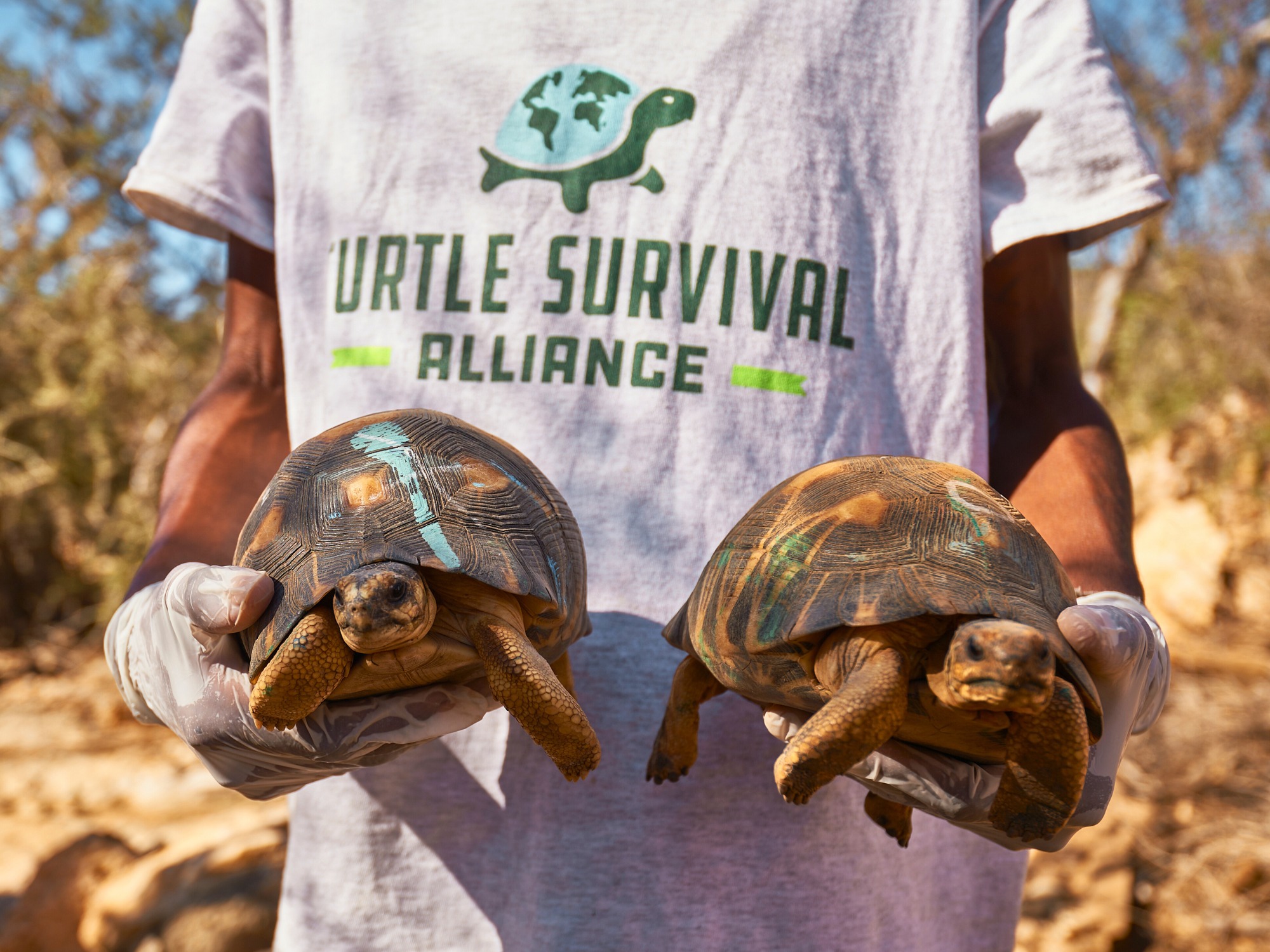
- The impact of the 2025 cyclones on Madagascar’s Lavavolo Tortoise Center and its critically endangered tortoises.
- The history and significance of the Lavavolo Tortoise Center’s conservation efforts.
- Community and international support in the recovery and rebuilding process.
- The role of local and global partnerships in wildlife conservation and resilience.
- Strategies employed for the rehabilitation and protection of endangered tortoise species.
The first few months of 2025 brought unprecedented challenges for the Lavavolo Tortoise Center in Madagascar. The onslaught of three powerful tropical cyclones devastated the region, testing the resilience of both the center and the surrounding community. This period of crisis left the facility inundated and forced it into an immediate response to save 12,000 critically endangered tortoises, including Radiated and Spider tortoises. Understanding the impact of these cyclones and the subsequent recovery efforts provides valuable insights into wildlife conservation and the robust network of support that sustains it.
Founded seven years before the 2025 crisis, the Lavavolo Tortoise Center emerged as a beacon of hope following two major confiscations of over 17,000 tortoises. It stands as a testament to the enduring commitment to protect Madagascar’s unique biodiversity. The center serves not only as a sanctuary for endangered tortoises but also as a crucial nexus for research and education. Managed with meticulous care, the facility has weathered multiple storms, both literal and metaphorical, becoming a symbol of perseverance and unity.
In the wake of the cyclones, the recovery was profound. The facility faced flooding and infrastructure damage, but the immediate concern was the welfare of the tortoises and the individuals affected. A community-driven response unfolded, with staff and locals working together under strenuous conditions. This collaboration extended beyond Madagascar. Global partners in conservation, zoos, aquariums, and individual supporters provided aid, illustrating the interconnectedness of environmental stewardship.
The success of these efforts is attributed to the synergy between local knowledge and international expertise. Support arrived in various forms, including financial aid, supplies, and technical assistance. Volunteers and experts swarmed in to aid in the rehabilitation of the tortoises. Their return to health marked a pivotal step in the broader recovery process. The joint commitment to a shared mission underscores a fundamental principle in wildlife conservation: no endeavor of this magnitude can be accomplished in isolation.
A critical factor in the resilience of the Lavavolo Tortoise Center is its approach to partnerships. Over the years, alliances have been established with institutions worldwide, facilitating a valuable exchange of knowledge and resources. These partnerships played a vital role during the recovery process, offering not only immediate relief but also long-term strategies for sustainable conservation. This network has fortified the center against future adversities and positioned it as a model for similar conservation projects globally.
Rehabilitation efforts for the tortoises involved triage and medical care to address injuries and diseases. Habitats were repaired and improved to safeguard the animals’ future well-being. Strategies were adapted to mitigate the risks of future cyclones, including structurally reinforcing enclosures and enhancing drainage systems to prevent flooding. Education played a significant role, empowering the local community with the skills and knowledge needed to protect the wildlife.
This challenging period for the Lavavolo Tortoise Center reiterates the importance of resilience and adaptability in conservation. The support, solidarity, and strategies employed after the cyclones have solidified its role as a cornerstone of biodiversity preservation in Madagascar. The engagement from local communities and international entities highlights a broader movement—one that connects people across the globe in a shared responsibility toward preserving endangered species and their habitats.
In highlighting this crisis and the response efforts, it becomes evident that conservation is a dynamic field constantly requiring evolving strategies and steadfast dedication. The Lavavolo Tortoise Center serves as an exemplar of how adversity can galvanize strength and cooperation. Through the collective action of communities, partners, and conservationists, the mission to protect and rehabilitate endangered tortoises continues, offering hope for a more sustainable future.
*****
Source Description
The first few months of 2025 were an intense time for our Madagascar team. Three tropical cyclones flooded our facilities in Lavavolo, resulting in an all-hands-on-deck recovery effort for over 12,000 critically endangered tortoises. After triaging and caring for thousands of these tortoises, and supporting dozens of staff and community members who lost their homes, we are finally starting to recover.
In the aftermath of this year’s catastrophic cyclones, the Lavavolo Tortoise Centerhas once again become a symbol of resilience and unity—much as it did seven years ago this month, when it rose from the ground in response to two major confiscations totaling more than 17,000 tortoises. What began as a devastating blow to our infrastructure, the thousands of Radiated and Spider tortoises in our care, and the well-being of our staff and surrounding community, has sparked an outpouring of local and international support, as communities and partners have come together to rebuild—rock by rock, tortoise by tortoise.
Read the full blog on the News & Events link in our bio for the full story on our recovery and rebuilding efforts.
THANK YOU to every one of you who donated, liked & shared our posts, and helped spread the word to support us during this time. Without you, we would not be able to rebuild.
📸: Andry Fandresena (1), Hery Lova Razafimamonjiraibe (2-3), Sean Perry (4-5)
@zoos_aquariums
