
- Introduction to the Stanley crane, its significance, and distinguishing features
- Sylvia’s habitat, behavior, and adaptations in the wild
- Conservation efforts and the role of zoos in protecting Stanley cranes
- The importance of public awareness and education in conservation
- Scientific research and its impact on preserving Stanley crane populations
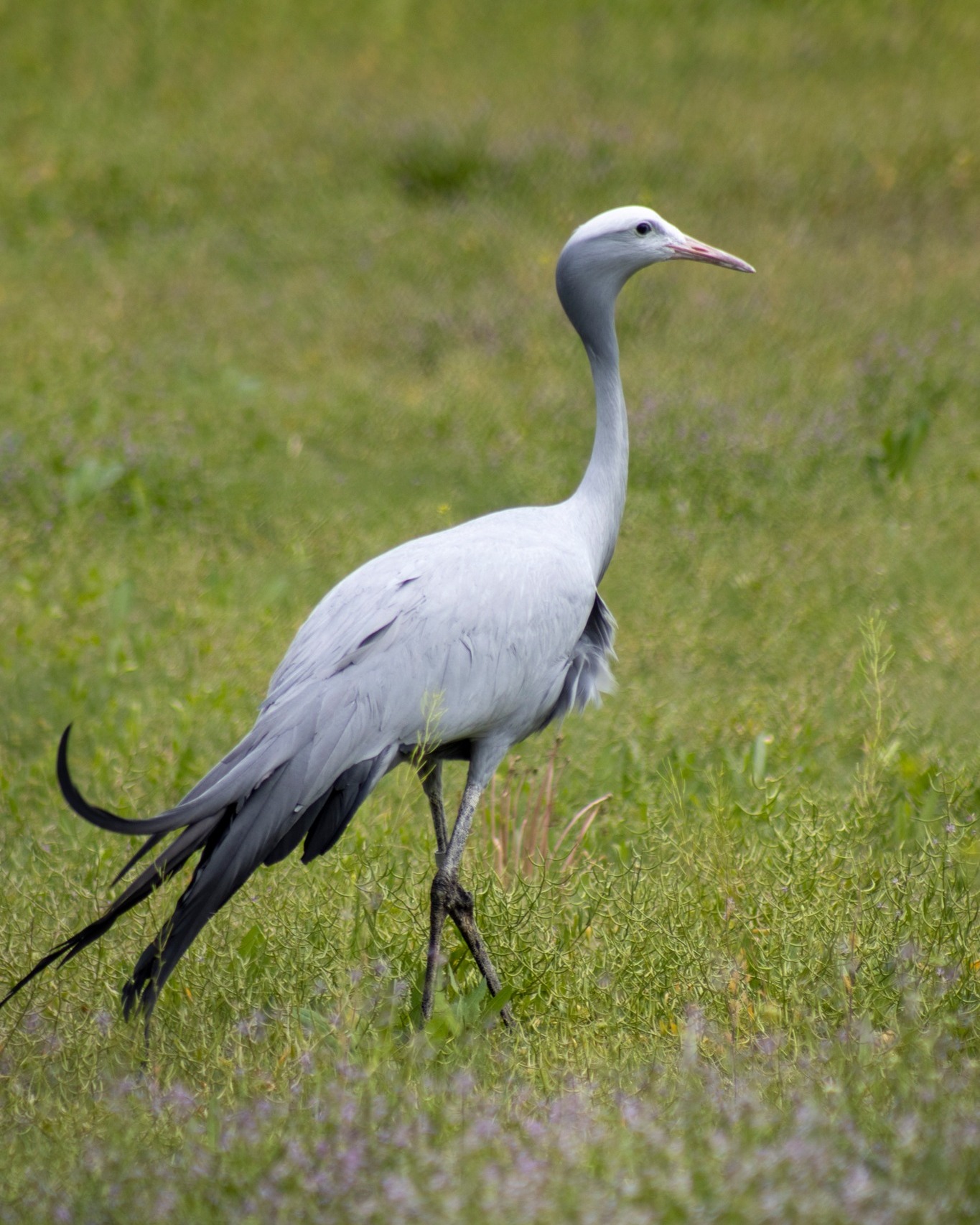
The Stanley crane, also known as the blue or paradise crane, is a remarkable bird native to South Africa. As the country’s national bird, it holds symbolic and ecological significance. With a gradient of gray feathers that exude a regal charm, this bird presents an understated elegance compared to its more flamboyant cousins like the East African Crowned Crane. Meet Sylvia, a Stanley crane who exemplifies effortless beauty.
Sylvia’s environment in the wild reflects her adaptability and survival skills. Native to the grasslands and semi-desert regions of southern Africa, these cranes have adapted to environments ranging from agricultural lands to natural wetlands. Their range allows them to forage for a diet rich in seeds, insects, and small vertebrates. This adaptability is crucial as it enables Sylvia and her kin to thrive in diverse habitats.
In terms of behavior, Stanley cranes are ground foragers. Their long legs aid in wading through grasslands, and their slender beaks help in picking out food. Courtship involves intricate dances, including leaps and calls, underlining social bonds. Sylvia, like others of her species, displays these impressive behaviors not only as part of mating rituals but also as a form of communication.
Conservation efforts for Stanley cranes are vital. Habitat loss, human encroachment, and decreased food availability pose significant threats. Organizations in South Africa and beyond are engaged in initiatives to safeguard these birds. Captive breeding programs, habitat restoration projects, and legal protections form a triad of strategies aimed at preserving their numbers. Zoos play an instrumental role here, offering controlled environments where Stanley cranes receive expert care and breeding support.
Public awareness and education are powerful tools in conservation. Knowledge about the Stanley crane, its role in the ecosystem, and threats faced, helps cultivate a conservation-minded public. Educational programs in zoos and wildlife reserves, often featuring charismatic individuals like Sylvia, enhance public understanding and appreciation of these birds.
Scientific research underpins these conservation efforts. Studies on genetic diversity, migration patterns, and ecological roles provide valuable data guiding protective measures. Conservationists rely on research outcomes to design effective strategies for habitat management and species survival. The application of this research ensures that Stanley cranes continue to grace the landscapes of South Africa, honoring their title as the national bird.
In sum, Sylvia the Stanley crane embodies natural beauty and resilience. Through robust conservation programs, public education, and scientific research, we can safeguard her future and the survival of her species. By appreciating Sylvia’s effortless beauty and understanding her ecological role, we are inspired to act in the preservation of the natural world.
*****
Source Description
She’s got that effortless beauty.
She’s Sylvia, the Stanley crane!
Also known as blue or paradise cranes, the Stanley crane is the national bird of South Africa.
While her East African Crowned Crane habitat mates might catch your eye with their fancy crown of feathers, Sylvia uses a simple gradient of grays to look regal.
We see you Sylvia! Stay gorgeous!
