
- The captivating story of Bogie, the yellow-naped amazon parrot, and the challenges of parrot ownership.
- The complexities of caring for parrots, highlighting their needs for enrichment and social interaction.
- The global pet trade’s impact on parrot species, focusing on conservation and legal aspects.
- The educational opportunities provided by institutions like the L.A. Zoo to appreciate and conserve parrots.
- The ecological significance and endangered status of the yellow-naped amazon and other parrot species.
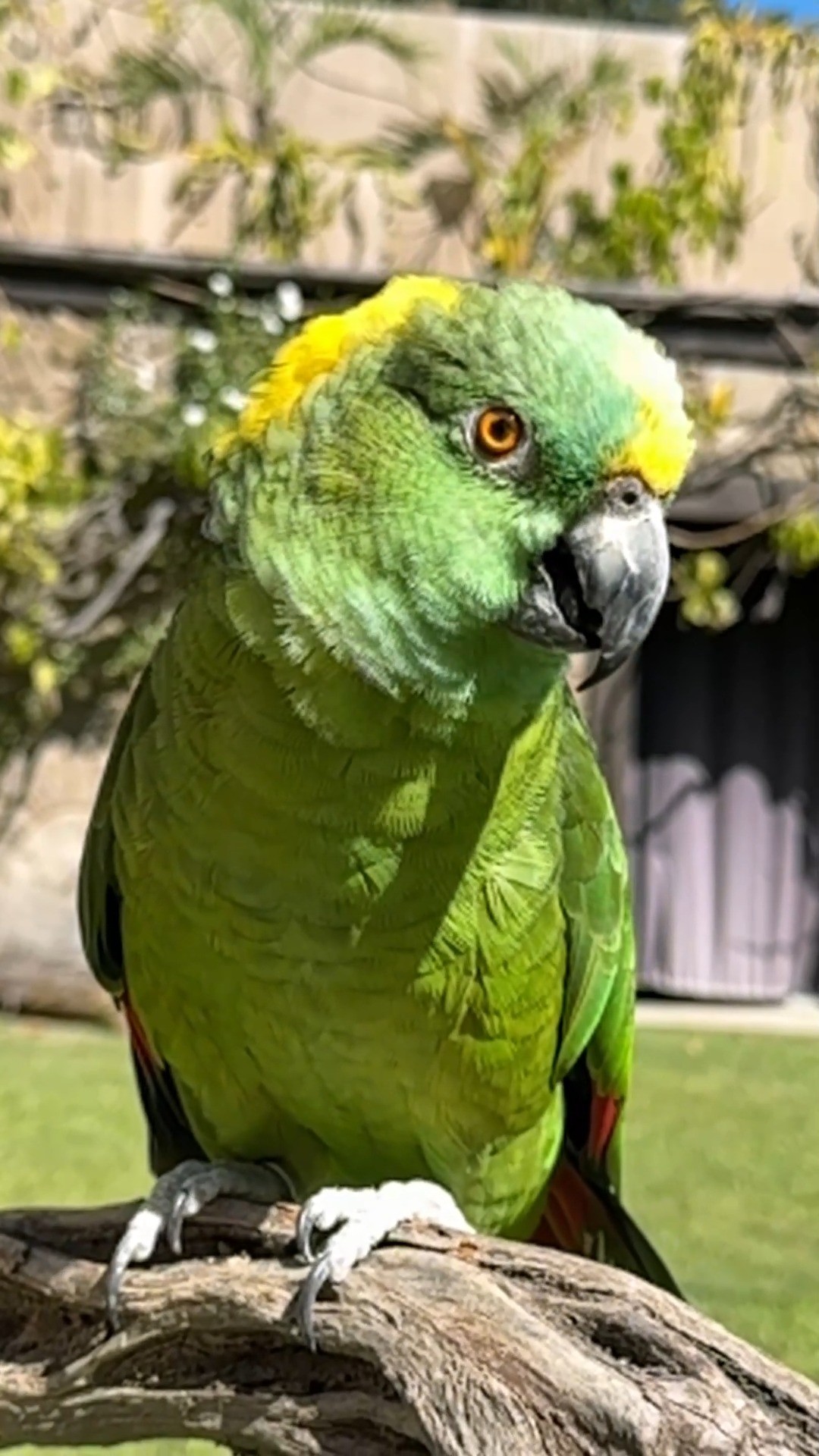
Bogie, the yellow-naped amazon parrot, captivates audiences with his vibrant singing and playful antics. His journey from pet to permanent zoo resident underscores the complicated nature of parrot ownership. These birds, often perceived as manageable pets, present unique challenges and responsibilities.
Parrots are intelligent, social creatures that require daily mental stimulation and interaction. They possess the cognitive abilities comparable to a young child, alongside physical power that can rival mechanical tools. This combination demands a commitment that is often underestimated by prospective pet owners. Parrots have an impressive lifespan, some living upwards of 80 years, making their care a long-term endeavor.
The demands of parrot care extend beyond the basic needs. Enrichment is crucial. These birds benefit from toys, puzzles, and activities that simulate natural behaviors like foraging and problem-solving. Without such stimulation, parrots can develop undesirable behaviors such as feather plucking and excessive screaming, which highlights why they are unsuitable for many households.
Moreover, parrots form deep, complex social bonds, both with humans and other birds. Lack of interaction can lead to emotional distress. Anyone considering a parrot as a pet must invest significant time daily to maintain these social relationships, a task that is often underestimated.
Yet, the broader issue extends to the methods of acquiring these birds. The demand for parrots in the pet trade has devastating impacts on wild populations. Many species, including the yellow-naped amazon, suffer due to both illegal and legal trade practices. Parrots are trapped and removed from their natural habitats, causing drastic declines in population numbers.
The Convention on International Trade in Endangered Species (CITES) regulates international trade of animal and plant species, including many parrots. Despite protective measures, illegal trafficking persists, driven by high demands and profitable markets. Capturing these birds from the wild has put several species on endangered lists, pushing ecosystems off balance and threatening biodiversity.
Conservational initiatives emphasize sustainable appreciation and protection of these remarkable creatures. Organizations like the L.A. Zoo play a pivotal role by showcasing the splendor of parrots through programs and exhibits. They provide educational resources on the ecological roles parrots play and the pressing need to conserve them.
Visitors to facilities like the L.A. Zoo have the opportunity to engage with parrots in a manner that respects their natural behaviors. The World of Birds Show and the Avian Conservation Center not only display the beauty of these birds but also foster awareness about conservation efforts. They highlight how zoos contribute actively to breeding programs, habitat restoration, and public education, aiding the survival of species such as the yellow-naped amazon.
Understanding the plight of endangered parrots extends to recognizing the ecological significance they hold. Parrots are vital seed dispersers in their native habitats, maintaining the health and balance of ecosystems. Their decline could lead to cascading effects, disrupting ecological networks and services.
The yellow-naped amazon, in particular, is emblematic of these broader conservation concerns. Facing habitat destruction and exploitation, their populations are dwindling. Conservationists stress the importance of legislative and grassroots efforts to curtail illegal trade and encourage habitat protection.
Through Bogie’s story, a reflection emerges on human impacts and responsibilities towards wildlife. Owning a parrot is not a mere hobby; it is a commitment to conservation and understanding of these extraordinary animals. By making informed choices and supporting conservation efforts, individuals can contribute to safeguarding parrots for future generations.
Each visit to a zoo or wildlife sanctuary offers a chance to learn about and appreciate these birds’ roles within our shared environment. Advocating for and participating in efforts to protect them ensures the preservation of their species and the natural wonders they represent. The story of Sing it, Bogie! resonates as a call to action, urging thoughtful reflection and active participation in parrot conservation.
*****
Source Description
Sing it, Bogie! 🎵🦜
Bogie the yellow-naped amazon parrot loves to sing, but his story hits a serious note. He was once a pet before finding a permanent home at the Zoo.
While Bogie is adorable and charming, parrots aren’t easy pets. They’re like perpetual toddlers with built-in power tools who can scream as loud as a jet engine — for up to 80 years! Parrots require specialized care, daily enrichment, and lots of social interaction. Many are also taken illegally from the wild to be sold as pets. Several parrot species — including Bogie’s — are endangered or even critically endangered, often due to overexploitation in both the legal and illegal pet trades. Your choices have a big impact.
When you visit the L.A. Zoo, you can admire the beauty of parrots sustainably through the World of Birds Show, parrot habitats, and Avian Conservation Center. 💚🦜
