
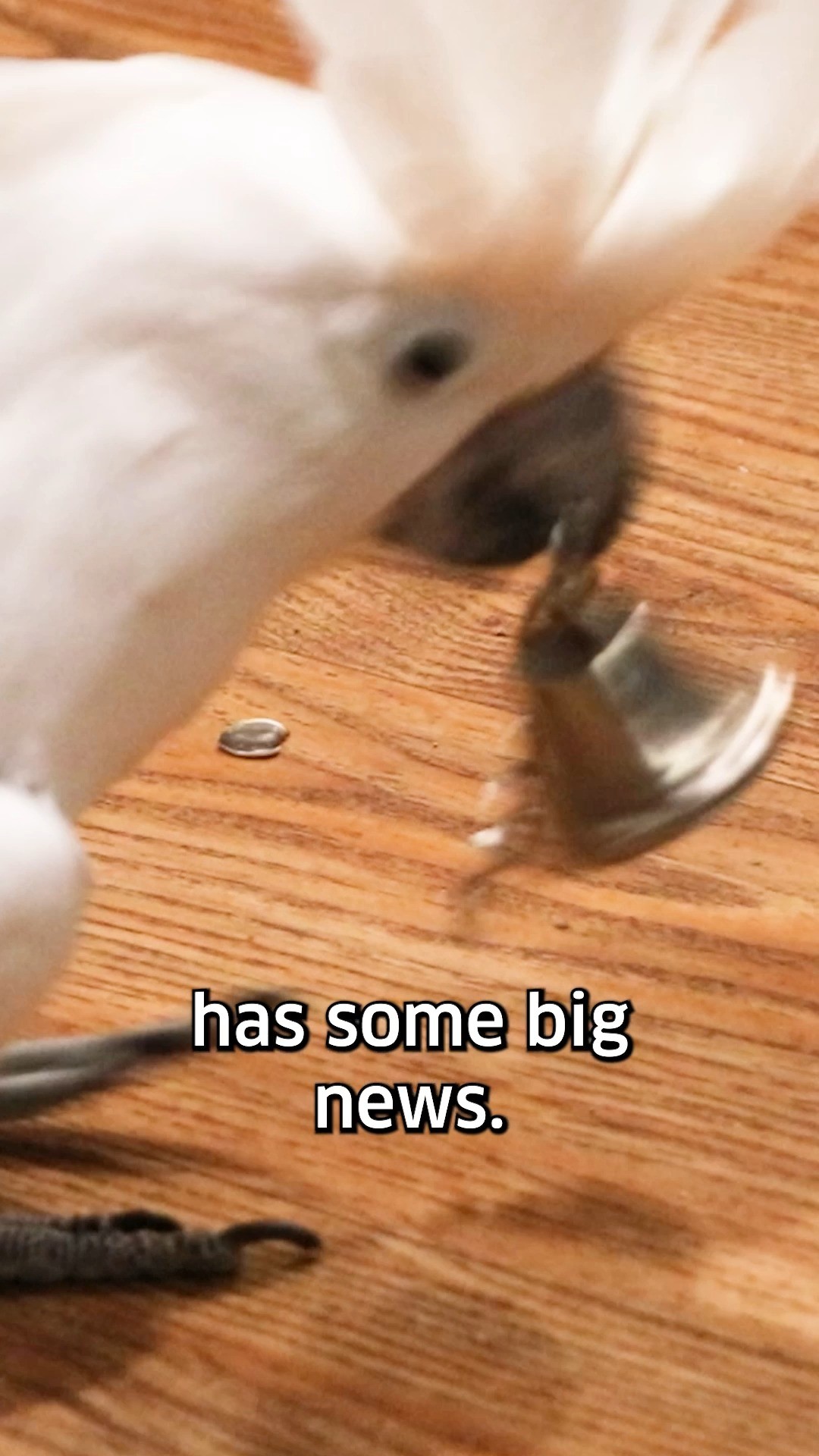
- Explore Crystal the cockatoo’s journey from Franklin Park Zoo to a new home in Florida and the reasons behind his move.
- Discuss the implications of keeping parrots as pets, with a focus on their complex care needs and welfare considerations.
- Examine the issue of illegal wildlife trafficking and its impact on parrot populations around the world.
- Highlight the role of zoos in conservation and education, and how ambassador animals contribute to these efforts.
Crystal the cockatoo has been a vibrant presence at Franklin Park Zoo since 1997, captivating visitors with his personality and charm. As he prepares to embark on a new chapter, moving to a warmer climate in Florida, his journey underscores several important issues in the realm of wildlife care and conservation.
This relocation allows Crystal to enjoy a setting more suited to his needs, especially given the consistent warmth that Florida offers. Cockatoos like Crystal thrive in environments that closely resemble their natural habitats. The move is not just about better climate suitability; it’s also about enhancing his role as an ambassador animal. Zoos often use ambassador animals to educate the public about wildlife and conservation efforts. Crystal will likely excel in capturing hearts and promoting awareness in his new home.
However, Crystal’s story also serves as a lesson in the realities of keeping parrots as pets. Initially surrendered because his previous owner could not meet the demands of proper care, Crystal’s experience highlights the complexities involved in maintaining the well-being of these intricate creatures. Parrots are highly intelligent and social animals, requiring constant interaction, mental stimulation, and specialized care. Many people underestimate these needs, leading to situations where parrots are surrendered or rehomed.
The larger issue of illegal wildlife trafficking further complicates the situation for parrots. This illicit trade poses a significant threat to wild parrot populations, driving many species toward endangerment. Parrots are often captured and sold illegally due to their beauty and intelligence, fueling a market that disregards animal welfare and conservation. Several species face declining numbers as a direct result of this trade, disrupting ecosystems and biological diversity.
Zoos play a crucial role in combating these challenges through their conservation and education missions. Beyond providing a home for animals like Crystal, zoos participate in breeding programs, research, and public outreach. Ambassador animals are at the forefront of these efforts, serving as living symbols of conservation messages. By interacting with guests, animals like Crystal raise awareness about the importance of wildlife protection and the threats faced by specific species.
Understanding the journey of Crystal the cockatoo offers insight into the broader conversation about animal welfare, conservation, and the responsibilities of those who care for exotic pets. His story is not just one of relocation but of advocacy and education, reminding us of the importance of preserving the natural world.
*****
Source Description
We have a bittersweet update for World Parrot Day: Crystal is headed south. ✈️
This charismatic cockatoo has been at Franklin Park Zoo since 1997. Soon he will move to another zoo in Florida where the weather is warmer and he’ll get to charm guests year-round as an ambassador animal. There’s no doubt he’ll thrive there, but we’ll sure miss this feisty, feathered ham. Bon voyage, Buddy!
Crystal’s story is a cautionary tale about parrots as pets. He was surrendered because his previous owner could not care for him. Illegal wildlife trafficking is another threat to these beautiful, intelligent and needy birds. In fact, exotic animals do not make great pets — follow the link in our bio to learn why and how you can help.
