
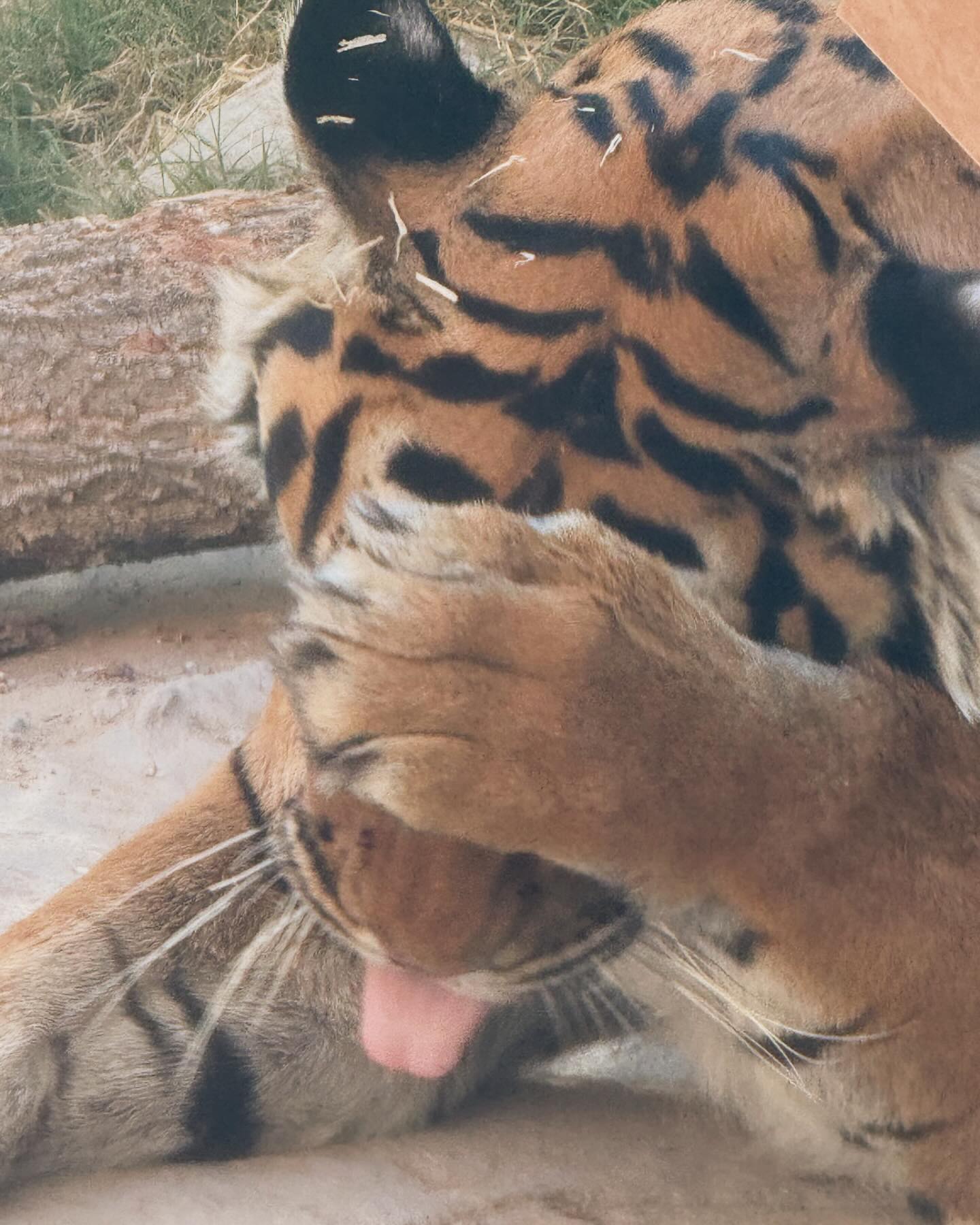
- Seri’s dietary needs and restrictions due to Inflammatory Bowel Disease.
- The specific components and benefits of Seri’s diet involving poultry and fish.
- The role of zookeepers and veterinary care in supporting Seri’s health.
- Insights into zoo management practices for aging animals with special needs.
- Conservation efforts and the ecological significance of the Malayan Tiger.
An insightful look into Seri’s life brings us face-to-face with the challenges and triumphs of caring for a majestic Malayan Tiger. At 17 years old, Seri stands as a testament to the dedication of her caretakers and the innovative approaches they adopt to accommodate her unique needs. This narrative highlights various aspects of her care, focusing on her dietary requirements, the exceptional care provided by her team, and a broader look into the conservation efforts for her species.
Seri’s Dietary Needs and Restrictions
Seri, like many older animals, deals with specific health issues that require special attention. Her Inflammatory Bowel Disease (IBD) is a chronic condition that impedes her ability to digest red meat, a staple in the diet of many carnivores. Instead, her nutrition plan is custom-built around poultry and fish, chosen for their digestibility and nutritional content.
The main component of Seri’s diet is a significant daily portion of ground turkey, weighing in at 7 pounds. Turkey offers a rich source of protein while being easier on her digestive system. This dietary adaptation underscores the importance of tailor-fitting diet plans to an animal’s health conditions, ensuring they receive the necessary nutrients without aggravating their ailment.
Supplementing her turkey intake, Seri also enjoys 2.5 pounds of cooked chicken breast with broth weekly. The inclusion of chicken breast provides lean protein and essential amino acids, while the broth adds hydration and flavor, aiding in her overall wellbeing.
One of the highlights of her week is enjoying mackerel, a form of enrichment that supports her engagement and stimulation. Mackerel provides Omega-3 fatty acids, crucial for maintaining her coat and joint health, enhancing her overall body condition.
The Role of Zookeepers and Veterinary Care
Seri’s thriving in her habitat is a product of dedicated care from attentive zookeepers and skilled veterinary staff. These professionals monitor her health closely, adjusting her diet as needed and ensuring she remains comfortable. This attention to detailed care illustrates the essential roles that zookeepers and vets play in providing geriatric care to animals.
Veterinary interventions include regular health check-ups, tracking parameters like weight, mobility, and any signs of discomfort. By doing so, potential health issues are identified early, and proactive measures are taken, maintaining her quality of life. This partnership between zookeepers and veterinarians epitomizes a collaborative approach crucial in modern zoological settings.
Zoo Management Practices for Aging Animals
As animals age, their health and comfort become primary concerns. Seri’s situation illustrates the strategies implemented by zoos to address these challenges. Management practices revolve around creating environments that mimic natural habitats while accommodating specific health needs.
For an older tiger like Seri, minimizing stress and maximizing comfort involves environmental enrichment. This includes providing various stimuli to encourage natural behaviors like exploring, hunting, and playing. These activities are essential for mental health, especially in a controlled environment.
Providing proper care extends beyond nutrition and health check-ups. Enclosures are designed to offer mental and physical stimulation, utilizing resources such as toys, scent trails, and varied terrain. Such practices help mitigate the effects of aging and chronic diseases, promoting longevity and health.
Conservation Efforts and Ecological Significance
Seri is more than just a resident of a zoo. She represents the critical need for conservation efforts directed at her species, the Malayan Tiger. With their numbers dwindling in the wild due to habitat loss and poaching, every individual matters in the fight against extinction.
Zoos play a pivotal role in these efforts by participating in breeding programs, funding research, and raising public awareness. By holding a tiger like Seri, they have the opportunity to educate the public about the threats facing their wild counterparts.
Moreover, preserving Malayan Tigers is vital for maintaining ecological balance. As apex predators, they play a crucial role in controlling prey populations, contributing to the health and stability of their ecosystems.
In conclusion, Seri’s story is not just about an aging tiger’s special diet. It’s an exploration of how tailored care strategies and conservation initiatives come together to support the life of a magnificent animal. Through the dedication of zookeepers, veterinary teams, and the broader conservation community, Seri lives with dignity and vitality at an advanced age. Her presence in a zoo setting highlights the ongoing need for robust wildlife conservation strategies to secure a future for her species in the wild.
*****
Source Description
🐯 Seri, our 17 year-old female Malayan Tiger, reacting after she was offered Red Meat!
Seri, unfortunately, suffers from Inflammatory Bowel Disease and cannot tolerate the red meat we give to our other carnivores. She is strictly a poultry 🍗 and fish 🐟 girl!
So, her special diet consists of:
– 7 lbs. of Ground Turkey (daily)
– 2.5 lbs. of cooked chicken breast with broth (weekly)
– and her favorite enrichment, mackerel (weekly).
Thanks to her dedicated team of zookeepers and our exemplary veterinary staff, Seri is well taken care of. She came to us from @sandiegozoo
