
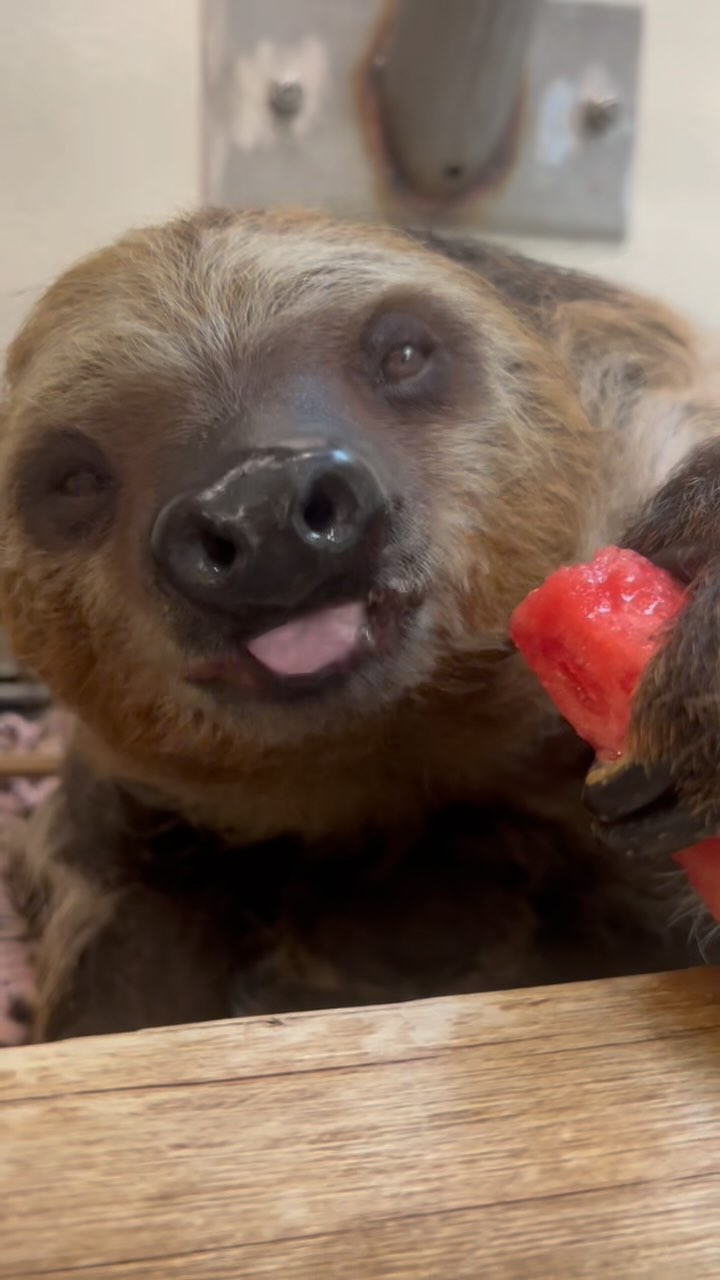
- Celebrating Juno’s 2nd birthday: Highlights and Activities
- Understanding Sloth Behavior and Biology
- Importance of Zoos in Wildlife Conservation and Education
- Care and Habitat of Sloths in Human Care Settings
- Engaging the Public: The Role of Animal Ambassadors
Celebrating Juno’s 2nd birthday: Highlights and Activities
Juno the sloth recently celebrated his second birthday, and the occasion was marked with joy and care from his dedicated team. An exciting event unfolded in the Children’s Zoo Animal Ambassador Center, where Juno was treated to special snacks, emphasizing the role of enrichment in animal welfare. Care teams often use these moments to both bond with animals and educate the public. Birthdays in zoos provide an excellent opportunity to educate visitors about species, encouraging appreciation and understanding of animals like sloths.
Birthdays often include activities that stimulate both the animal’s physical and mental well-being. With Juno, his care team prepared a delightful treat of watermelon, a favorite among sloths. Offering fruits that animals naturally consume in their habitats serves as a delightful enrichment activity. Not only does this keep the animal’s diet varied and interesting, but it also mimics behaviors observed in the wild. Events like these can draw large crowds, allowing caregivers to speak about sloths and their needs, further connecting the public to the animals they love.
Understanding Sloth Behavior and Biology
To appreciate Juno’s birthday fully, one must understand the fascinating biology and behavior of sloths. Native primarily to Central and South America, sloths are known for their slow movement, which is an adaptation that helps them conserve energy. They have a low metabolic rate, digesting a plant-based diet that largely consists of leaves and fruits. This slow way of life allows them to survive on a limited amount of food, minimizing the energy they expend.
Sloths are remarkable creatures that possess several adaptations. For example, their long claws allow them to hang effortlessly from tree branches. Their greenish fur, which hosts algae, provides camouflage, helping them avoid predators. High in tree canopies, sloths lead solitary lives, coming down to the ground only once a week for defecation. This behavior is essential for them, as it minimizes detection by predators.
With only two species of two-toed sloths and several species of three-toed sloths, their differences are more than superficial. Two-toed sloths are generally larger and have a more varied diet than their three-toed relatives. Learning about Juno enhances public understanding of these distinctions, illuminating the complexities of sloth biology.
Importance of Zoos in Wildlife Conservation and Education
Juno’s birthday celebration serves a broader purpose by highlighting the importance of zoos in wildlife conservation and education. Modern zoos play an integral role in species preservation and ecological awareness. By providing a sanctuary for animals like Juno, they help protect endangered species while also allowing for research opportunities that contribute to conservation strategies.
Zoos are also pivotal in educating the public about wildlife and environmental stewardship. Through programs that feature animals like Juno, visitors are informed about conservation challenges facing different species. The presence of animal ambassadors fosters a connection between the public and wildlife, raising awareness about issues such as habitat loss and climate change.
Zoos collaborate with various conservation organizations to conduct breeding programs aimed at reintroducing species into their natural habitats. Juno’s presence in the Children’s Zoo Animal Ambassador Center not only captivates visitors but also provides crucial data for sloth conservation efforts. Understanding the role of zoos as conservation hubs is essential in advocating for wildlife preservation.
Care and Habitat of Sloths in Human Care Settings
Providing proper care for sloths such as Juno goes beyond feeding and keeping them safe. Their habitats in zoos aim to replicate their natural environments, allowing them to exhibit natural behaviors. Appropriate tree structures, climbing platforms, and appropriate substrate are vital components that contribute to their overall health and well-being.
Sloths have specific nutritional needs that must be met in a zoo setting. A carefully curated diet replicates what they would naturally consume, which includes leaves, fruit, and flowers. Their slow digestive system necessitates a meticulous approach to feed them, as food must be both nutritionally balanced and appealing. Juno’s favorite watermelon provides essential hydration, especially during warm months when he may become more active.
Veterinarians and zookeepers closely monitor the health of sloths through regular check-ups, examining aspects such as weight, fur condition, and overall activity levels. These routine evaluations are crucial for ensuring that animals like Juno thrive in captivity. Zookeepers often engage with the animals using enrichment activities ranging from puzzle feeders to environmental changes, keeping their day-to-day lives stimulating.
Engaging the Public: The Role of Animal Ambassadors
Juno serves as an animal ambassador, bridging the gap between wildlife and the public. His birthday celebration was not just a day of festivity; it also allowed visitors to learn about sloths’ ecological roles and their conservation status. Animal ambassador programs employ various formats, from interactive exhibits to behind-the-scenes tours, effectively engaging visitors of all ages.
Education programs focus on showcasing the importance of protecting wildlife and their habitats. Juno’s story illustrates the challenges faced by sloths in the wild, such as habitat loss due to deforestation and climate change. Educators in zoos use animals like Juno to foster empathy and a desire to protect vulnerable species. They can share fascinating facts about sloths, their unique adaptations, and their slow lifestyle in an interactive and engaging manner.
By sharing his habitat, diet, and behaviors, Juno helps generate public interest in wildlife conservation. Participants in such programs leave with a greater understanding of animal welfare. Ultimately, this knowledge can inspire individuals to take action, whether that means supporting conservation organizations, participating in local clean-up efforts, or advocating for policy changes regarding environmental protection.
As summer approaches and visitors come to experience the wonder of animals like Juno, these educational opportunities only increase in importance. The goal is to expand awareness of wildlife issues while encouraging a sense of responsibility toward environmental stewardship.
Juno’s birthday celebration reflects much more than just a milestone; it illustrates the significant role zoos play in education and conservation. The care he receives highlights the importance of understanding animal behavior and proper habitat management. Through engaging the public, animal ambassadors like Juno instill a sense of connection and responsibility towards wildlife, encouraging everyone to work together to preserve biodiversity. As Juno continues to thrive at the Children’s Zoo Animal Ambassador Center, he undoubtedly serves as a reminder of the beauty of our natural world and the importance of protecting it for generations to come.
*****
Source Description
Happy 2nd birthday to Juno the sloth! He celebrated with his care team and a sweet treat! 🍉 🦥 See him all summer in the Children’s Zoo Animal Ambassador Center!
