
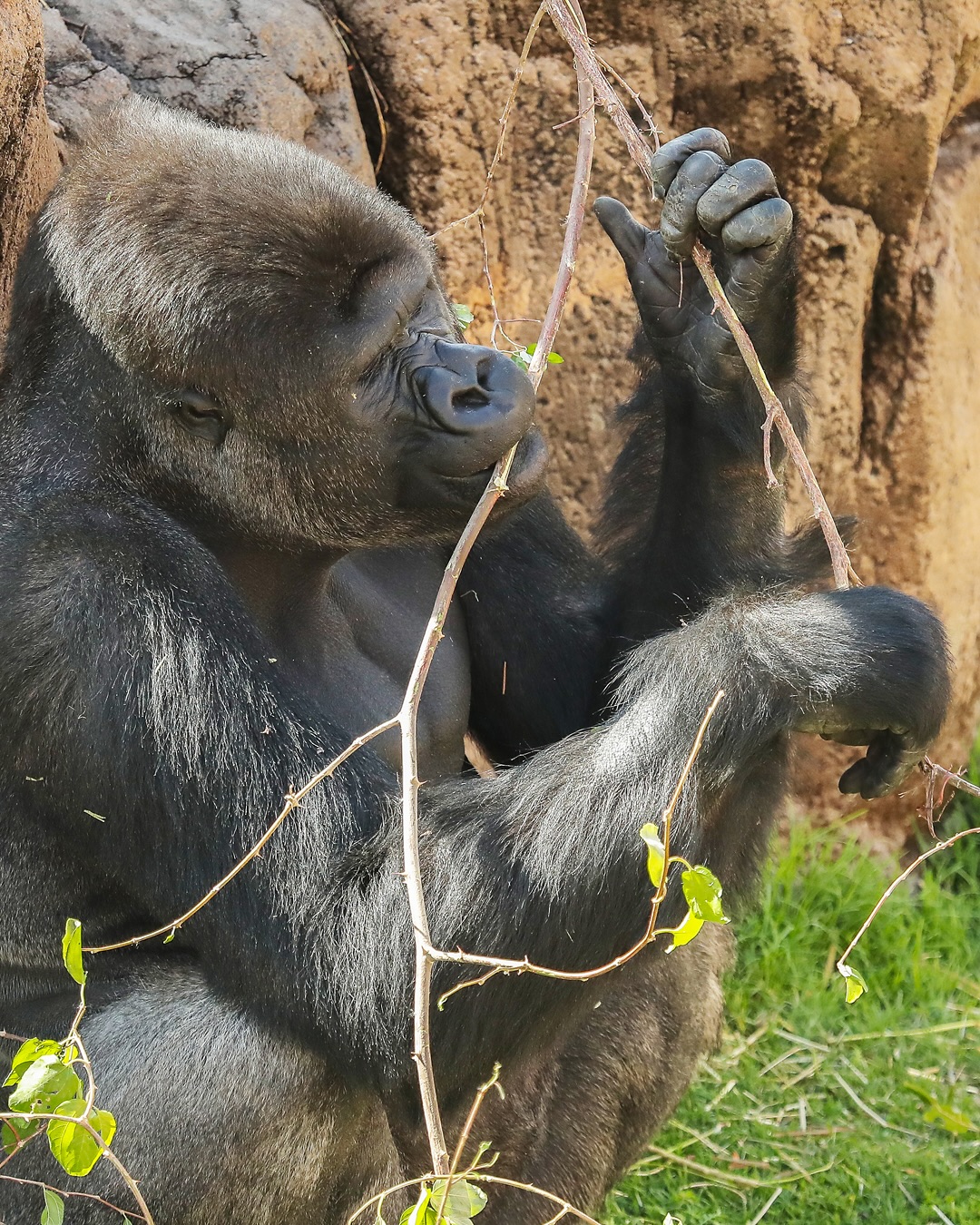
- Overview of the Gorilla Species and Their Natural Habitats
- Social Structure and Communication Among Gorillas
- Conservation Status and Major Threats Facing Gorillas
- The Role of Zoos in Gorilla Conservation and Education
- How to Support Gorilla Conservation Initiatives
Gorillas are one of the closest relatives to humans among the animal kingdom, sharing nearly 98% of their DNA with us. This fascinating connection raises interest not only in their behavior and biology but also in the urgent need to protect them. There are two main species of gorillas: the eastern gorilla, which includes the mountain gorilla and the eastern lowland gorilla, and the western gorilla, which is composed of the western lowland gorilla and the Cross River gorilla. Each species inhabits distinct ecosystems ranging from dense rainforests to mountainous regions.
Eastern gorillas primarily inhabit the forests and mountains of Central Africa, particularly in Rwanda, Uganda, and the Democratic Republic of Congo. Their mountainous habitats provide not just physical shelter from predators but also a rich biodiversity that supports their dietary needs. Western gorillas typically reside in lowland rainforests across Cameroon, the Central African Republic, the Republic of Congo, and other neighboring territories. These varied ecosystems play crucial roles in maintaining biodiversity and ecological balance. The loss of these habitats, primarily due to deforestation and agricultural expansion, poses a significant challenge to their survival.
Understanding the social structure of gorillas adds another layer to our appreciation of these magnificent creatures. Gorillas are highly social animals that demonstrate strong family bonds. They live in groups known as troops, typically led by a dominant male known as a silverback. This silverback is responsible for the safety and well-being of the troop, making decisions about when to travel, where to forage, and how to respond to potential threats. The troop generally consists of several females and their offspring, who learn social cues and behaviors from their mothers and the dominant male.
Communication among gorillas is complex and involves a range of vocalizations, gestures, and facial expressions. From deep rumbling calls that signal danger to softer, grunt-like sounds used in social bonding, these forms of communication serve pivotal roles in maintaining group dynamics. Researchers have observed gorillas using specific postures and vocalizations to convey their emotions, whether they are feeling playful, anxious, or aggressive.
Despite their impressive social structures and biological adaptations, gorillas face serious threats that have significantly impacted their populations. Habitat destruction from logging and agriculture, poaching, and diseases such as Ebola pose dire risks. Mountain gorillas, for instance, are critically endangered, with an estimated population of only about 1,063 individuals remaining in the wild. Conservation efforts are urgently needed to reverse this alarming trend and to protect their dwindling habitats.
Wildlife conservation initiatives play a vital role in protecting gorillas and their ecosystems. Protected areas, such as national parks in Africa, serve as safe havens for gorillas, where they can thrive without the immediate pressures of poaching or habitat loss. Organizations working on the ground in these areas provide crucial resources, such as anti-poaching patrols and habitat restoration programs. For instance, the Virunga National Park in the Democratic Republic of Congo is a key conservation area for mountain gorillas, drawing international attention and funding for ongoing conservation efforts.
Zoos worldwide also contribute meaningfully to the conservation of gorillas through education and breeding programs. Many zoos have established programs aimed at raising awareness about the challenges gorillas face in the wild. Educational programs encourage visitors to engage with these animals on a deeper level, fostering a sense of stewardship toward conservation efforts. Some zoos participate in breeding programs for endangered species, which can lead to population increases and reintroductions into the wild.
In addition to zoos, individuals can also take steps to support gorilla conservation. Donations to credible conservation organizations can fund essential programs dedicated to protecting gorillas and their habitats. Participating in local conservation initiatives, spreading awareness on social media, or simply sharing information with friends and family can also amplify the message. Engaging in responsible tourism can further contribute. Visiting conservation-focused sites, guided by professionals, can foster both appreciation and understanding of the complexities surrounding gorilla conservation.
In summary, gorillas face numerous ecological challenges that threaten their survival. Understanding their biology, social behavior, and habitats can ignite passion for their conservation. Initiatives through zoos and organizations worldwide highlight the importance of collective effort in protecting these extraordinary animals. As stablished frameworks advocate for gorilla protection, it becomes crucial for individuals to take action and ensure that future generations can continue to marvel at these magnificent beings.
*****
Source Description
خاص لمحبي عائلة جامبوووو🦍🦍🦍
شاركوها مع أصدقائكم🤩
.
.
This one’s for our Gorilla lovers🦍🦍🦍
Swipe , SHARE & Enjoy🤩
.
.
