
- Understanding the significance of species differentiation in zoology
- Analyzing the role of close-up photography in animal conservation
- Discussing the unique features and adaptations of various animal species
- Exploring the implications of biodiversity in ecosystem health
- Highlighting the importance of wildlife conservation efforts
In the fascinating field of zoology, understanding the subtle yet profound differences between species is crucial. Species differentiation is not merely an academic pursuit; it provides insights into the evolutionary adaptations and ecological roles of various animals. These differences can influence everything from their behavior to their contributions within an ecosystem. Each species, with its distinct characteristics, has evolved to thrive in its specific habitat, offering a glimpse into its unique evolutionary history.
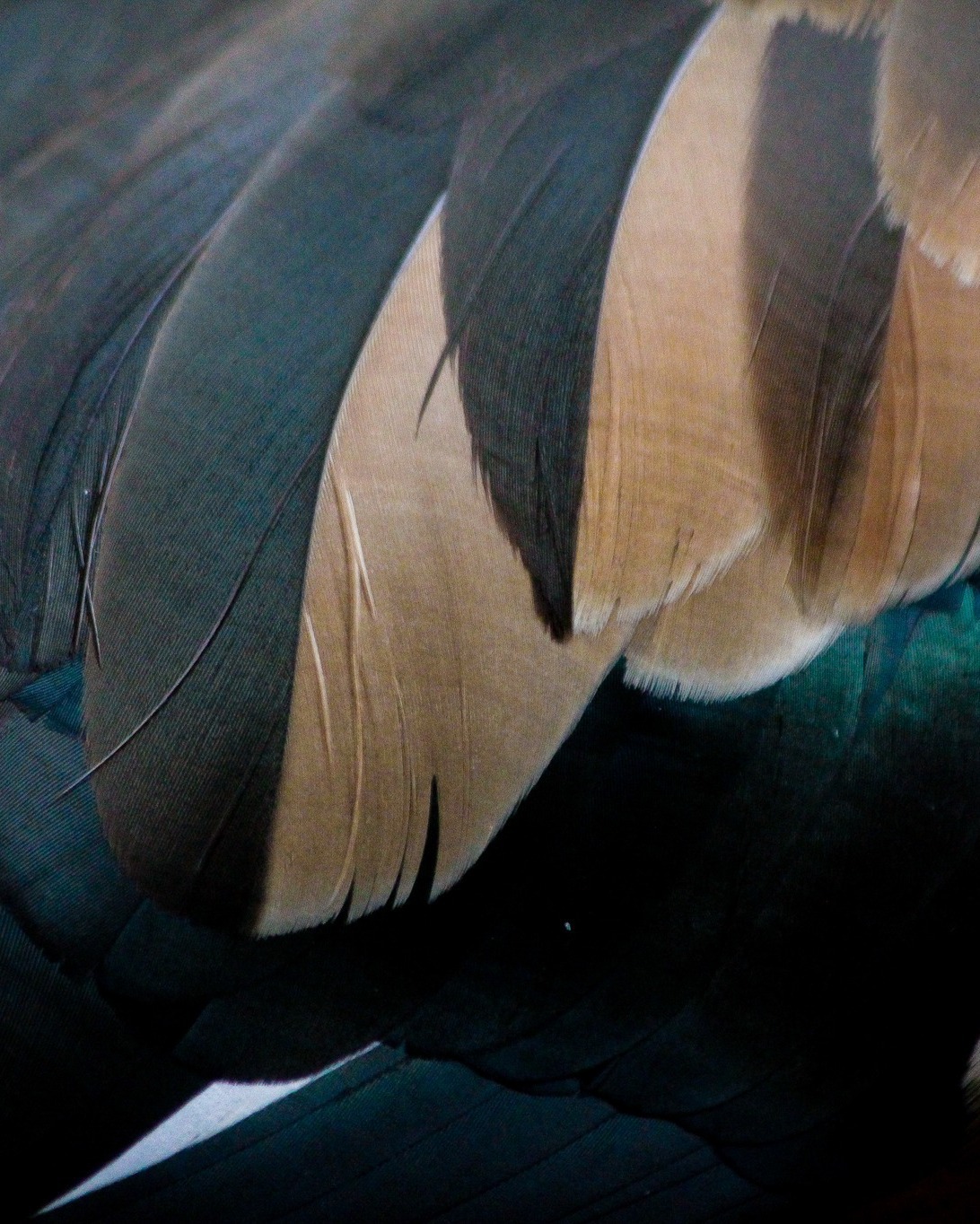
Close-up photography serves as an invaluable tool in the realm of wildlife conservation and zoology. By capturing the intricate details of animals, such as their plumage, textures, and colors, these images not only enhance our understanding but also drive public interest and involvement in conservation efforts. Seeing these creatures up close fosters a deeper appreciation for the natural world, motivating us to preserve their habitats and ensure their survival.
The distinctive features and adaptations of different animal species often reveal their specialized roles in an ecosystem. For instance, the vibrant feathers of certain bird species are not just for show; they play a role in mating rituals and camouflage. Similarly, the unique physical attributes of other species, such as the elongated neck of a giraffe, allow them to reach food sources that are inaccessible to other animals. These specialized traits are a testimony to the diversity of life and the complexity of ecosystems.
Biodiversity is a cornerstone of healthy ecosystems. A variety of species ensures resilience and stability, enabling ecosystems to withstand environmental changes and pressures. Each species, through its interactions and roles, contributes to the intricate web of life. Biodiversity supports essential ecosystem processes such as pollination, nutrient cycling, and soil formation. The loss of a single species can have cascading effects, disrupting these processes and impacting other species and the habitat as a whole.
Wildlife conservation is a focal point in safeguarding our planet’s biodiversity. Conservation efforts aim to protect species from extinction, preserve critical habitats, and mitigate human-induced pressures such as habitat destruction and climate change. By supporting conservation programs, individuals and communities can play a direct role in maintaining biodiversity. Education and awareness are vital components, empowering people to take action and make informed decisions that benefit both wildlife and human populations.
Incorporating these elements, ¿Adivina quién es? presents an intriguing challenge: identifying animals based on subtle visual cues and details. This exercise not only sharpens observational skills but also highlights the importance of recognizing and valuing the diversity in the animal kingdom. Engaging with this type of interactive content can inspire curiosity and a greater commitment to wildlife preservation.
*****
Source Description
¿Adivina quién es? 👀🪶
Hoy te traemos un close-up para que aprecies las increíbles diferencias que hacen única a cada especie.💚 ¡Desliza para descubrir más detalles y verla de cerca! 👀
¿Te atreves a adivinar de qué animales se trata? ¡Te leemos!💭
.
.
.
