
- The rich biodiversity of Oklahoma’s ecosystems
- The importance of pollinators and their habitats
- Simple actions to support wildlife conservation
- The role of community initiatives in ecological protection
- The impact of individual choices on the environment
Oklahoma boasts a rich tapestry of ecosystems, home to a variety of mammals, birds, reptiles, amphibians, and countless invertebrates. This diversity is striking and varies from the pine-covered mountains in the east to the grasslands and wetlands scattered across the state. Each habitat supports its unique species, contributing to a stable ecological balance. However, changes in land use and climate can threaten these intricate systems. Acknowledging Oklahoma Day—though it may be a day late—is a reminder of the urgent need to protect this diverse ecosystem.
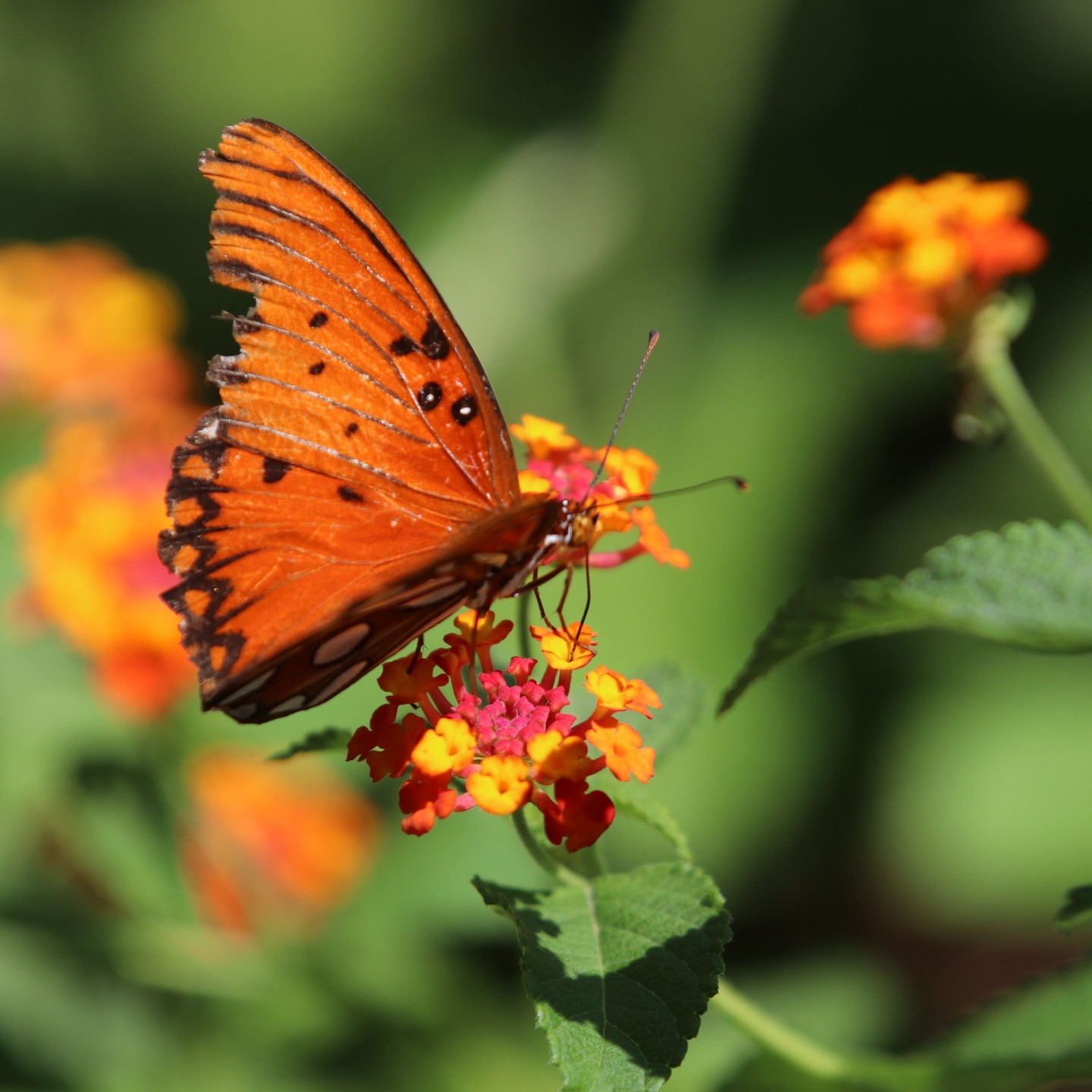
Pollinators are crucial to maintaining Oklahoma’s biological diversity. They play an essential role in plant reproduction, which directly impacts food supply and habitat availability. Pollinators, including bees, butterflies, and even bats, facilitate the growth of wildflowers, crops, and trees. Their decline poses a real risk to both natural and agricultural systems. By planting pollinator-friendly plants in gardens and public spaces, individuals can contribute significantly to supporting these essential species. Gardens featuring native flowers such as purple coneflower, milkweed, and black-eyed Susans not only beautify environments but also provide necessary habitats and food sources for pollinators.
Turning off unnecessary outdoor lighting is another crucial action that can greatly assist migratory birds. Many species rely on natural light cues when navigating their migration routes. Artificial lights can disrupt these pathways, leading to disorientation and higher mortality rates. Reducing light pollution is a simple yet effective way to help these birds. Community awareness campaigns can educate residents about the effects of outdoor lighting, encouraging them to adopt practices that foster safer migration experiences.
Food waste remains a significant issue in today’s society, affecting not only environmental sustainability but also food security. By reducing food waste, individuals can contribute to conservation in meaningful ways. Shopping with intention means purchasing only what you intend to consume, reducing excess that often ends up in landfills. Composting is another beneficial practice. The Oklahoma City Zoo serves as a compost drop-off location, allowing residents to recycle their kitchen scraps and yard waste. This composting process not only recycles organic material but also produces nutrient-rich soil that can support local gardens.
Recycling is equally beneficial for preserving Oklahoma’s waterways. Streams, rivers, and lakes serve as crucial habitats for aquatic life. Pollutants such as plastics and chemicals can severely harm these ecosystems, contributing to declines in fish and other aquatic species. Recycling helps mitigate this impact by keeping harmful materials out of the waste stream and ensuring they are used to create new products instead. Educating the community on proper recycling practices is vital for fostering a culture of environmental stewardship. Local workshops can provide insight into effective recycling methods, emphasizing the importance of keeping Oklahoma’s waterways clear and healthy.
Community initiatives play an essential role in promoting ecological protection. Organizations like WildCare Oklahoma work tirelessly on wildlife rehabilitation, education, and conservation efforts. Collaborations between local governments, schools, and nonprofits create pathways for comprehensive conservation strategies. Programs that focus on outdoor education empower young people to appreciate and advocate for local wildlife. These initiatives often feature hands-on learning opportunities, fostering a sense of responsibility and commitment to environmental stewardship among future generations.
Individual choices have a far-reaching impact on the environment. Small actions, when multiplied by a community, lead to significant changes. Every person can make a difference by adopting sustainable practices, whether it’s through gardening, reducing waste, or participating in local conservation efforts. Organizing community clean-up days can rally volunteers to clean parks and waterways, fostering a collective sense of purpose. Through social media campaigns, residents can share their efforts, inspiring others to take similar steps.
The rich ecosystems of Oklahoma require ongoing commitment and dedication from citizens. Beyond just enjoying the natural beauty, taking an active role in conservation helps promote a sustainable future. Whether planting native gardens, reducing food waste, or recycling, every step taken is significant. The actions we implement year-round contribute to maintaining the biodiversity and health of Oklahoma’s natural landscapes.
Educational outreach is vital in changing perceptions surrounding wildlife and conservation. Programs in schools can integrate lessons about Oklahoma’s ecosystems, helping children understand their role in maintaining environmental health. Projects like creating habitats for local species and studying the effects of pollution in nearby waterways can evoke a deep connection between students and their natural surroundings. Such involvement lays the foundation for a generation dedicated to conservation.
In summary, while Oklahoma Day serves as a celebration of local biodiversity, it also acts as a call to action for ongoing efforts. The interplay between human activity and wildlife health highlights the necessity of sustainable practices. Engaging in ecology-focused activities not only enriches individual lives but also strengthens community bonds. Together, through informed choices and collaborative efforts, Oklahomans can contribute to preserving the state’s remarkable ecosystems for generations to come.
Building a culture of environmental stewardship in Oklahoma doesn’t require grand gestures; rather, it thrives on everyday actions. The collective efforts of individuals and communities ultimately shape the landscape of conservation. Making conscious decisions in daily life can have lasting implications for the ecosystems we cherish. With each effort, we contribute to a legacy of protection and appreciation for the unique biodiversity that Oklahoma embodies.
Celebrating Oklahoma Day reminds us of the interconnectedness of all living organisms. It inspires not just recognition of what makes Oklahoma beautiful, but also the resolve to defend it. The path forward relies on collective action—by citizens, communities, and organizations committed to preserving the natural world. As awareness grows and participation expands, the future of Oklahoma’s biodiversity can flourish.
*****
Source Description
We may be a day late, but we couldn’t miss Oklahoma Day!
Oklahoma has an incredibly beautiful and diverse ecosystem of mammals, pollinators, birds, reptiles and so much more! It’s important that we protect our ecosystem not only for wildlife but for future generations as well. There are big and small steps that you can take to help protect Oklahoma and all of its residents:
🦋Plant pollinator friendly plants in your gardens
💡Turn off unnecessary outdoor lighting to help migrating birds
🍌Reduce your food waste by buying what you eat and eating what you buy
🗑Try your hand at composting! The OKC Zoo is a compost drop off location
♻️Recycle to help keep waterways clear for our aquatic friends
Whether big or small, your actions always make a difference on Oklahoma Day and year-round!
📷: Photo Crew Cheryl, Tom, Shea, and Andrea and Jesse Pline, WildCare Oklahoma
