
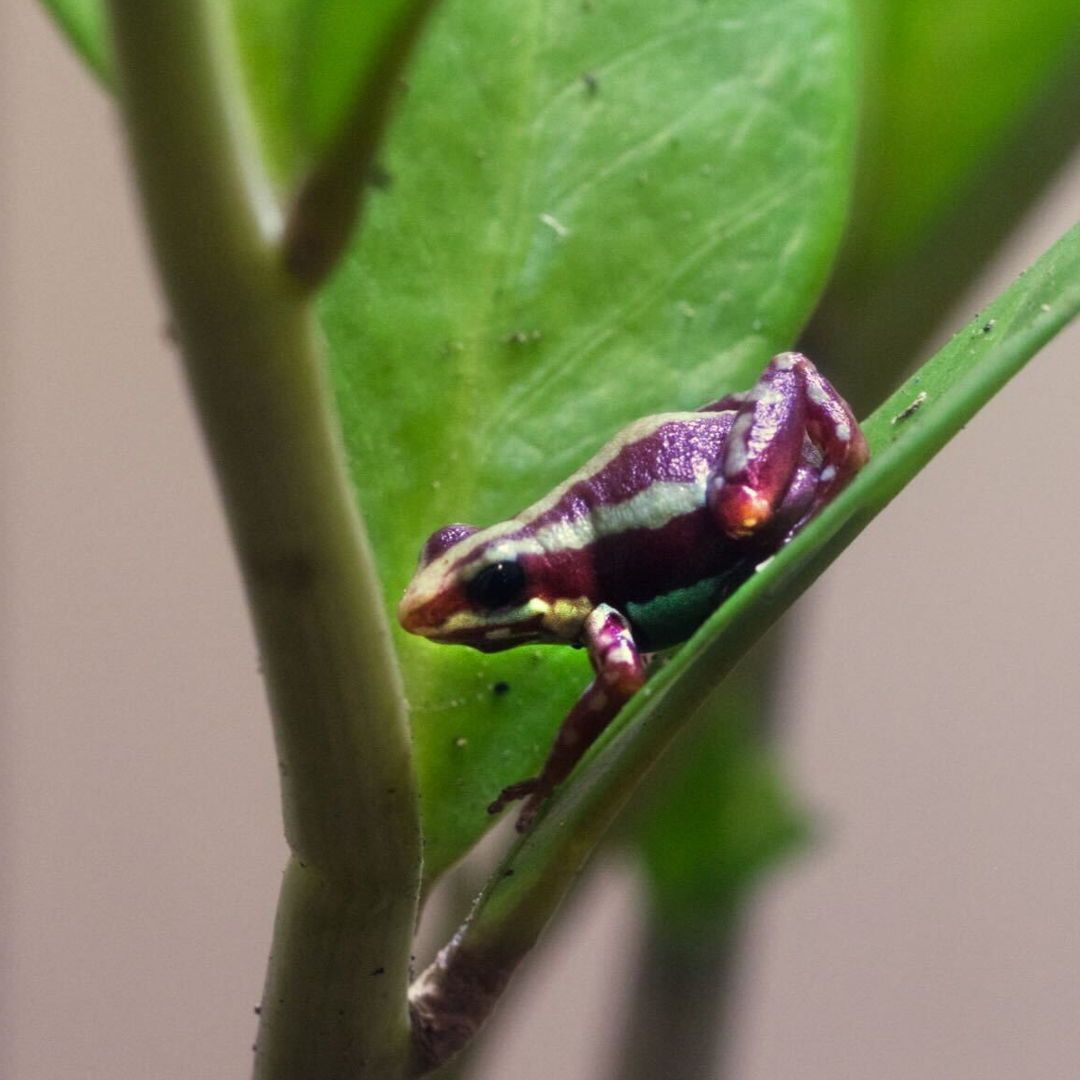
- The vibrant coloration of poison dart frogs serves as a warning sign to potential predators.
- The biochemical mechanisms behind the toxicity of these frogs are complex and fascinating.
- The ecological role of poison dart frogs emphasizes their importance in the ecosystem.
- Threats to poison dart frogs from habitat loss and climate change have significant implications.
- Conservation efforts play a crucial role in maintaining the populations of these colorful amphibians.
The vibrant coloration of poison dart frogs serves as a warning sign to potential predators. Bright patterns in the natural world often indicate toxicity, and poison dart frogs are no exception. These frogs exhibit a wide array of colors, ranging from striking yellows and reds to deep blues and blacks. Such pigmentations are not just for show; they function as a deterrent. Predators that attempt to eat these brightly-patterned amphibians quickly learn to associate vivid colors with unpleasant consequences, such as nausea or death. This defensive strategy is termed aposematism, and it provides poison dart frogs with a significant survival advantage, resulting in fewer natural enemies.
The most visually stunning poison dart frogs typically belong to the Dendrobates genus, including well-known species like the golden poison dart frog and the blue poison dart frog. Their bright appearances are often linked to their evolutionary history in the tropical rainforests of Central and South America, where they thrive among the lush vegetation. The stark contrast of their colors against the green backdrop of the rainforest not only attracts the eye but also serves as a warning signal to potential threats. Therefore, their brilliant patterns are integral to their survival and ecological niche.
The biochemical mechanisms behind the toxicity of these frogs are complex and fascinating. Poison dart frogs owe their potent toxins primarily to alkaloids, a group of naturally occurring compounds. The frogs obtain these alkaloids through their diet, consuming various insects such as ants, termites, and centipedes that carry the toxins. This means that poison dart frogs raised in captivity on a diet of non-toxic insects do not develop their characteristic toxicity. The most famous of these alkaloids is batrachotoxin, found in the golden poison dart frog. This toxin is considered one of the most potent naturally occurring substances, and even a small amount can be lethal to humans.
Researchers have extensively studied the biochemistry of these frogs, uncovering the ways toxins are synthesized and stored. Understanding these mechanisms has not only advanced our knowledge of amphibian biology but has also led to insights into potential medical applications. For instance, the compounds found in the skin secretions of these frogs have garnered interest for their analgesic properties. Scientists are exploring how these compounds can be utilized in pain management therapies, potentially revolutionizing the medical field.
The ecological role of poison dart frogs emphasizes their importance in the ecosystem. By participating in the food web as both prey and predators, they contribute to the balance of their habitats. Poison dart frogs consume smaller invertebrates, helping to control insect populations. Their role as both a food source for larger predators and a regulator of the ecosystem underscores the interconnectedness of all species within an environment. This dynamic interplay is crucial for maintaining biodiversity and resilience in tropical ecosystems.
These frogs are also considered indicator species. Their presence and health reflect the broader condition of the ecosystem. Because amphibians are highly sensitive to environmental changes, poison dart frogs can indicate the health of their habitats. Declines in their populations often signal larger ecological issues, including habitat degradation, pollution, and climate change. Conservationists and ecologists closely monitor poison dart frog populations to gauge the health of their ecosystems.
Threats to poison dart frogs from habitat loss and climate change have significant implications. Forest destruction due to logging, agriculture, and urban development continues to threaten these amphibians and their environments. The loss of suitable habitat not only diminishes the availability of food sources but also restricts breeding sites. In addition, climate change poses a severe risk, altering rainfall patterns and temperature regimes, leading to habitat fragmentation. Such changes can disrupt the delicate balance that these frogs require for survival.
As many species of poison dart frogs are facing declines, conservation efforts are becoming increasingly crucial. Conservation programs often focus on habitat protection and restoration, as well as breeding programs in captivity. Organizations engaged in herpetological conservation are working with local communities to promote sustainable land-use practices that minimize environmental impact. Education and outreach initiatives are also vital, fostering awareness about the ecological significance of poison dart frogs and the threats they face.
Captive breeding programs are essential for certain endangered species. They offer a pathway to bolster declining populations and reintroduce frogs into their natural habitats. These programs require careful planning and execution, as they must simulate natural conditions to ensure that the frogs can adapt once released.
The collaborative efforts of governments, NGOs, and local communities are important in these conservation strategies. By working together, they can influence policies that protect habitats and enhance awareness of biodiversity. Protecting ecosystems not only helps poison dart frogs but also preserves countless other species that share their environment.
In summary, poison dart frogs are remarkable creatures not only because of their colorful appearances but also due to their complex biology and vital role in ecosystems. Understanding their ecology, the mechanisms of their toxicity, and the challenges they face allows us to appreciate these amphibians fully. The vibrancy of poison dart frogs serves as a compelling reminder of the intricate relationships in nature and the urgent need for conservation. Ensuring the survival of these striking creatures will undoubtedly benefit the entire ecosystem. As we move forward, fostering an appreciation for biodiversity and promoting conservation efforts will ensure that future generations can also marvel at the colorful spectacle these frogs provide.
*****
Source Description
Don’t adjust your screen, this frog is really that colorful! 🐸🎨
The bright patterns of the poison dart frog are a natural warning sign. That name is no joke, these little frogs are extremely poisonous! The vibrant colors that adorn poison dart frogs helps warn predators not to eat them. As a result, they have few if any natural predators.
