
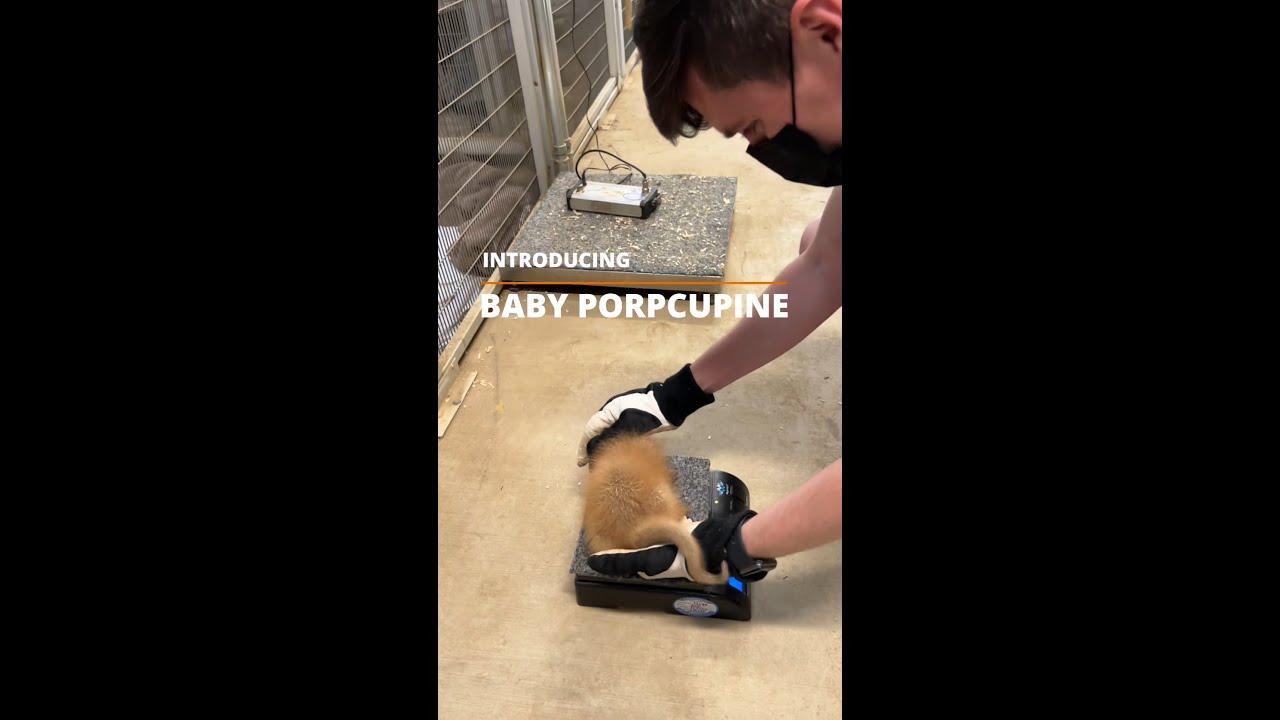
- Introduction to the baby porcupine and its significance in video content
- Understanding porcupines: biology, behavior, and habitat
- The role of zoos in wildlife conservation and educational outreach
- Challenges faced in breeding and caring for porcupines in captivity
- Conservation efforts and the importance of public awareness
Porcupines are among the most intriguing rodents, known for their distinctive quills and nocturnal habits. The fascination with these creatures is well captured in the "Meet Our Baby Porcupine #shorts" series. This content offers an engaging way to learn about baby porcupines, providing educational insights and fostering appreciation for wildlife.
Porcupines have a unique defense mechanism – their quills. Unlike common belief, porcupines do not shoot their quills. These are modified hairs that detach easily upon contact as a self-defense strategy. Quills are a primary reason these animals can often escape predators unscathed.
Porcupines are native to various regions, including North America, South America, Europe, and Asia. They are divided into two families: Hystricidae (Old World) and Erethizontidae (New World). Old World porcupines are generally larger and ground-dwelling, while New World ones can be found in trees. Understanding their geographic distinctions enriches our knowledge of their adaptations and survival strategies.
Zoos play a crucial role in wildlife conservation by hosting breeding programs that support genetic diversity. These efforts help preserve species threatened by habitat loss and poaching. The baby porcupine shown in video content is part of wider breeding initiatives that ensure healthy populations.
One of the main challenges in zoo environments is replicating the natural habitats of porcupines. These creatures require specific diets and environments to thrive. Careful attention is given to providing enrichment activities that stimulate natural behaviors, enhancing their quality of life in captivity.
Breeding porcupines involves monitoring diet, health, and behavior. A balanced diet rich in fruits, vegetables, and roughage is essential. Regular health checks are vital to detect and address any issues early on. Keepers engage in continual learning to refine enrichment activities and meet behavioral needs.
Zoo programs also emphasize public education, informing visitors about the role of porcupines in the ecosystem. This approach fosters an appreciation for biodiversity and the need for its protection. Interactive exhibits and digital content like "Meet Our Baby Porcupine #shorts" reach broader audiences, sparking interest and support for conservation efforts.
Public awareness is pivotal for successful conservation initiatives. Educating people about threats like habitat destruction and illegal wildlife trade encourages responsibility towards sustaining wildlife. When communities understand the role of institutions in conservation, they are more likely to support these initiatives.
Conservation is not just about protecting animals in captivity but also involves reintroducing species into their natural habitats. This process requires collaboration with environmental agencies and local communities to ensure safe, sustainable environments.
The baby porcupine videos illustrate the delicate balance between entertainment and education. By appealing to various audiences through accessible platforms, these efforts create a deeper understanding and connection with wildlife. Porcupines, with their fascinating quills and gentle nature, serve as ambassadors for broader environmental issues.
In summary, the "Meet Our Baby Porcupine #shorts" effectively combine entertainment with critical messages about wildlife conservation. Through understanding the biology, behavior, and role of porcupines in the environment, audiences gain valuable insights. Zoos, with their conservation and public education efforts, play a central role in ensuring the survival of species like porcupines. These initiatives highlight the importance of biodiversity and engage audiences in meaningful ways to foster a lasting legacy of conservation awareness.
*****
Source Description
Have you ever seen a baby prehensile-tailed porcupine? We’re so excited to announce another exciting birth from our Animal Ambassador program. 🥰 😍
