
Summary of THE NUTS AND BOLTS OF CONSERVATION:
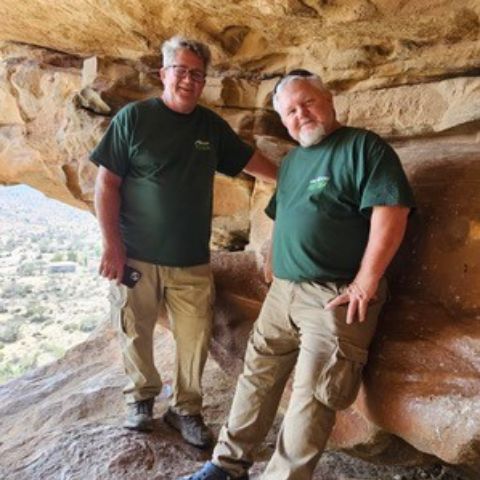
The content discusses the different forms of conservation, focusing on a trip by OKC Zoo technicians Kenneth Kelley and Billy McFarland to Somaliland to aid the Cheetah Conservation Fund (CCF). They traveled to the CCF Rescue and Rehabilitation Center to help construct a low water crossing vital for safely accessing the facility during rainy seasons, while also bringing veterinary supplies and construction tools. Their mission included teaching local workers skills in concrete construction, fostering professional growth. Throughout their stay, they engaged with the wildlife and built connections with local staff, leaving behind a fire pit and benches as a lasting legacy. The OKC Zoo highlights its commitment to cheetah conservation, participating in various support programs and emphasizing the importance of teamwork in wildlife conservation efforts.
- Conservation manifests in various ways including financial support, volunteering, and advocacy.
- The OKC Zoo’s conservation efforts were highlighted through the experiences of technicians Kenneth Kelley and Billy McFarland in Somaliland.
- Key activities at the Cheetah Conservation Fund include addressing the illegal cheetah trade and supporting rehabilitation efforts.
- The skills transfer initiative aids local workers, creating sustainable community knowledge and building capacity.
- Cheetah conservation efforts by institutions like the OKC Zoo highlight the importance of collaboration and financial support for wildlife rehabilitation.
Conservation encompasses numerous approaches that benefit wildlife and the ecosystems they inhabit. It ranges from making financial contributions to organizations dedicated to wildlife preservation to volunteering time and advocating for policies that protect endangered species. While many engage in these activities, the Oklahoma City Zoo (OKC Zoo) provides a compelling example of hands-on conservation work. Through the experiences of two of its technicians, Kenneth Kelley and Billy McFarland, we gain insight into a unique conservation mission in Somaliland focused on rehabilitating cheetahs.
In February 2023, Kenneth and Billy traveled from the U.S. to the Geed Debble Cheetah Conservation Fund (CCF) Rescue and Rehabilitation Center near Hargeisa, Somaliland. Their trip, funded partly by a grant from the Ad Astra Foundation, underscores the importance of international cooperation in wildlife conservation. The CCF’s facility is a critical operation involved in rescuing illegally trafficked cheetah cubs seized by local authorities intent on curbing the illegal wildlife trade.
In preparation for this trip, Kenneth and Billy carried with them 150 pounds of veterinary supplies and construction tools generously donated by a local Lowe’s Hardware. These supplies were essential for supporting both daily operations at the CCF and for constructing a vital low water crossing. Kenneth aimed to facilitate safer access for CCF staff across a gulley that becomes dangerously impassable during heavy rains.
Describing the environment, Kenneth noted the beautiful desert landscape of Somaliland, likening it to the terrain of New Mexico. However, he was also acutely aware of the climate, remarking on the intense heat. This gradual acclimatization enabled him and Billy to work effectively in the challenging conditions, reminding us that logistics and practicality are paramount in conservation projects.
The low water crossing constructed by Kenneth and Billy played a pivotal role for CCF staff. When heavy rains flood the area, access to crucial sections of the compound can become impossible. Kenneth provided insight into the urgency of the construction: "During the rainy season, there’s a creek that runs through the middle of the compound; it gets a few feet deep and flows at 45 miles per hour," he said. Such conditions underscore the importance of functional infrastructure in wildlife rehabilitation efforts.
Utilizing the construction tools they brought, as well as locally sourced materials, Kenneth and Billy collaborated with a local crew to complete the crossing in just 12 days. Interestingly, they overcame a language barrier through creative communication, enabling effective teamwork. This experience highlights the importance of adaptability in conservation efforts, as cultural and linguistic differences can pose challenges during international projects.
Billy’s engagement with local workers Hassan and Sahid symbolized a significant aspect of their mission: skills transfer. By teaching these workers the necessary construction skills, Kenneth and Billy contributed to a long-term impact on the community’s capacity for infrastructure development. Billy articulated the broader impact of this initiative: “Teaching these men skills that they didn’t have allowed them to grow professionally and to further the mission of the Cheetah Conservation Fund.” This model of empowerment reinforces the notion that conservation work is more than just animal rescue; it includes fostering sustainable practices and local expertise.
Each evening during their stay, Kenneth and Billy explored the surrounding area. They drove through the compound, witnessing the wildlife that included gazelles, warthogs, and a variety of birds. Such encounters highlight the rich biodiversity of Somaliland and the ongoing need for habitat preservation.
A notable moment for Kenneth was reconnecting with two cheetahs named Bronx and Oklahoma, who had arrived as cubs during his initial visit. Witnessing their growth at the facility demonstrated the tangible results of conservation work. It emphasized the need for ongoing support in both animal rehabilitation and habitat conservation.
Upon completing their construction project, the team signed the concrete slab, marking a physical testament to their work. This ritual not only bestowed a sense of ownership and pride among local workers but also reinforced the importance of community involvement in conservation initiatives. Encouraging local engagement is critical in promoting lasting positive changes in wildlife management.
Addressing the broader context of cheetah conservation reveals significant statistics: cheetahs are classified as a vulnerable species. Their populations are declining due to habitat loss, human-wildlife conflict, and accidents. Organizations like the OKC Zoo actively participate in global conservation efforts to combat these challenges. The zoo engages in initiatives such as the Round Up for Conservation Fund, whereby guests can donate the spare change from their purchases. These contributions have bolstered programs like CCF and Cheetah Conservation Botswana.
The OKC Zoo further contributes to cheetah conservation through its species management programs. It participates in the Association of Zoos and Aquariums (AZA)’s Species Survival Plan® and the Cheetah SAFE initiative (Saving Animals From Extinction). These collaborations showcase the importance of coordinated efforts among accredited institutions to maintain genetic diversity and increase the populations of endangered species.
Visitors to OKC Zoo can see cheetahs on display and learn about the various initiatives aimed at preserving these magnificent animals. The zoo’s involvement highlights the need for awareness-building within local communities as well as among visitors and the general public.
Conservation extends far beyond mere animal rescue. It underscores the interconnectedness of ecosystems and the necessity for a comprehensive approach to environmental stewardship. Engaging in international wildlife rehabilitation efforts—and showcasing those stories—fosters a culture of conservation.
Through efforts like those of Kenneth and Billy at the CCF, we can observe how essential skill transfer, community involvement, and strong partnerships are in creating a sustainable future for wildlife and their habitats. Advocating for these animals and their ecosystems relies on educating the public, enhancing local capacity, and ensuring continuous financial support for successful conservation strategies.
Ultimately, the example set by the OKC Zoo emphasizes that constructive, community-centric approaches are vital in conservation work. By supporting not only the cheetahs but also the local communities surrounding conservation centers, broader ecological health can be achieved. Collectively, we can work towards a future in which both wildlife and people thrive together.
