
- The ecological significance of red wolves in their habitat
- Dietary habits and feeding behavior in red wolf families
- The role of parental investment in red wolf development
- Conservation efforts for red wolves and their importance
- Engaging the public: Opportunities to contribute to red wolf conservation
The red wolf (Canis rufus) is a fascinating species that not only plays a vital role in its ecosystem but also faces significant challenges due to habitat loss and human intervention. This article will explore the ecological significance of red wolves, their feeding behaviors, parental roles, and ongoing conservation efforts, while inviting the public to engage in these efforts.
The ecological significance of red wolves in their habitat is profound. As apex predators, they help maintain the balance within their ecosystems. Red wolves primarily prey on smaller mammals such as rabbits, rodents, and raccoons. By controlling these populations, red wolves prevent overgrazing and help promote healthy plant growth, which in turn benefits other species that depend on those plants. This predator-prey dynamic influences the structure and health of an entire ecosystem, making the red wolf a keystone species.
Despite their ecological importance, red wolves have faced a dramatic decline in population. In the early 20th century, their numbers dwindled to fewer than 20 individuals due to habitat destruction, hunting, and competition with coyotes and domestic dogs. Conservation efforts have focused on reintroducing red wolves to their original ranges, particularly in North Carolina, to restore their populations and the ecological balance they support.
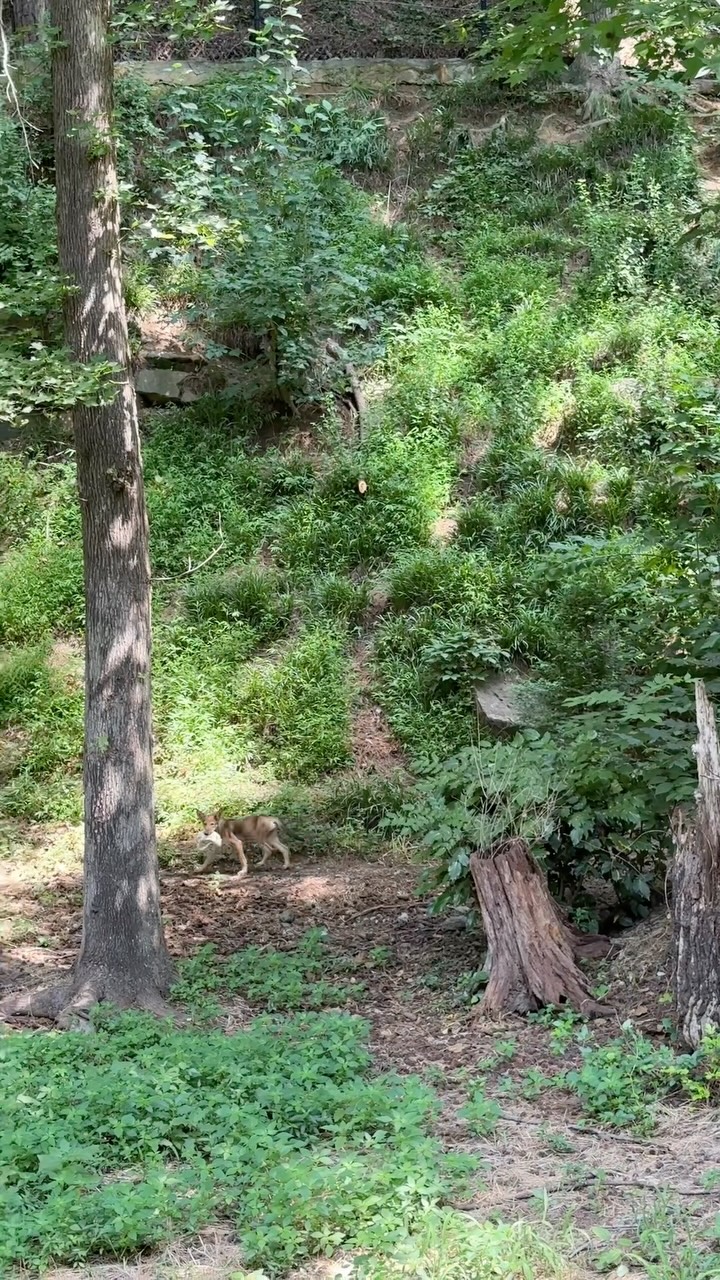
Dietary habits and feeding behavior in red wolf families are also noteworthy. Red wolf dad Oka (M2048) exemplifies these habits by bringing food—such as a rat—to the den for his mate Martha (F2242) and their pups. This behavior highlights a fascinating aspect of red wolves: independence in their dietary routines as they transition from nursing to eating solid foods. While the pups begin to consume solid meals, they still benefit from the partially-digested food their parents provide. This regurgitated food is easier for young pups to digest, enhancing their nutritional intake during critical growth phases.
The feeding strategy exhibited by red wolves is not merely an act of sharing food; it’s integral to their social structure and survival. The family unit, or pack, relies on cooperation for hunting and foraging. A successful hunt benefits all members, and sharing food reinforces social bonds. The pups learn vital survival skills during this process, preparing them for their future roles in the pack.
Parental investment in red wolf development is a cornerstone of their social structure. Both parents play active roles in nurturing and protecting their young. Mothers typically focus on nursing and caring for the pups in the early months, while fathers often serve as providers, hunting and bringing food back to the den. This cooperative parenting structure enhances the survival rate of the pups. Studies indicate that pups raised in such nurturing environments tend to be healthier and more resilient.
As pups grow, they become increasingly involved in family dynamics, participating in play that fosters social skills. This interaction is vital for teaching pups about their environment, and the pack’s behaviors, which are necessary for their survival in the wild. Supportive familial structures afford these young wolves the best opportunities for growth, safety, and eventual independence.
Despite these incredible adaptations and familial strategies, red wolves are still critically endangered. Conservation efforts are essential for the species’ survival. The U.S. Fish and Wildlife Service launched various programs aimed at rebuilding red wolf populations through captive breeding, habitat restoration, and public education. Captive breeding programs have played a significant role, involving breeding individuals in controlled environments before reintroducing them to the wild.
Habitat restoration is another crucial component of conservation. Ensuring that red wolves have safe, open spaces to roam is vital for their survival. Protecting and restoring their natural habitats allows them to hunt and establish territories without conflict with human development.
Public engagement is also central to conservation efforts. Initiatives like raffles for the opportunity to name red wolf pups not only raise funds for conservation work but also raise awareness about the importance of preserving these animals and their habitats. When communities engage with red wolf stories, they become more invested in the overall health of their ecosystems.
Encouraging individuals to participate goes beyond mere donations. Educational programs that promote understanding of red wolf behavior, ecology, and conservation activities can inspire action. These programs can be significant in changing perceptions about red wolves, emphasizing their role in preserving wildlife, and dismantling myths that paint them as threats.
As red wolf dad Oka brings that rat to the den, this simple act transcends mere survival. It embodies the intricate dance of ecological relationships, parental investment, and community involvement that can lead to a brighter future for red wolves. Through understanding their dietary habits, social structures, and the importance of conservation efforts, we can help ensure that Oka, Martha, and their pups continue their story for generations to come. The participation of the public in naming pups through raffles not only brings personal connection but also aids in funding these essential conservation programs.
The plight of the red wolf reminds us of our responsibility towards wildlife conservation. Engaging with these efforts allows us to become part of a larger narrative—a narrative that recognizes the interconnectedness of life on our planet. By supporting red wolf conservation, we promote biodiversity and ecological integrity, essential not just for red wolves but for the health of ecosystems everywhere.
Understanding these themes helps to underscore the complexities of wildlife management and the profound impacts of individual species on broader ecological landscapes. Through commitment to responsible conservation practices and enhanced public awareness, we can contribute to the preservation of this iconic species and the environments they inhabit.
*****
Source Description
What’s yours is mine 😌
Red Wolf dad Oka (M2048) brings a rat to the den for Martha (F2242) and the pups, but someone has another idea in mind! The pups are eating solid foods more and more regularly, but they still partake of the partially-digested meals they parents provide.
Want to be part of their story? Buy a raffle ticket at the link in our bio to be entered for a chance to name one of the Red Wolf pups! Raffle closes Tuesday, July 15, at noon ET.
