
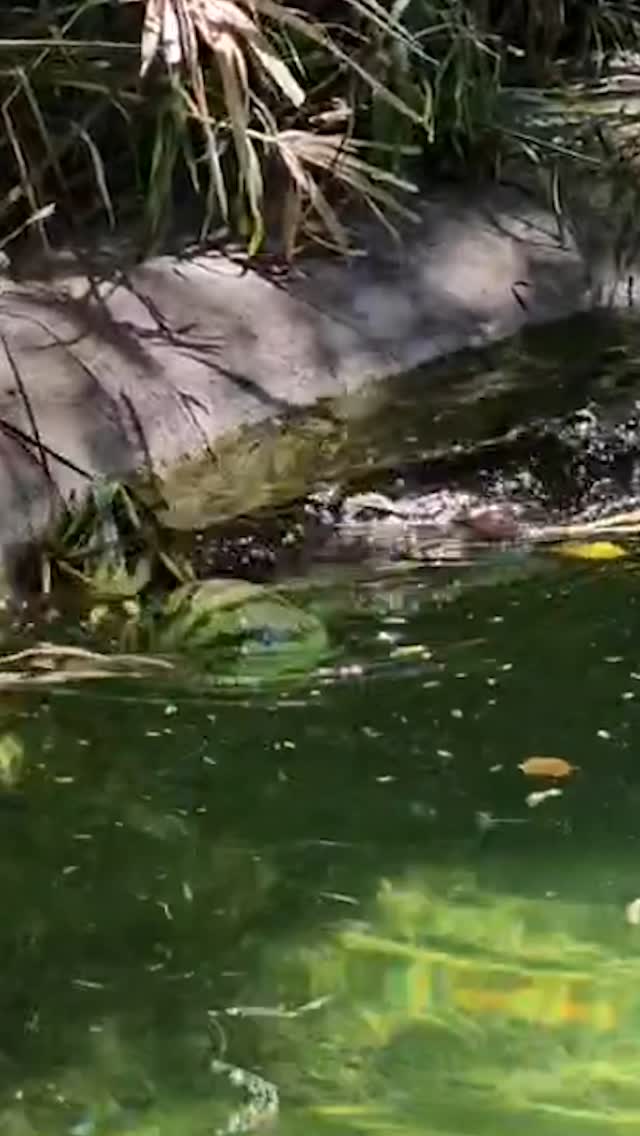
- Watermelon Wednesdays: A Fun Enrichment Activity for Zoo Animals
- The Benefits of Enrichment in Animal Care and Well-Being
- Bayou the Alligator: A Spotlight on Animal Behavior and Habitat
- Behind the Scenes: Zoo Management and Caregiver Roles
- Wildlife Conservation: The Importance of Engaging the Public
Watermelon Wednesdays have become a delightful highlight of the summer season at the zoo. Each Wednesday, animals are treated to sliced watermelon, providing them with both a nutritious snack and an enjoyable activity. This initiative showcases how enrichment practices can benefit animal welfare. Enrichment, a crucial element of modern zoo management, fosters natural behaviors and promotes overall well-being in animals.
Enrichment serves multiple purposes. It engages animals mentally and physically, simulating challenges they might face in the wild. Enrichment activities can vary widely, from providing different food items to altering habitats with new structures, scents, and textures. The act of consuming watermelon not only stimulates animals’ natural foraging instincts but also provides hydration during hotter months. The fresh fruit attracts many spectators, emphasizing the zoo’s commitment to providing a vibrant environment for its inhabitants.
Among the participating animals, Bayou the alligator is an unexpected yet engaging participant. Alligators, often perceived as lethargic creatures, exhibit fascinating behaviors when offered watermelon. These reptiles belong to the Crocodylidae family and are native to freshwater habitats, including swamps, marshes, and rivers. In their natural environments, alligators primarily consume fish, birds, and small mammals. However, during Watermelon Wednesdays, Bayou savors this seasonal treat, showcasing his adaptability to dietary variety and enhancing the visitor experience.
Observing Bayou’s interactions with watermelon offers a glimpse into alligator behavior. When introduced to watermelon, Bayou engages in behaviors that signal curiosity and intelligence. He may nudge the fruit or use his powerful jaws to break it apart. These actions mimic the readjustments they make when dealing with live prey or exploring new objects in their environment. Such behaviors highlight the cognitive capabilities of alligators and the importance of stimulation in ensuring their well-being.
Zoo management plays a crucial role in crafting activities like Watermelon Wednesdays. Keepers monitor animal health and behavior closely, ensuring that enrichment activities are both safe and beneficial. Activities are often designed based on extensive research and knowledge about specific species, promoting natural instincts and behaviors. Each animal’s dietary needs are considered when planning enrichment, ensuring no adverse reactions occur from these new offerings.
Zoo caregivers, such as Keeper Sarah, play an integral role in the success of enrichment programs. These professionals are trained to understand animal behavior and health, employing observational techniques that can provide insight into animals’ preferences and comfort levels. On Watermelon Wednesdays, keepers may note which animals engage with their treats and how they interact with them. This data informs future enrichment strategies, allowing zookeepers to continually refine and enhance care practices.
The interaction between animals and enrichment activities extends beyond entertainment. This engagement fosters education and awareness among zoo visitors. Observing animals partake in Watermelon Wednesdays can help demystify misconceptions about various species. For instance, seeing Bayou’s playful interactions allows visitors to understand that alligators, while appearing intimidating, engage in playful and curious behaviors. These insights contribute to a more nuanced understanding of wildlife.
Moreover, initiatives like Watermelon Wednesdays are powerful tools for conservation. They inspire visitors to appreciate the natural behaviors of animals and foster a deeper connection with wildlife. Such engagement encourages the public to support conservation efforts—both locally and globally. As awareness of animal behaviors increases, so does advocacy for protecting their natural habitats. The zoo serves as a platform for educating the community about the broader challenges facing wildlife today.
Animals like Bayou represent species under threat due to habitat loss, climate change, and pollution. By showcasing these creatures and their behaviors, zoos provide a compelling narrative that connects the public to essential conservation issues. Engaging activities compellingly contextualize the need for wildlife preservation and habitat protection.
Impactful educational programs extend beyond in-person experiences. Social media platforms, including Instagram, allow zoos to share videos of Watermelon Wednesdays, reaching larger audiences. By sharing content, zookeepers can foster conversations about animal care and conservation. This digital presence invites broader participation, encouraging people to support causes that extend past their local confines.
In recent years, the zoo community has witnessed a growing emphasis on cooperative conservation. This approach sees institutions working together to share resources, research, and techniques aimed at effective wildlife management and education. Watermelon Wednesdays reflect this spirit through collaborative programming across various zoos. By sharing successes and challenges in enrichment, the zoo community fosters an understanding that enriches not only the animals in their care but enhances public comprehension of wildlife needs.
Moreover, Watermelon Wednesdays serve as a model for creating future enrichment activities. Each summer, the program evolves, incorporating feedback from both animals and visitors. As zookeepers observe animal preferences, they may explore introducing other seasonal fruits or vegetables, diversifying the enrichment experience. The ongoing adjustments also mirror the ever-present goal of improving animal welfare.
The emotional and physical health of all zoo animals is paramount. By facilitating engaging learning experiences for both animals and visitors, programs like Watermelon Wednesdays contribute to a broader paradigm shift in zoo practices. The traditional view of zoos strictly as entertainment venues has transitioned into a comprehensive approach centered on animal welfare, education, and conservation.
Furthermore, engaging community members through events like Watermelon Wednesdays fosters relationships between humans and wildlife, promoting advocacy for animal welfare. Encouraging families to visit the zoo strengthens bonds in communities and increases interest in environmental stewardship. Families leave with a shared experience, often inspired to learn more about the animals they encountered and the challenges these species face in the wild.
As part of animal husbandry techniques, the importance of monitoring animal health cannot be overstated. Every piece of enrichment, including Watermelon Wednesdays, is carefully documented. This systematic approach enables keepers to track changes in behavior, health, and preferences over time. By adopting a proactive rather than a reactive stance toward animal health, zoos can ensure that creatures in their care receive the best possible administration.
Additionally, engaging animals in interesting activities cultivates an atmosphere that minimizes stress. Animals that experience less stress are often healthier, exhibiting more natural behaviors. Reduced stress levels positively impact animals like Bayou, improving their overall quality of life while providing valuable educational opportunities for zoo attendees.
By integrating playfulness into the experience, Watermelon Wednesdays remind us of the fundamental connections between animals and their habitats. Animals, even those in captivity, thrive when they exhibit their intrinsic behaviors, which naturally includes foraging. Enrichment programs emphasize the reality that even creatures like alligators, often misunderstood, require environments conducive to their needs.
Moreover, Watermelon Wednesdays are a reminder of the importance of fruit in animal diets. Watermelons are not only hydrating but also provide essential vitamins and minerals. They benefit animals by promoting digestive health while offering them a refreshing treat during hot summer months. Many species, including primates and birds, also relish the flavor and texture of watermelon, further underscoring its role in diverse diets.
Ultimately, the ongoing programming highlighted through Watermelon Wednesdays emphasizes a modern approach to zoological care. As zoos continue to adapt and adjust to the needs of their animals and their visitors, they reinforce their commitment to conservation, education, and animal welfare. Every slice of watermelon symbolizes a larger movement toward understanding and preserving our planet’s biodiversity.
The engaging festivities around Watermelon Wednesdays foster a community directly invested in the future of wildlife and conservation. Each interaction deepens connections and affirms the intrinsic value of preserving both species and their habitats. By championing these initiatives, zoos encourage a proactive approach to conservation that resonates with future generations. Enthusiastic participants—animals and humans alike—benefit from these experiences. With just a few Wednesdays left, there is still time to witness this delightful seasonal celebration and embrace the broader mission of wildlife conservation.
*****
Source Description
All the animals are getting into Watermelon Wednesdays this July, even Bayou the alligator! Thanks to Keeper Sarah for sharing this video with us. There are only 3 Wednesdays left to watch the animals enjoy this favorite summertime enrichment 🍉
