
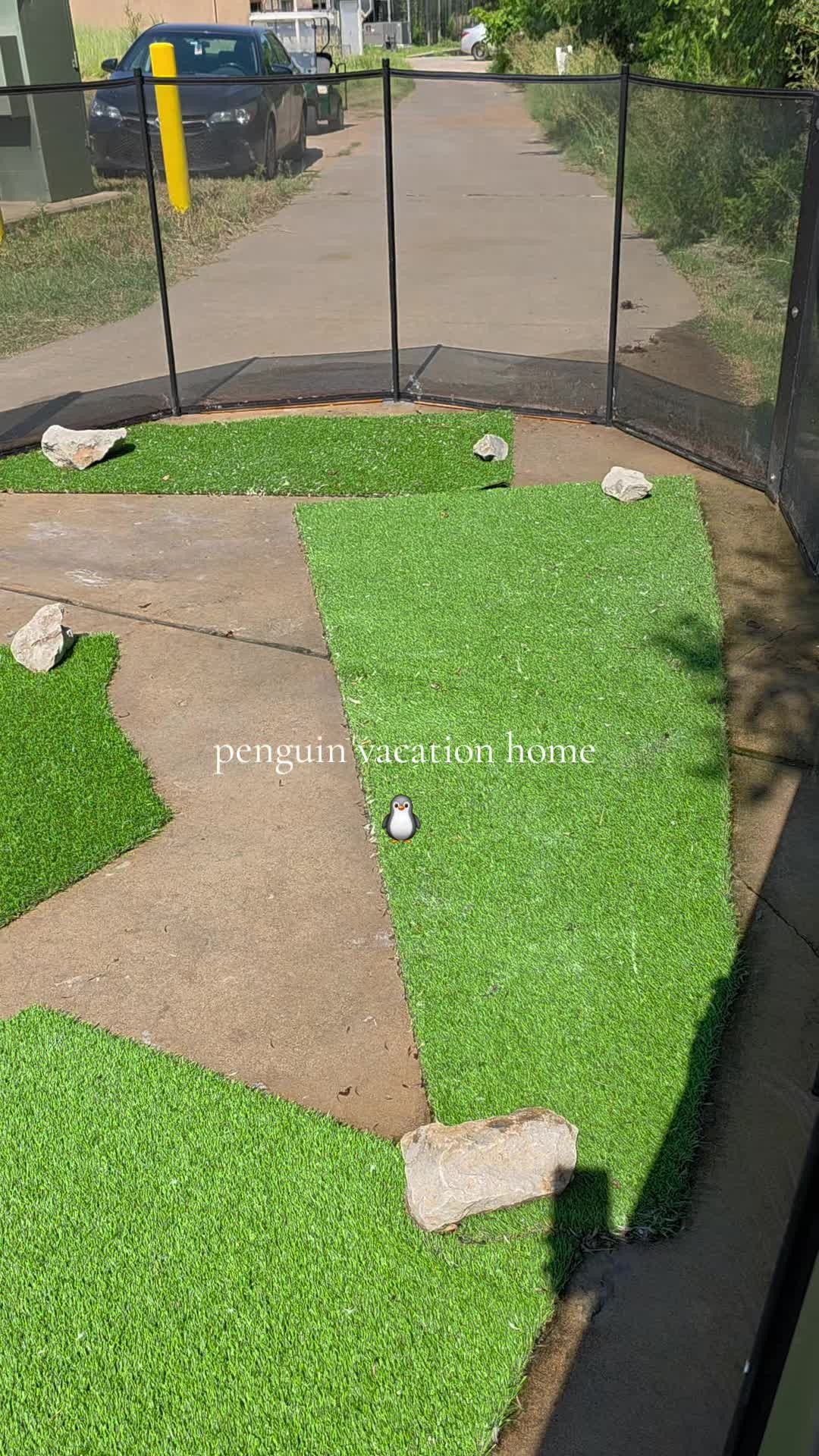
- The current vacation environment for the penguins during habitat construction
- The molting process in penguins and its significance
- Daily care and enrichment practices for zoo penguins
- Health monitoring during the molting period
- The transformation of penguins pre- and post-molt
The penguins in our care have temporarily relocated to an enriching vacation environment while their public habitat is under construction. This creative solution allows them access to pools, misters, and daily enrichment activities designed to keep them active and mentally stimulated. With ample space and attention from their animal keepers, the penguins can explore and enjoy their temporary setting. Each day mirrors the vibrant, dynamic lifestyle they experience in the wild, albeit with additional comforts.
Water features are vital for these birds, as they love swimming and diving. Pools not only provide them with a chance for exercise but also help maintain their feather condition. Misters offer essential cooling in warm weather, enhancing their comfort and well-being. This temporary space has allowed for creative exploration while still remaining safe and stable.
The focus on penguin care continues with their daily enrichment activities. Keepers rotate various toys and puzzles to stimulate their natural behaviors, such as diving, foraging, and socializing. These engagement opportunities are essential for their mental health, especially when the physical environment changes, as at this time of construction. By keeping their routines diverse, keepers foster an engaging and interactive setting.
As the penguins acclimate to their vacation environment, many are going through a normal but striking phase: molt. This annual process involves shedding all their feathers at once, resulting in various visible changes. Penguins lose feathers for a few different reasons, one being to maintain waterproofing and insulation. The timing of this event can vary, but the effects are a natural part of their life cycle, not a cause for concern.
During molt, penguins often appear chaotic, as they can look unkempt while transitioning to their new feather set. Each feather serves a purpose, contributing to the bird’s overall functionality in the wild. New feathers provide insulation and waterproofing roles that are crucial for survival in aquatic environments. Feather loss can also occur due to stress, parasites, or disease; however, when in a controlled environment like the zoo, the keepers can observe their health closely.
Health monitoring is paramount during this period of molting. Keepers assess the penguins’ appetite, weight, and overall disposition daily. Any changes in behavior can be indicators of health concerns. For instance, decreased activity levels or lack of interest in food may warrant further investigation. By closely monitoring each penguin during its molt, keepers can make informed decisions regarding nutrition and potential medical interventions, if necessary.
This heightened observation helps in identifying any discomfort or other unusual symptoms that can arise during feather loss. An unplanned drop in the penguin’s health can lead to complications, necessitating quick responses and interventions. In a public setting, ensuring the health of these animals serves as a model for responsible animal management and promotes educational outreach about ecosystem challenges facing these species in the wild.
The penguin’s transformation during molt can be striking. Those examining the feathers closely may notice the distinct “before and after” stages. A pre-molt penguin may appear scruffy and disheveled, with ragged feathers losing their pristine appearance. After completing this phase, the same penguin gains a sleek, polished look thanks to the new feathers. This transformation can spark interest and curiosity in visitors and audiences, highlighting the biological processes inherent to many avian species.
Understanding this intricate process enriches what we know about penguins. Feather quality affects insulation and buoyancy, directly impacting their survival. Penguins rely upon high-quality feathers for warmth in frigid waters and for the ability to maneuver quickly underwater when hunting. Each new feather represents an investment in survival, aiding in their ongoing lifecycle.
As construction continues on the public habitat, this temporary relocation for our penguins highlights the importance of thoughtful animal management practices. Visitor engagement enables an appreciation for wildlife and educates on issues related to habitat conservation.
Zoo environments are crucial for educating the public about conservation efforts, especially as many penguin species face threats from climate change, overfishing, and pollution. By observing these animals in a supportive setting, visitors can learn about the issues while fostering a sense of stewardship toward wild ecosystems.
Overall, the temporary shift to their vacation home has provided our penguins with a safe and stimulating environment while they navigate the molting process. With ample supervision by experienced keepers, these birds maintain their health and well-being. The educational opportunities created through this experience allow the public to connect more deeply with the natural world.
Make sure to keep an eye on the penguins as they cycle through their unique life stages. Each phase tells a story of resilience and adaptation. Understanding their behavior and experiences fosters greater appreciation for wildlife and the concerted efforts put forth to conserve their habitats. Whether watching them frolic in the pools or observing the impressive changes during molt, there is much to learn from our feathered friends.
*****
Source Description
While their public habitat is under construction, our penguins have been loving their vacation home – complete with pools, misters, daily enrichment, and plenty of love from their keepers! 💦🐧
Right now, many are going through molt – a totally normal (and slightly chaotic-looking) process where they lose all their feathers at once. This helps them stay waterproof and protected in the wild. During molt, we closely monitor their health, appetite, and behavior to ensure they’re comfy and cared for.
Can you spot the “before and after” glow-ups between pre- and post-molt? 👀
