
- The vital role of zookeepers in wildlife conservation
- Insights into the daily routine of zookeepers at Queens Zoo
- The significance of Keeper Week and the AAZK National Conference
- The diverse species cared for by zookeepers
- A call to action for public engagement and support for zookeepers
The essential function of zookeepers in wildlife conservation cannot be overstated. Zookeepers are not just caretakers; they are passionate advocates for endangered species and pivotal figures in the fight against extinction. They closely monitor animal health, behavior, and ecosystems, implementing conservation strategies that help sustain wildlife populations both in zoos and in their natural habitats. Their work includes education, breeding programs, and habitat restoration efforts. By sharing their knowledge with the public, zookeepers inspire a generation to be mindful of the fragility of our planet’s ecosystems.
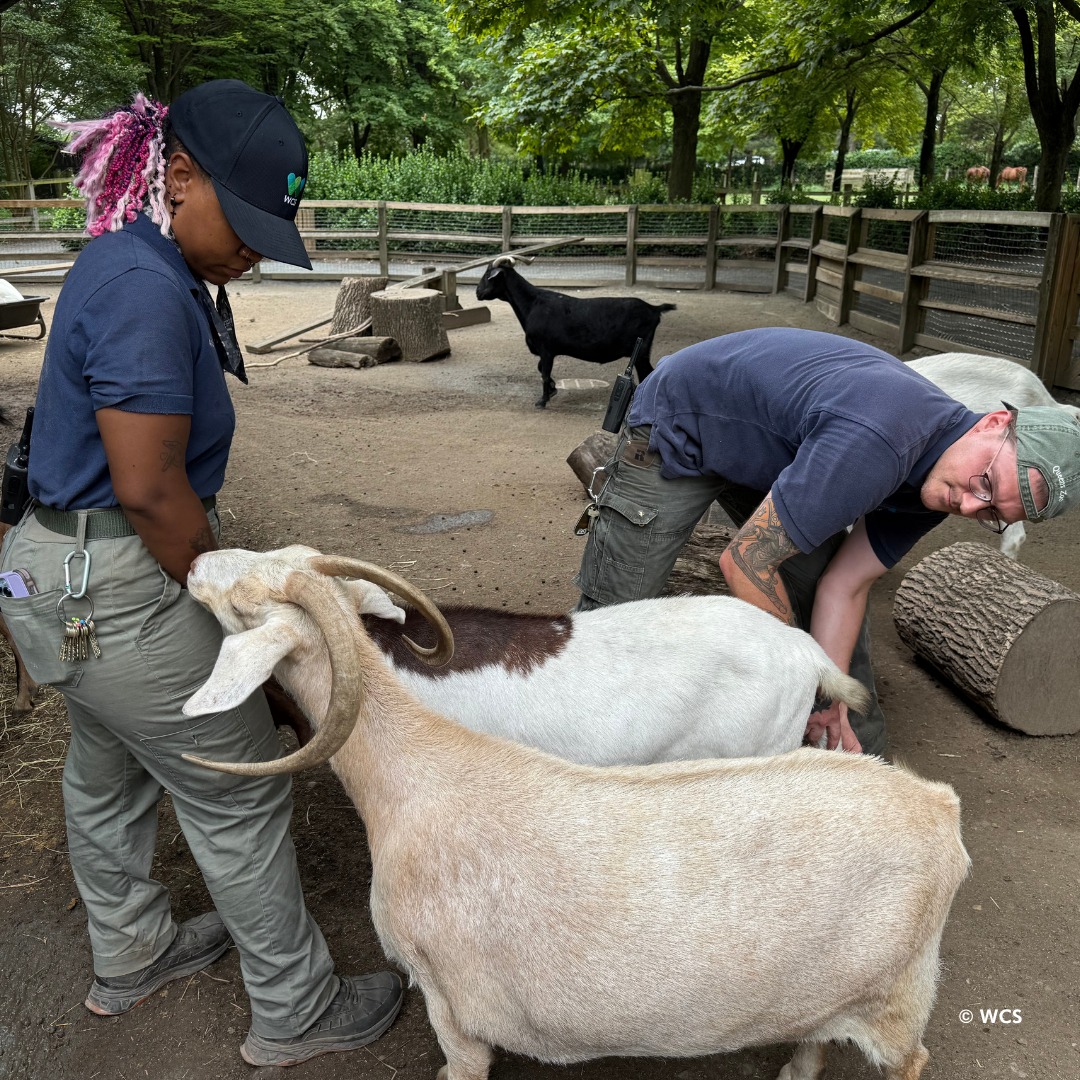
At Queens Zoo, zookeepers engage in a variety of tasks daily. Their responsibilities may seem straightforward, but the dedication and expertise required are immense. Zookeepers start early, often arriving before dawn to ensure animals receive their first meals on time. Routine care includes feeding, cleaning enclosures, and monitoring animal behaviors closely. Each species has specific dietary needs, habitats, and social structures that zookeepers must understand thoroughly. This knowledge allows them to provide tailored care and enrichments to promote healthy behaviors.
Health monitoring is another crucial aspect. Zookeepers regularly perform wellness checks, assessing the physical condition of animals. If any health concerns arise, they work closely with veterinarians to secure timely treatment. Regular training and ongoing education help zookeepers stay updated on the latest veterinary practices and animal care techniques.
Keeper Week and the American Association of Zoo Keepers (AAZK) National Conference create a platform for recognizing the essential contributions of zookeepers. This year’s theme, “Rising above Extinction,” emphasizes the role of zookeepers in conservation and wildlife protection efforts. Conferences like this enable zookeepers to exchange ideas, practices, and strategies that enhance their work. Workshops and expert presentations highlight successful conservation initiatives and innovative practices that can be adopted across various facilities.
Events during Keeper Week also foster a sense of community among zookeepers. Activities may include team-building exercises, educational sessions, and recognition awards that honor individuals or teams for their outstanding dedication. This communal aspect not only strengthens professional bonds but also enhances collaboration in conservation initiatives.
The diversity of species at Queens Zoo showcases the important work zookeepers perform. The zoo is home to a variety of animals, each necessitating different care methods and habitats. From majestic birds of prey to small native rodents, the range of species reflects the ecology of the Northeast. Zookeepers contribute to the enrichment of these animals by understanding their natural behaviors, physical needs, and social interactions.
For instance, large carnivores such as the red wolves require large enclosures that mimic their natural habitats. Zookeepers may implement training practices that allow for more movement and activity, decreasing stress and encouraging natural behaviors like hunting and exploring. On the other hand, small mammals such as the eastern cottontail benefit from interaction with vegetation that allows them to exhibit foraging behaviors.
Education and outreach are also significant components of the zookeeper’s role. Zookeepers host educational programs for zoo visitors, aiming to raise awareness about conservation issues affecting wildlife. By sharing stories about animals, they foster a connection between visitors and the natural world. This connection is critical in inspiring individuals to take part in conservation efforts in their communities.
Public interaction is vital for garnering support for wildlife conservation. Zookeepers often conduct educational tours, demonstrations, and hands-on activities that allow visitors to engage with both the animals and the issues surrounding endangered species. The live interactions not only educate but also encourage visitors to become advocates for wildlife conservation.
Supporting zookeepers also means recognizing the need for funding and resources necessary to sustain conservation programs. Aging habitats may require renovations, medical care for aging animals, and significant time spent on educational outreach. Donor support enables zoos like Queens Zoo to maintain high standards in animal care, ensure ample educational resources, and actively contribute to wildlife conservation.
In an age where the extinction crisis is more imminent than ever, the role of zookeepers stands out as a beacon of hope. Their dedication to animal welfare and conservation serves as an essential counterbalance to the challenges facing wildlife today. The efforts of zookeepers at Queens Zoo illustrate the impact thoughtful, informed care can have on both individual species and the broader ecosystem.
As we celebrate Keeper Week, take a moment to appreciate the hard work and dedication of the zookeepers. Their efforts go beyond what is visible; they are deeply embedded in a network of conservation initiatives designed to combat the loss of biodiversity. The theme “Rising above Extinction” serves as a reminder of the collective efforts necessary to safeguard our planet’s wildlife and the ecosystems they inhabit.
When you encounter a zookeeper at Queens Zoo, extend your gratitude. Their work demands commitment, skill, and passion. A simple thank you amplifies the recognition they deserve for their vital role in wildlife preservation. For everyone interested in conservation, supporting zookeepers reflects a commitment to protecting not only animals but the myriad ecosystems they embody.
Community involvement and education are crucial for developing a culture of conservation. Local initiatives, including workshops, community clean-up days, and educational presentations, can mobilize public support and raise awareness of wildlife issues. Encouraging community participation in local conservation projects can directly benefit regional habitats and species populations.
The role of zookeepers transcends the confines of their everyday work. By caring for wildlife, they act as stewards of the environment, echoing the call for conservation. As they rise above extinction, we, as a society, must rally behind them. Whether through volunteering, seeking educational resources, or even simply learning more about local wildlife, every small effort contributes to a larger legacy of conservation.
Consistent dedication from zookeepers is crucial for success in the conservation field. Collaboration with organizations, wildlife scientists, and the public augments their efforts in significant ways. Each interaction, presentation, and conservation initiative builds a better understanding of the importance of safeguarding our biodiversity.
The connection between zookeepers and the greater community is paramount. Engagement today can influence the landscape of wildlife conservation for generations. As this year’s theme underscores, we are all responsible for rising above the challenges that threaten our planet’s wildlife.
By acknowledging the contributions of exceptional zookeepers and participating in conservation efforts, we create a collective force that aids in the battle against extinction. Each visit to a zoo is an opportunity to learn and become inspired by the amazing work of these dedicated individuals. Wildlife conservation is a shared mission, and every action taken can assist in creating a flourishing future for all species on our planet.
*****
Source Description
Happy to our amazing team of keepers at the Queens Zoo!
The theme of this year’s American Association of Zoo Keepers (AAZK) National Conference is ”Rising above Extinction”. This theme emphasizes the crucial role zookeepers play in conservation efforts and their work in protecting wildlife and vanishing habitats. Keeper Week is dedicated to celebrating the hard work and passion of zookeepers, highlighting their contributions to animal care and public education. From the mighty to the mini, our committed zookeepers provide care for hundreds of animals at the Queens Zoo.
When you see a zookeeper at the Queens Zoo this week, make sure to say “thanks” for their hard work and dedication!
