
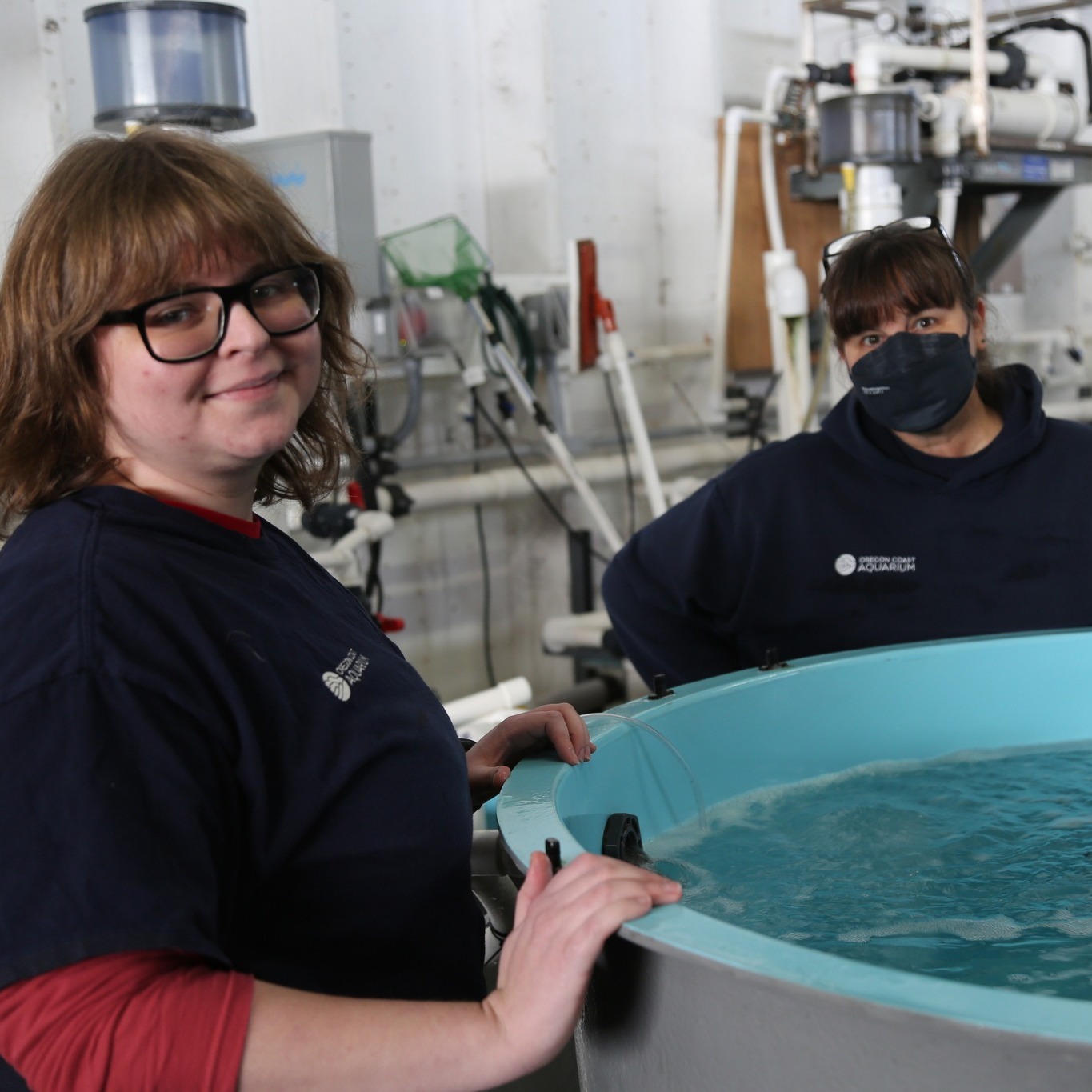
- National Zookeeper Week celebrates the dedicated professionals who care for animals in zoos.
- Zookeepers play vital roles that extend beyond animal care, including education and conservation.
- The diverse specializations within zoo staff, such as aquarists, aviculturists, and mammalogists, contribute to comprehensive animal care.
- Highlighting personal stories of zookeepers can provide insight into their commitment and challenges.
- Understanding the importance of zoos in wildlife conservation efforts emphasizes their role in global environmental stewardship.
National Zookeeper Week is a time to celebrate the dedicated professionals who give their time and energy to the care of animals in zoos. These individuals are often the unsung heroes of wildlife conservation. Their work entails much more than simply feeding and cleaning; zookeepers embody a commitment to animal well-being that encompasses a blend of science, education, and outreach.
Zookeepers play integral roles not only in animal care but also in public education and conservation initiatives. Many zoo visitors are unaware that their day-to-day interactions represent a broader mission of species preservation. Zookeepers provide crucial information about various animal species, emphasizing the need to protect their habitats and ecosystems. This aspect of their work is vital for fostering a culture of conservation among the public. As people learn about endangered species through educational programs and exhibits, they become more likely to support conservation efforts aimed at preserving these animals in the wild.
The array of specialized roles within the zoo staff significantly enhances the quality of care provided to animals. For instance, aquarists focus on aquatic life, ensuring that marine animals thrive within carefully maintained habitats. These experts carefully monitor water quality, temperature, and feeding routines, which are fundamental elements affecting aquatic species’ well-being. In one of the highlights of National Zookeeper Week, you might see aquarist Tiffany care for sunflower sea stars, demonstrating how detailed attention to various species ensures their health.
Aviculturists specialize in the care of birds, necessitating knowledge of diverse behaviors and dietary needs. They often work in tandem with zookeepers to provide a balanced diet and proper habitats, ensuring that species like the brown pelican, as seen with aviculturist Marie’s work with Pip, receive specialized attention tailored to their unique physiological requirements.
Mammalogists, like Megan, Lauren, Danielle, and Becca, focus on the care of mammals, including fascinating creatures like sea otters. Their role includes monitoring animal social interactions, health checks, and understanding species-specific behavioral traits. Observing how mammals interact with one another is essential for maintaining their mental health. Such practices not only set a high standard for animal welfare but also evoke visitor interest, leading to greater public involvement in conservation efforts.
Highlighting individual zookeepers’ stories can profoundly humanize the work done within zoos. For example, animal ambassador care specialist Devon’s admiration for Wilson, the barn owl, is an instance of the emotional connections zookeepers form with the animals they care for. This emotional investment plays a vital role in ensuring the animals are healthy and engaged. These stories can give a face to the dedicated work of zookeepers, allowing visitors to understand the challenges and rewards of such a career.
There are numerous challenges zookeepers face daily, including the physical demands of the job and the emotional toll of caring for animals that may be unwell or endangered. Zookeepers often work in various weather conditions, requiring them to maintain a high level of physical fitness. Furthermore, encountering animals that are sick or injured necessitates mental resilience. They must make quick decisions to provide proper care or assist during emergencies.
Zoos today are constantly adapting to the changing scenarios regarding wildlife conservation and public education. They engage in critical research to stay informed about best practices for animal care, habitat enrichment, and species propagation. This scientific approach supports the long-term sustainability of animal populations in both managed environments and the wild.
Zoos serve as important centers for wildlife conservation efforts. They are increasingly involved in breed-and-release programs aimed at helping endangered species recover. One striking example is the California condor, which faced extinction in the wild but now has a population bolstered by zoo-breeding programs. Such initiatives require collaboration among zookeepers, researchers, and conservation organizations to assess population genetics and health, ultimately leading to successful releases into their natural habitats.
The educational outreach programs implemented by zoos serve as a primary channel for instilling conservation values in the public. Programs designed for schools, families, and communities allow zookeepers to directly connect with people, igniting a passion for wildlife. Interactive exhibits and animal encounters make learning both engaging and impactful. By leveraging their expertise, zookeepers can inspire individuals to take active roles in conservation, whether through advocacy, donations, or lifestyle changes that minimize their ecological footprints.
Furthermore, zoos play a pivotal role in public health and safety by helping to prevent zoonotic diseases—diseases that can transfer from animals to humans. Zookeepers are trained rigorously to follow guidelines that protect both the animals and visitors. Their knowledge of animal behavior and health must be complemented by a solid understanding of veterinary practices. Annual vaccinations and regular health check-ups are vital components of this protective framework.
Continued professional development is central for zookeepers. Specialized training processes, workshops, and conferences equip them with the latest advancements in animal care and management. This pursuit not only enhances their skills but also ensures that they can provide the best care possible for the animals entrusted to them. Networking with other professionals allows zookeepers to share insights and best practices, contributing to overarching conservation goals.
National Zookeeper Week serves as a reminder of the complexities involved in zoo management and animal care. Each position, from aquarist to aviculturist and mammalogist, plays an essential part in the larger mission of wildlife conservation. By acknowledging the professionals who dedicate their lives to this work, we can foster a deeper appreciation for their contributions.
Promoting wildlife conservation is not merely an institutional goal; it resonates on an individual level. Every person who visits a zoo is a potential advocate for conservation. The interaction with animals, understanding their stories through the zookeepers’ narratives, prompts a sense of responsibility towards protecting these species.
Studying the roles of zookeepers not only sheds light on their daily responsibilities but also emphasizes the intricacies of animal life, ecosystems, and their preservation. Drawing attention to the dedication evident in roles like those of aquarist Tiffany, aviculturist Marie, animal ambassador care specialist Devon, and mammalogists like Megan, Lauren, Danielle, and Becca highlights the professionalism and passion required in this field.
National Zookeeper Week serves a dual purpose: it celebrates the zookeepers while also reminding the public of the vital role zoos play in wildlife conservation. It’s essential to continue engaging in conversations surrounding conservation, educating communities, and advocating for wildlife protection. Understanding how these dedicated professionals work for the animals’ well-being inspires collective efforts toward preserving biodiversity on our planet.
As we celebrate National Zookeeper Week, let us appreciate the tireless efforts of every zookeeper, aquarist, aviculturist, and mammalogist who work in zoos across the country. Their commitment and expertise drive not only the day-to-day functioning of zoos but also serve as a foundation for a broader understanding of and action toward wildlife conservation. Their work reflects an essential commitment to preserving life on Earth, demonstrating that zoos can play a significant role in global environmental stewardship. By providing a platform for education and conservation, they inspire ongoing support for wildlife protection initiatives.
*****
Source Description
Today marks the start of National Zookeeper Week! Stay tuned to our social media channels throughout the week as we highlight the incredible folks who dedicate their time, energy, expertise, and passion to our animals’ well-being. 💙
📷: Aquarist Tiffany and Assistant Curator Evo stand near a tank of sunflower sea stars; Aviculturist Marie works with Pip the brown pelican; Animal Ambassador Care Specialist Devon admires Wilson the barn owl; Mammalogists Megan, Lauren, Danielle, and Becca work with the sea otters
