
- The importance of animal care during hot weather.
- Methods zookeepers use to keep animals comfortable.
- The role of enrichment in animal welfare.
- Focus on cooling strategies for different species.
- The significance of Global Tiger Day for conservation efforts.
As temperatures rise during the summer months, animal care teams face the challenge of keeping various species comfortable and healthy. Extreme heat can pose significant health risks to animals, making it essential for zookeepers and care personnel to implement effective strategies. Maintaining proper hydration and well-being for the animals is a priority, and this article will explore the highly effective methods zookeepers utilize to combat the heat while enriching the animals’ lives.
One pivotal aspect to consider is the daily routine of an animal care team. The welfare of the animals under their supervision hinges on understanding their thermal comfort zones, species-specific needs, and behavioral traits. Certain animals struggle significantly during warm weather, exacerbating the risk of heat stress. Zookeepers closely monitor each species for signs of heat-related distress. Some indicators include increased panting, lethargy, and reduced appetites. Recognizing these symptoms promptly allows zookeepers to act swiftly, implementing cooling strategies to mitigate discomfort.
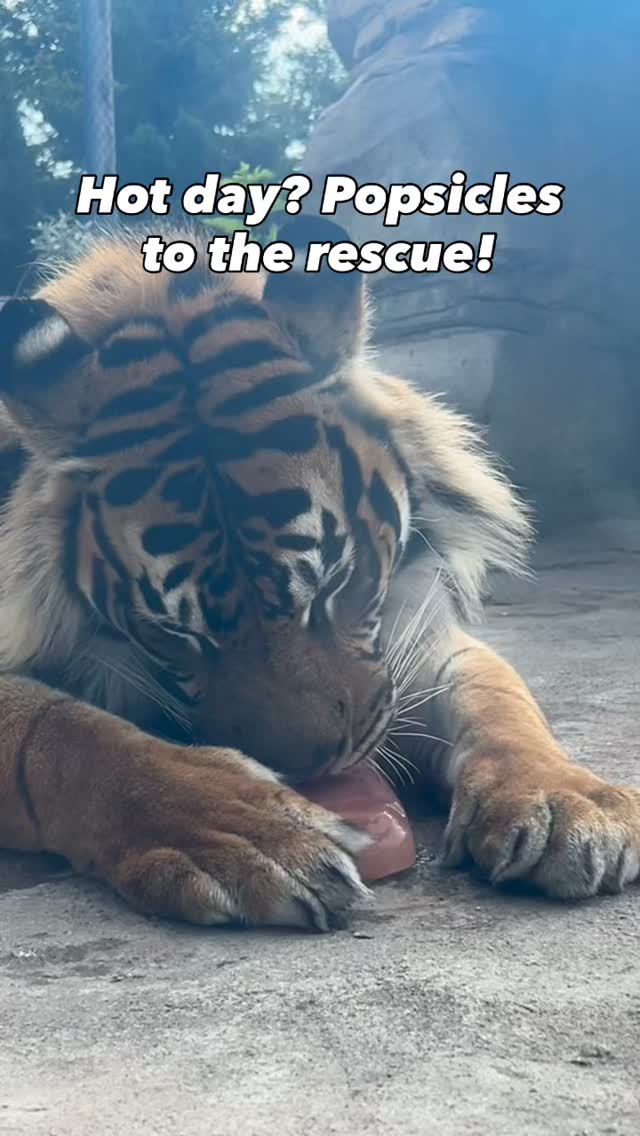
Zookeepers employ several methods to provide a comfortable environment when temperatures soar. One method involves introducing various cooling forms of enrichment. These enrichment tools are not only essential for comfort but also serve to stimulate the animals’ natural instincts and behaviors. For example, popsicles made from animal-safe ingredients have gained popularity as an innovative way to keep animals cool while engaging them in play. A Sumatran tiger may receive a “bloodsicle,” a frozen treat consisting of blood mixed with water, which offers hydration, nutrition, and entertainment. These unique treats are designed to encourage predatory behaviors, such as licking and pawing, while also appealing to their carnivorous diet.
In addition to frozen treats, zookeepers deploy other cooling strategies. Access to sprinklers and misters can help lower ambient temperatures in animal habitats. These gentle sprays offer a refreshing sensation for animals used to a more humid environment. Additionally, temperature-controlled indoor habitats protect animals from the heat, allowing them to retreat to cooler areas as needed. Many zoos now have designated climate-controlled spaces that mimic the animals’ natural habitats, providing relief during peak summer temperatures.
Enrichment is crucial for animal welfare. Animals in captivity require not only food and water but also mental stimulation and opportunities to express natural behaviors. The introduction of cooling enrichment items, like ice blocks with fish or fruits, adds an essential layer to their care. For animals like elephants, staff may hide treats in ice blocks, promoting problem-solving skills as they work to free the rewards. Such activities not only provide mental engagement but also encourage physical exercise, which is vital for maintaining overall health.
Different species require tailored approaches during hot weather. While some animals adapt well to heat, others may struggle. For instance, reptiles often rely on their natural environments for thermoregulation. In captivity, zookeepers must create habitats that allow reptiles to bask in warmer areas and retreat to cooler spots as needed. For these species, providing shaded areas, pools, or misting systems can make a significant difference in their comfort level.
Contrastingly, mammals, particularly those adapted to colder climates, need additional support during heatwaves. For instance, polar bears may need access to generous pools of water where they can swim and cool down. In their habitats, zookeepers can replicate conditions that closely match their natural icy environment by installing large water features. Furthermore, when outdoor temperatures rise, zookeepers can initiate feeding times during the cooler morning or evening hours, promoting feeding behavior in a less stressful environment.
In recent years, the significance of Global Tiger Day has gained attention as a moment to highlight the protection and conservation of these majestic animals. Scheduled for July 29, this day emphasizes the critical status of tigers in the wild and the ongoing efforts to preserve their habitats. With only around 3,900 wild tigers remaining, it serves as a reminder of the urgent need for wildlife conservation initiatives globally.
Zoos, like the one housing the Sumatran tiger, play a vital role in conservation efforts. They contribute to breeding programs, rehabilitation, and education, raising awareness about various endangered species. By informing the public about the challenges tigers face in the wild, zoos can inspire conservation behavior among visitors. Engaging communities with programs that promote habitat preservation and respect for wildlife is essential, particularly as human activity increasingly encroaches upon natural ecosystems.
Workshops, public lectures, and educational initiatives provide valuable resources for individuals interested in conservation efforts. Through these programs, the connection between the public and the plight of tigers is strengthened. By understanding the importance of such initiatives, visitors are encouraged to participate in preserving these animals’ future. These educational efforts are instrumental in garnering support for the sustainability of wildlife and their natural habitats.
The focus on cooling strategies for wildlife is critical for enhancing animal welfare in captivity during the summer months. With heat stress being a real threat, zookeepers play a vital role in keeping animals healthy and hydrated. By utilizing enrichment strategies like frozen treats, sprinklers, and climate-controlled habitats, zookeepers can ensure that animals are not only comfortable but also engaged in meaningful activities.
Furthermore, the ongoing efforts related to Global Tiger Day underscore the importance of public awareness surrounding wildlife conservation. Protecting species like the Sumatran tiger requires a collective and informed effort. The initiatives taken by zoos, combined with public support, represent a significant step toward preserving these remarkable animals for future generations. Such collaboration builds a bridge between animal care practices and conservation, fostering a deeper appreciation for wildlife.
In summary, with rising temperatures, zoos leverage various techniques to mitigate heat-related stress on the animals under their care. Incorporating cooling enrichment, ensuring hydration, and providing well-designed habitats contribute significantly to maintaining animal welfare. As awareness grows around the impact of climate change and human encroachment on wildlife, dedicated days like Global Tiger Day serve as crucial reminders of the ongoing efforts required to protect our planet’s biodiversity. Through education and conservation initiatives, it is possible to create a future where both animals and their habitats thrive.
*****
Source Description
☀️It’s a hot one out there! When the temps rise, our animal care team has a few cool tricks up their sleeve, including popsicles! For this Sumatran tiger that means a bloodsicle, a frozen treat made of blood and water that also serves as excellent enrichment.
To help all our animals stay comfortable and safe in the heat, zookeepers provide cooling based enrichment such as frozen treats, and access to sprinklers, misters, temperature-controlled indoor habitats, and more!
🐅Fun Fact: Tomorrow, July 29th is Global Tiger Day! A great reminder of how important it is to protect and care for these incredible animals.
