
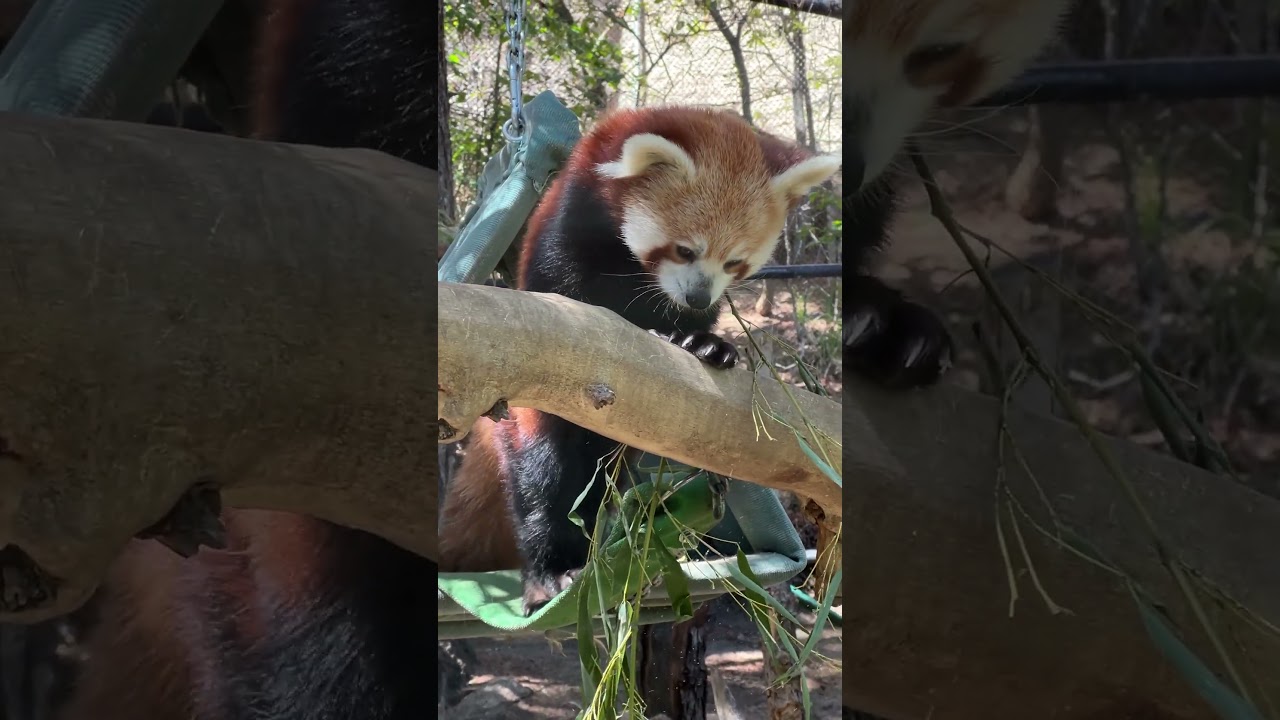
- Exploring Cora’s discovery of the perfect crunch and its significance in wildlife behavior and nutrition.
- The role of zoos in fostering wildlife conservation and biodiversity through education and research.
- Understanding crowd engagement methods used in zoological settings to support animal well-being.
- The impact of diet and enrichment programs on animal behavior and health in captivity.
- The importance of habitat design and management for promoting natural behaviors in zoo animals.
Cora, a curious resident at a renowned zoological park, embarked on an exploration that led her to find the ultimate crunchy treat. This seemingly simple quest is a reflection of a larger narrative encompassing wildlife behavior, nutrition, and enrichment in zoos. Understanding these elements offers invaluable insights into not only individual animal well-being but also broad themes in zoological management and conservation.
Zoos play a crucial role in the preservation and understanding of wildlife. They have evolved from mere exhibition spaces to centers of conservation and education. This transition focuses on not just recreation but also raising awareness of biodiversity and the threats faced by ecosystems worldwide. By observing animals like Cora, zoos can educate visitors about the complexities of natural behaviors and ecological relationships, fostering a deeper appreciation for conservation practices.
Incorporating animals’ quest for food, such as Cora’s pursuit of the crunch, zoos design nutrition and enrichment programs to mimic wild conditions. These initiatives stimulate mental and physical engagement, crucial for maintaining animal health in captivity. Cora’s quest demonstrates how such enrichment can stimulate natural foraging behaviors, offering valuable data on dietary preferences and needs. In providing diverse and nutritious options, caretakers ensure that zoo inhabitants remain vibrant and engaged, reflecting their wild counterparts’ behaviors as closely as possible.
Audience engagement is another key component of modern zoo strategies. Through interactive exhibits and live demonstrations, zoos can illustrate the importance of conservation while enhancing the visitor experience. By centering animals like Cora and their behaviors, zoos create dynamic narratives that capture public interest and convey important messages about wildlife preservation.
Proper habitat design is essential for promoting natural behaviors in zoo environments. Adapting enclosures to mimic natural settings allows animals to express inherent behaviors, such as foraging for food and exploring their surroundings. Attention to space, substrate, and environmental complexities provides opportunities for species-specific behaviors, contributing to their overall well-being.
Cora’s adventure, though seemingly minor, offers a window into the intricate world of zoo management and wildlife conservation. By analyzing her actions and those of her zoo companions, scientific knowledge of animal behavior in captivity can be expanded, improving practices and enhancing educational outreach.
Zoos must continually evolve their methods and facilities to reflect current scientific understanding and conservation priorities. Cora’s story is a small, engaging piece of the broader tapestry of these efforts, inspiring visitors and highlighting the critical work of zoological institutions in safeguarding the natural world for future generations.
*****
Source Description
