
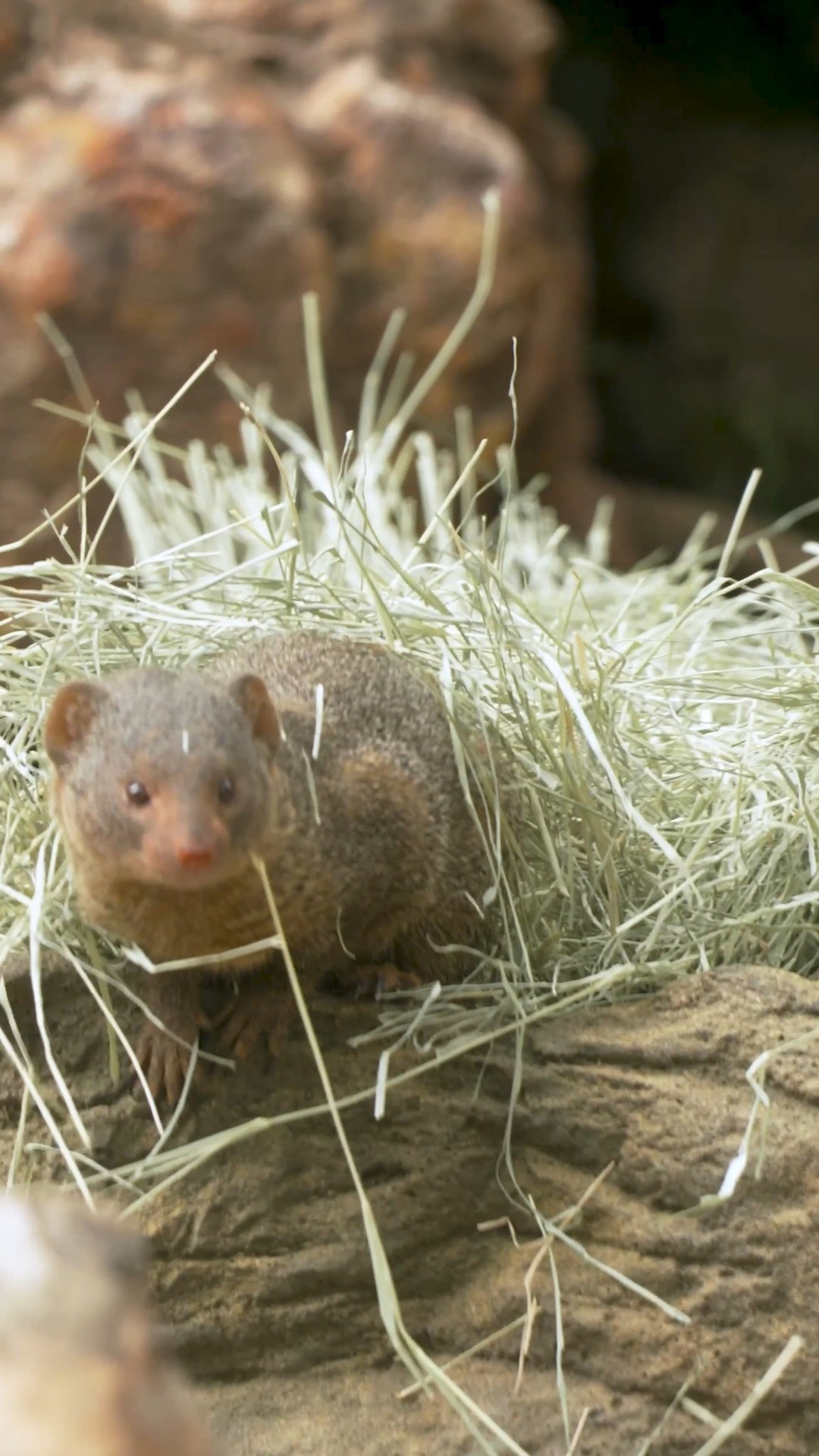
- The role of interaction in animal behavior: a focus on Pip and Squeak.
- Understanding how play fosters cognitive development in animals.
- Peekaboo as an educational tool for animal enrichment.
- The importance of socialization in zoo settings.
- Insights into animal welfare and behavioral observation.
The act of playing peekaboo with Pip and Squeak, often perceived as a simple game, showcases a deeper understanding of animal behavior and interaction. Engaging with animals like Pip, a playful young starling, and Squeak, an inquisitive young otter, opens a window into the intricate dynamics of animal communication and cognitive development. Through an exploration of how animals engage in play, caregivers can not only enhance their daily experiences but also contribute to their overall well-being.
Animal interaction profoundly affects behavior. Peekaboo is more than a game; it’s a means of social engagement. Animals like Pip and Squeak rely on play to establish social bonds. This interactive experience is crucial for helping them understand their surroundings. For Pip, who thrives on social interaction, the thrill of peeking out from behind a block offers enrichment. For Squeak, the agility required to pop out from under a toy cultivates not just physical abilities but also social skills.
Cognitive development in animals, particularly in young specimens, is supported by play. The act of playing peekaboo engages various cognitive functions, promoting problem-solving skills and social learning. For instance, Pip may learn to anticipate your movements, while Squeak develops the ability to gauge distance and timing. Both animals build essential skills that aid in their survival and social interactions within their species.
Peekaboo serves as an educational tool that can enhance the welfare of zoo animals. Enrichment activities that involve playful interaction stimulate natural behaviors and prevent boredom. Using simple games like peekaboo can be implemented in animal training routines, allowing them to engage in their environment. The strategic incorporation of such activities can lead to improved mental and emotional health. It can also result in more profound learning experiences for both the animals and the caretakers interacting with them.
Socialization is fundamental in zoo settings, specifically regarding play. Pip and Squeak’s interactive game offers valuable insights into how animals learn about their peers. Regular playtime helps them understand social hierarchies and boundaries. By observing how Pip and Squeak engage during peekaboo, caregivers can assess their comfort levels and stress responses. This awareness permits caretakers to modify environments to optimize social interactions and reduce anxiety. Ultimately, observing such behaviors provides vital data facilitating better management practices.
The importance of animal welfare extends beyond basic care. Recognizing the significance of play enhances our understanding of how animals experience life in a zoo. Peekaboo provides more than a fun distraction; it mirrors the natural behaviors of animals in the wild. For instance, many species engage in games during their early development, which lays the groundwork for adult social structures. By simulating these interactions in a controlled environment, zoos can create a more instinctual habitat.
Moreover, the concept of play pertains to both physical and emotional health. Engaging animals in peekaboo can boost overall well-being. In cases like Squeak, who might thrive on physical exertion, this game helps maintain active lifestyles. The cognitive engagement Pip receives builds confidence. As their playtime unfolds, both animals learn to explore their limits while feeling secure in a nurturing environment.
When animals play peekaboo, they communicate more than just joy. This behavior generates a language of understanding. For instance, animals often establish cues that signal when they want to engage or when they need space. Tracking those behaviors is an invaluable aspect of their care. By observing notable patterns in play behavior, caretakers can identify personality traits. Different personalities directly influence how animals interact with each other and their environment.
Understanding these nuances is crucial for zoos. Play behavior can indicate how comfortable an animal feels in its environment. Caregivers can monitor Pip and Squeak’s interactions to glean more about their preferences and habits. This awareness can lead to more effective care strategies, ensuring that all animals receive tailored resources for a healthy life. Additionally, it allows zookeepers and wildlife specialists to optimize enclosures and engage animals meaningfully.
Fun is a vital element in animal care and conservation efforts. Playful interactions foster enthusiasm for learning and discovery. When caretakers engage in games like peekaboo, they contribute to this environment, enhancing daily life for creatures in their care. Furthermore, sharing joyful moments with animals can inspire zoo visitors to value wildlife conservation. By educating the public about the importance of engaging with animals, zoos can promote understanding and empathy towards different species.
The welfare of zoo animals should be a guiding principle for all animal management practices. High-quality enrichment activities—including games like peekaboo—serve as foundational elements in supporting animal health and happiness. Insights gathered from observing playful interactions can enlighten practices that affect species conservation. As we learn about Pip and Squeak, we also learn about how engaging animals can lead to a more profound appreciation for preserving wildlife.
Zoo management becomes significantly more rewarding and impactful when emphasizing play. Interactions, such as peekaboo, allow animals to manifest their natural instincts in a safe, engaging way. Zookeepers equipped with knowledge about animal play lead the charge in improving the lives of animals in their care.
Encouraging diverse play behaviors is vital for both Pip and Squeak. Engaging with a variety of stimuli ensures that animals experience enriching environments. This commitment encourages natural behaviors, adding layers to an animal’s habitat. When socialization and interaction become the norm, animals feel safe, engaged, and motivated to explore their surroundings.
As one interacts with Pip and Squeak in their playful game of peekaboo, it’s clear that both parties can gain from the experience. While the animals might appear to enjoy the game more, human engagement plays an equally essential role. This tandem interaction makes the game beneficial for both animals and humans. As each side learns from the other, an enriching atmosphere is created, fostering mutual understanding.
Analyzing sessions involving peekaboo offers opportunities to explore different aspects of animal care. Observations can be used to assess animal health. During play, animals display behaviors that are telling of their overall condition. Recognizing signs of pleasure or distress enables caretakers to address any potential health issues. Vigilance in observing these interactions enhances comprehensive animal care.
Implementing the enriching practice of peekaboo requires thoughtful planning and understanding of animal behavior. Caretakers should consider individual animal preferences, social compatibility, and specific environmental conditions. By tailoring playtime experiences, the benefits extend effectively to enhancements in animal health and overall zoo dynamics.
Through engagement, animals express their personalities. The balance between stimulation and rest is key in developing healthy behaviors. Peekaboo serves as an essential interaction that contributes positively to animals’ mental states. The richness of this experience allows both animals and humans to partake in learning and development.
In summary, playing peekaboo with Pip and Squeak is far from a mere pastime. It represents a crucial aspect of animal welfare that promotes engagement and enhances understanding of animal behaviors. By integrating play and focusing on socialization, zoos can actively support the cognitive and emotional well-being of their inhabitants.
*****
Source Description
You’re playing peekaboo with Pip and Squeak. Who’s winning, you or them? 🎉
