
- The significance of International Tiger Day and its impact on tiger conservation.
- An in-depth look at Berani, the Malayan tiger, and his role in education and awareness.
- The activities and highlights of the Tiger Day celebration aimed at engaging the public.
- The importance of tigers in biodiversity and ecosystem health.
- Ways individuals can contribute to tiger conservation efforts.
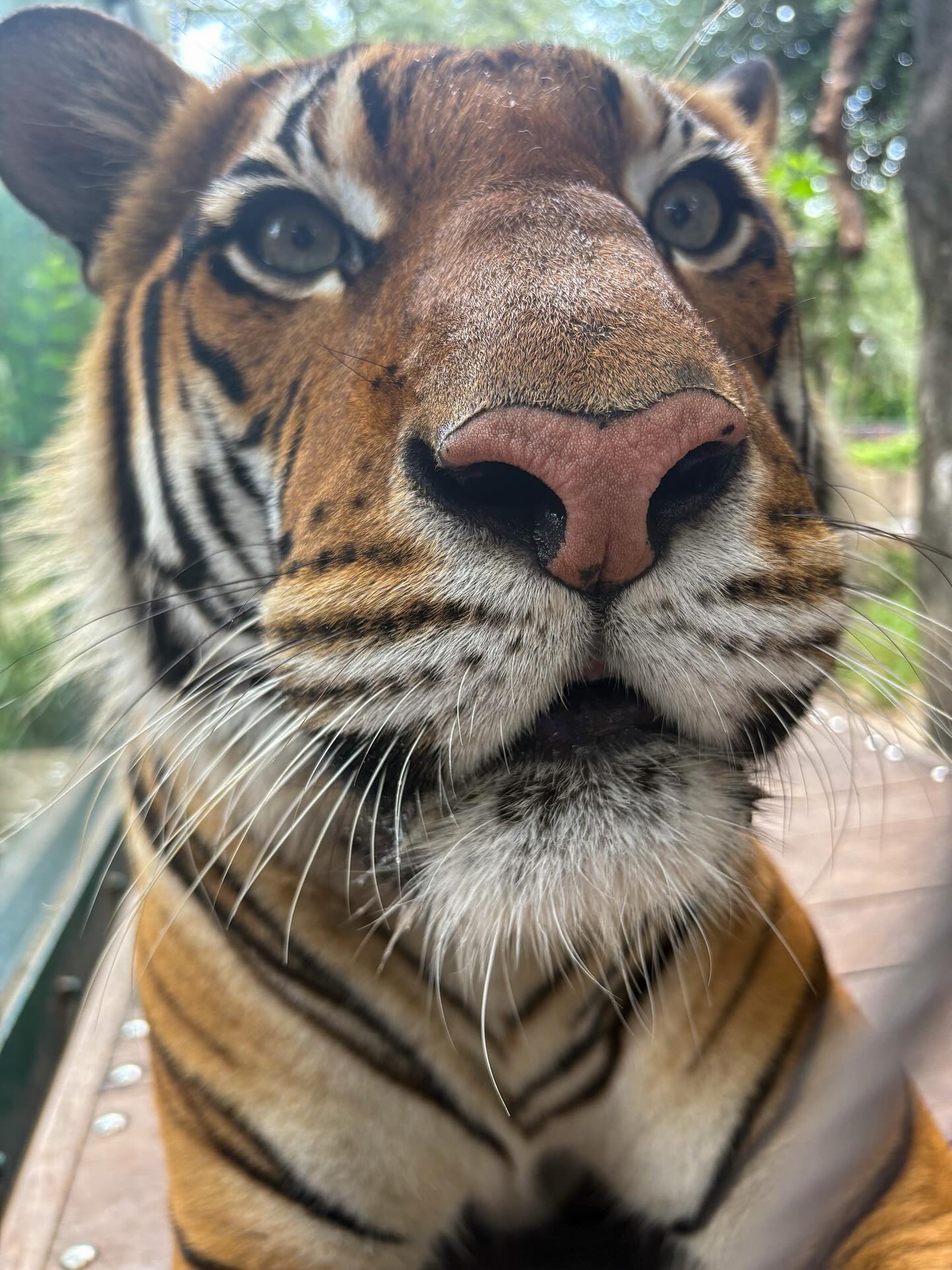
International Tiger Day, celebrated annually on July 29, serves as a vital platform dedicated to raising awareness about one of the world’s most majestic and endangered species: the tiger. The observance aims to reduce the poaching and habitat loss that threaten tiger populations globally. Each year, zoos around the world participate in events and activities that focus on educating the public about these magnificent creatures. At our facility, we had a roaring good time celebrating this significant occasion, with Berani, our Malayan tiger, taking center stage as the highlight of the day.
Berani is not just a representative of his species; he plays an essential role in conservation education. As a Malayan tiger, he belongs to a sub-species that is already critically endangered, with fewer than 250 left in the wild. The Malayan tiger distinguishes itself by its darker coat and more slender body compared to other tiger subspecies. Learning about his characteristics and the threats he faces helps visitors understand the urgency of conservation efforts. By showcasing Berani, we aim to create a connection between our audience and this iconic predator, fostering a deeper appreciation for wildlife.
Tiger Day celebrations included a variety of engaging activities intended to instill a sense of responsibility towards conservation. Throughout the day, visitors enjoyed bonus keeper chats where zookeepers shared insights about Berani and the broader issues facing tigers. During these sessions, guests learned about the hunter-prey relationship in ecosystems, the role of apex predators in maintaining ecological balance, and how the loss of tigers can have devastating effects on biodiversity.
One of the most popular activities was the “leap like a tiger” event, which encouraged children to mimic the magnificent strides of a tiger. Through this playful yet educational activity, participants gained a better understanding of the tiger’s adaptability and strength. It is essential to highlight that such experiences not only entertain but also serve as a powerful tool for education, inspiring future generations to champion wildlife conservation.
The significance of tigers extends beyond their physical presence; they play a crucial role in the health of their ecosystems. As apex predators, tigers regulate the populations of other species, allowing for a balanced ecosystem. When tiger populations decline, herbivore species like deer and boar can overpopulate, leading to overgrazing and degradation of vegetation. This imbalance can result in soil erosion and loss of habitat for various other animal species, showcasing how interconnected ecological relationships are.
Maintaining biodiversity is essential for a healthy planet. Tigers help preserve various ecosystems, supporting life forms from the ground to the treetops. Their presence ensures that other species thrive, showcasing the critical need for focused conservation efforts. With an estimated population of about 3,900 wild tigers left today, conservation initiatives are imperative for their survival.
In addition to appreciating Berani and participating in engaging activities, visitors were encouraged to consider their roles in tiger conservation. Individuals can contribute in various ways, such as supporting organizations dedicated to wildlife preservation, advocating for sustainable practices, and spreading awareness about the threats tigers face. Simple actions, like reducing plastic use and promoting biodiversity-friendly initiatives, can make a significant impact on tiger habitats.
While the celebration offered a wealth of educational content, it also highlighted the ongoing efforts that zoos and conservation organizations make to protect tigers. Many zoos now participate in cooperative breeding programs, where selected institutions collaborate to enhance the genetic diversity of captive tigers. These programs are crucial for maintaining healthy populations, especially for the Malayan tiger, facing imminent extinction risks.
Zoological institutions also engage in rehabilitation and reintroduction efforts, where tigers born in captivity are trained for potential release into the wild. These programs require careful planning, including assessing habitat viability and prey availability to give these magnificent creatures the best chance of survival once they leave the protective confines of the zoo.
Monitoring wild tiger populations is essential for understanding the dynamics of the species in their natural habitats. Wildlife researchers often employ advanced tracking methods, including GPS collars, to better understand tiger movements and their interactions with ecosystems. This data allows conservationists to identify critical areas that need protection and develop effective management plans.
Collaborative efforts also extend beyond local or national borders. Regional partnerships coordinate with countries where tigers roam to implement joint conservation initiatives. These coalitions are vital for addressing habitat fragmentation, poaching, and illegal wildlife trade that plague tiger populations globally. As habitats shrink, animals become isolated, making it more difficult for them to find mates and reproduce, thus exacerbating their decline.
Despite the challenges facing tiger populations, there is hope. Awareness campaigns, like International Tiger Day, are crucial for mobilizing public support for conservation initiatives. As individuals learn more about the plight of tigers, they become advocates for change, urging communities and governments to take action.
Today’s celebration of International Tiger Day not only focused on joy and excitement but also served as a wake-up call. It reminds us that we must work collectively to protect this extraordinary species and its habitats. Engaging experiences like the “leap like a tiger” activity and informative keeper chats play a pivotal role in creating future conservationists who are passionate about wildlife.
Tigers are integral to the cultural heritage of many countries, symbolizing power, strength, and beauty. Their disappearance would not only signify a loss of biodiversity but also the erasure of an iconic species that has left an indelible mark on human mythology and culture. Understanding the cultural significance of tigers can unite communities in their efforts to protect these majestic animals.
As we celebrate the magnificence of Berani and his fellow tigers, we are reminded of the synergy between wildlife and human existence. Every individual can play a part in safeguarding their survival and habitats. By raising awareness, supporting conservation organizations, and advocating for sustainable practices, we contribute to a better future for tigers and our planet.
The celebration of International Tiger Day is more than just an event; it is an ongoing commitment to advocating for one of nature’s most formidable creatures. The importance of tigers in our ecosystem and culture cannot be overstated, and our responsibility to protect them is paramount. The rich legacy of tigers is a shared burden that rests on our shoulders.
Ultimately, as stewards of the Earth, it is our collective duty to ensure that tigers like Berani continue to thrive for generations to come. The next time you encounter a tiger or hear about their plight, consider how you can become a part of the solution. Together, we can create a world where tigers roam freely and safely, preserving the intricate web of life they help sustain.
*****
Source Description
We had a roaring good time celebrating International Tiger Day, and Berani our Malayan tiger was truly the mane event! 🐯
Make sure to visit us tomorrow for our Tiger Day celebrations. Highlights will include bonus keeper chats, leap like a tiger activity, and more.
Watch a recap of this week’s Facebook Live at the link in bio.
