
- The significance of the Philadelphia Phillies in baseball culture.
- The psychological impact of team sports on community bonding.
- The role of food and snacks in enhancing the sports viewing experience.
- Wildlife conservation lessons from sports team mascots and their connections to local wildlife.
- How urban wildlife reflects the spirit of sports teams like the Phillies.
The Philadelphia Phillies stand as one of Major League Baseball’s most storied franchises, deeply rooted in the culture and identity of Philadelphia. Established in 1883, the team has fostered a dedicated fan base, rousing community spirit through thrilling moments on the field. The bond between a team and its city is not merely transactional; it is expressive. The exhilarating energy shared by fans during the baseball season, especially during October when playoff games take place, illuminates how sports can weave individuals into a collective identity.
This season, affectionately termed “Red October,” marks a time of heightened anticipation as the team vies for championship glory. The phrase “Let’s go, Phillies!” resonates throughout the city, reflecting a hopeful optimism. Such moments articulate the fundamental essence of sports: the shared experience of joy, heartbreak, and adrenaline.
Sports serve a crucial psychological function within communities. They offer a platform for socialization and the development of interpersonal relationships. For many, attending a game or hosting a game-watching party fosters connections with family and friends. This communal atmosphere is particularly striking during postseason play, characterized by palpable tension and euphoria. The collective chanting of encouraging phrases, such as “Let’s go, Phillies,” represents a release of pent-up emotion that binds the community together.
The role of food in these shared experiences cannot be overstated. Game day snacks are an integral part of the viewing ritual, enhancing enjoyment and engagement. Items like nachos, pretzels, and, of course, cheesesteaks symbolize Philadelphia’s culinary heritage while fueling the celebratory spirit that accompanies each play. For the Phillies’ fans, enjoying these treats during a game becomes a vital element of their identity as supporters. Snacks transform an ordinary viewing into a festive occasion, merging flavor with fervor.
Food does more than nourish; it shapes culture. In Philadelphia, culinary conditions influence the atmosphere surrounding the Phillies. Concessions at games, ranging from local favorites to classic stadium snacks, provide an opportunity for fans to partake in a shared tradition. This interplay between food and sports establishes a culinary narrative unique to Philadelphia. Whether at Citizens Bank Park or in a living room, the snacks chosen reflect a sense of local pride, reminding fans of their connections to one another and their city.
The Phillies embody more than baseball; they serve as cultural ambassadors for environmental education, particularly in conjunction with the role of animal mascots. The team’s iconic mascot, the Phanatic, represents more than just entertainment within the stadium; it symbolizes a commitment to conservation and awareness for wildlife. The Phanatic’s playful antics often draw attention to the need for protecting local wildlife habitats, particularly in urban settings.
Many teams, including the Phillies, have been increasingly engaging with wildlife conservation efforts. This synergy highlights the interface between sports culture and ecological responsibilities. The connection between sports mascots and wildlife serves as a powerful tool for engaging younger generations. Creatively involving children and families in conservation activities reinforces the importance of coexistence between humans and nature.
Urban wildlife serves as a mirror for the community’s spirit. Just as the Phillies capture the collective enthusiasm of their fans, the critters active in the city’s parks and neighborhoods reflect the resilience and adaptability of urban life. Animals, from squirrels in Fairmount Park to birds swooping around the stadium, showcase how wildlife carves out spaces in an urban environment. This demonstrates the intricate connections between sports culture and wildlife in city settings.
Observing local wildlife can also foster a stronger ecological consciousness. City-dwellers might not typically think of themselves as stewards of natural environments, but their surroundings can reveal an intricate web of life. Encouraging fans to engage in citizen science initiatives related to wildlife observation could deepen their appreciation for local ecosystems. This perspective reinforces the idea that community pride extends beyond victories in sports; it encompasses the responsibility to care for local environments.
Participating in wildlife conservation can also come with financial and logistical complexities, particularly for urban residents. Cities like Philadelphia are enacting ordinances to safeguard parks and green areas, benefiting local wildlife and ensuring public spaces remain vibrant and accessible to all. This legal framework positions the community as active participants in preserving their city’s ecology, thus providing a collaborative opportunity for sports teams like the Phillies to play an important role.
The emotional landscape extends with the changing seasons as well, not only on the baseball diamond but in nature itself. Each autumn, as the leaves turn and the air cools, the atmosphere at Phillies games shifts. The music of the season fills the air, and the excitement of playoff races stirs the passions of fans. This dynamic transition replicates seasonal changes observed in wildlife patterns; migrations, for example, may resonate with fans pursuing their own traditions.
As the baseball season aligns with nature’s rhythms, communal experiences expand. Urban wildlife such as migratory birds and identifiable species present a unique educational opportunity for fans to understand biodiversity. The city can serve as a living laboratory, displaying how urban structures can coexist alongside natural habitats. Engaging wider audiences with educational programming, such as local nature walks tied to game days, can embed wildlife conversations into sports culture.
Ultimately, the excitement surrounding the Philadelphia Phillies encapsulates various dimensions of human experience. It brings people together, encourages civic pride, and promotes environmental stewardship. The essence of “It’s Red October, baby!” transcends a simple cheer for playoff success; it embraces community bonding, culinary traditions, and an evolving responsibility toward local ecosystems.
As fans rally around the Philadelphia Phillies this October, they uplift not just their team but also their shared connection to the community and their environment. The blend of enthusiasm for baseball and appreciation for local wildlife represents an enriching narrative for fans in Philadelphia and beyond. Every cheer echoes through the ballpark and resonates with the whispers of city creatures, illustrating a powerful story of coexistence, culture, and commitment to both sports and nature.
*****
Source Description
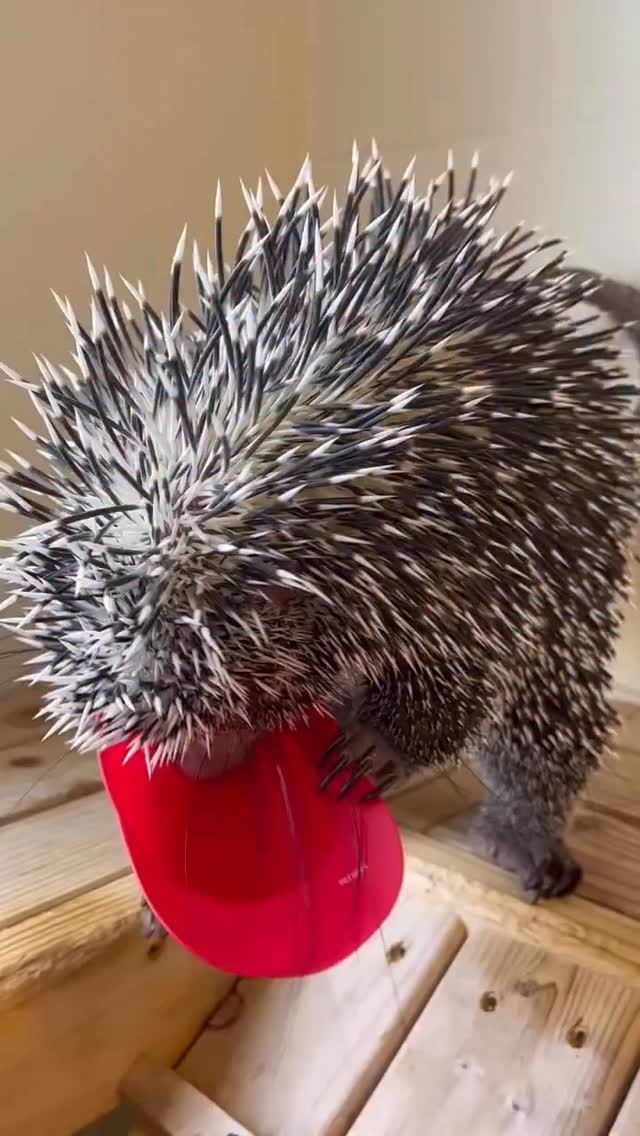
It’s Red October, baby! Gonzo says “Let’s go, Phillies! (Also these snacks are tasty!)” ❤️⚾️
@phillies
