
- The Masai Giraffe: Characteristics and Habitat
- The Role of Keepers in Giraffe Care
- Behavior and Social Structure of Giraffes
- Conservation Status and Efforts in Giraffe Preservation
- Daily Activities and Enrichment for Giraffes
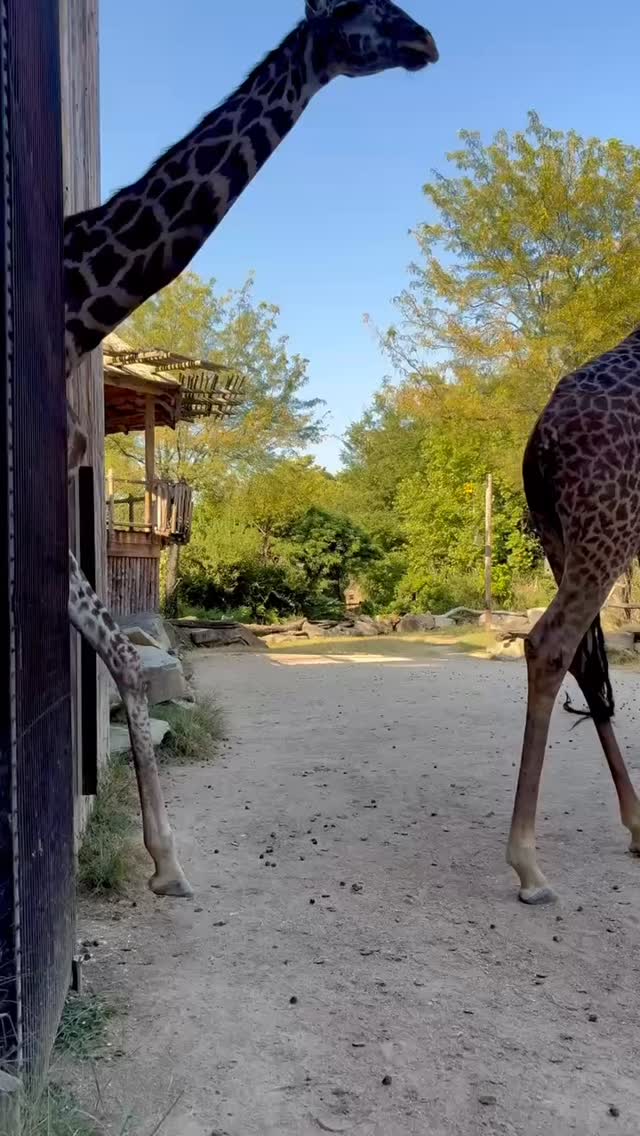
The Masai giraffe, also known as the Kilimanjaro giraffe, is the largest subspecies of giraffe, marked by its distinctive jagged spots. This majestic animal holds the title of the tallest land creature, standing up to 18 feet tall. Their height offers them a remarkable vantage point over the African savanna, allowing them to spot potential threats and predators from a considerable distance. Moreover, their exceptional eyesight plays a vital role in their survival, empowering them to respond swiftly to danger.
Masai giraffes inhabit a variety of environments, primarily savannas and open woodlands in East Africa. Their long necks and legs give them access to foliage that other herbivores cannot reach, specializing in browsing on the tender leaves of acacia trees. This adaptation not only highlights their unique feeding strategies but also underscores their crucial ecological role. By browsing high shrubs and trees, giraffes help maintain the structure of their habitat, allowing space for other plant species to thrive.
Keepers play a fundamental role in the daily care and management of giraffes in captivity. They are responsible for ensuring the health and wellbeing of these animals. Each day begins with assessments of the giraffes’ physical condition. Keepers check for any signs of injury or illness and monitor their weight. This is essential because even minor health issues can escalate quickly in large animals like giraffes.
Feeding is a critical component of a keeper’s daily responsibilities. Giraffe diets in the wild consist primarily of leaves and vegetables; thus, keepers replicate this in captivity with specially prepared diets featuring hay, vegetables, and formulated pellets. Portion control is crucial to prevent obesity and associated health issues. Specific nutritional needs must be met depending on the age, weight, and health status of each giraffe. This not only promotes health but also mimics their natural grazing behavior.
Behavioral enrichment is another significant aspect of a keeper’s duties. Giraffes are naturally curious and intelligent animals. Providing them with diverse stimuli can prevent boredom and encourage natural behaviors. Enrichment techniques might involve creating puzzles, hiding food in various locations, or providing novel objects for them to explore. This encourages physical activity and mental engagement, both vital for their overall wellbeing.
Understanding giraffe behavior and social structure is also essential for effective management. Giraffes are generally social animals that form loose herds. These herds often consist of females and their young, with males being more solitary and only occasionally joining groups. Social interactions among giraffes include necking, a behavior exhibited primarily among males during courtship or to establish dominance. This interaction can involve swinging their necks and delivering blows to one another, showcasing both their physical strength and social hierarchies.
The conservation status of giraffes is alarming; they are currently listed as Vulnerable by the International Union for Conservation of Nature (IUCN). Population numbers are declining due to habitat loss, poaching, and human-wildlife conflict. Initiatives aimed at giraffe preservation involve both local and international conservation efforts. Organizations focus on habitat restoration, community engagement, and education to raise awareness about the plight of giraffes. By collaborating with local communities, these initiatives aim to create a sustainable coexistence between human development and wildlife needs.
Daily activities for giraffes in captivity involve not just feeding and enrichment but also regular veterinary care. Vaccinations, dental check-ups, and parasitic infection treatment are vital routines. Such preventative care ensures long, healthy lives for these awe-inspiring animals. Keepers work closely with veterinarians to monitor any changes in behavior or health, guiding effective treatment plans when necessary.
Moreover, visitors to zoos and aquariums can play a role in giraffe conservation by learning about these animals. Educating the public fosters a deeper appreciation and understanding of giraffes’ unique ecological significance. Engaging programs and interactive exhibits can instill a sense of responsibility and encourage conservation action among visitors. This public awareness is critical in fostering support for conservation initiatives and research funding.
Understanding the intricate relationship between giraffes and their environment enriches our comprehension of broader ecological dynamics. When giraffes browse on trees and shrubs, they not only feed themselves but also shape the landscape of their habitat. Their feeding habits can encourage plant diversity and the regeneration of forests, emphasizing the interconnectedness of species within an ecosystem.
The experience of observing giraffes as they move gracefully through their enclosures is a daily highlight for keepers and visitors alike. Their lengthy strides and methodical movement are mesmerizing. As Tessa, Zoey, Fenn, and Zeke — the resident giraffes — head outside, it’s a spectacle to witness. Each giraffe exhibits its personality, revealing behaviors that reflect their unique experiences and interactions.
Keepers often document these interactions, observing how each giraffe reacts to new stimuli. This documentation helps refine enrichment strategies and improve the overall care provided. Knowledge is power, and having insight into individual quirks allows keepers to craft customized experiences that enhance the lives of these remarkable animals.
The impact of such daily experiences transcends the individual animals, influencing the overall health of the giraffe population in captivity. By engaging with the content of their environment, giraffes like Tessa, Zoey, Fenn, and Zeke exhibit behavior indicative of a healthy, thriving population. It is the keeper’s responsibility to maintain high standards of welfare, ensuring the animals’ physical and emotional needs are met.
In the broader context, understanding and addressing the threats facing giraffes is crucial for their long-term survival. Habitat fragmentation, caused by agricultural expansion and urban development, is one of the primary drivers of population decline. Effective conservation strategies must prioritize habitat preservation and restoration. Collaboration among governments, NGOs, and local communities is essential to ensure the sustainability of giraffe populations.
The watching world of wildlife conservation highlights the imperative of scientific research alongside community engagement. Projects that incorporate local knowledge and prioritize the needs of communities are often more successful. By fostering mutual benefits — promoting economic development while ensuring habitat preservation — conservation initiatives can thrive.
The connection between biodiversity and human well-being is profound. As humans encroach upon natural habitats, the consequences can be dire, threatening not only wildlife but the ecosystems on which all life depends. Understanding the significant role of species like the Masai giraffe in their ecosystems enhances appreciation for nature’s complexities.
As Tessa, Zoey, Fenn, and Zeke engage with their environment, they embody more than just magnificent creatures; they are key players in maintaining ecological balance. Their presence in the wild reminds us of nature’s vulnerabilities and the pressing need for conservation efforts to sustain populations for future generations.
Engaging with giraffes through a keeper’s perspective offers valuable insights into their lives, habits, and the challenges they face. It also highlights the critical role human stewardship plays in fostering a harmonious relationship between people and the natural world. The story of the Masai giraffe is not just a tale of the tallest animal; it is a narrative of resilience, adaptation, and a poignant call to action for conservationists and enthusiasts alike.
In fostering greater understanding of these majestic animals through engaging storytelling, the hope is to inspire conservation action, ensuring that future generations can also marvel at these extraordinary creatures wandering across the African landscapes. Giraffes like Tessa, Zoey, Fenn, and Zeke remind us of the beauty and intricacy of life on Earth, urging us not to forget our responsibility in safeguarding these wonders.
*****
Source Description
Keeper POV: giraffe coming outside! Tessa, Zoey, Fenn & Zeke head outside for the day! Marked with jagged spots, the Masai Giraffe, also known as the Kilimanjaro Giraffe, is the largest subspecies of giraffe. As the tallest animals in the world, giraffes have a clear view of their surroundings on the African savanna. With excellent eyesight, they often detect predators and threats from a greater distance than do other animals.
