
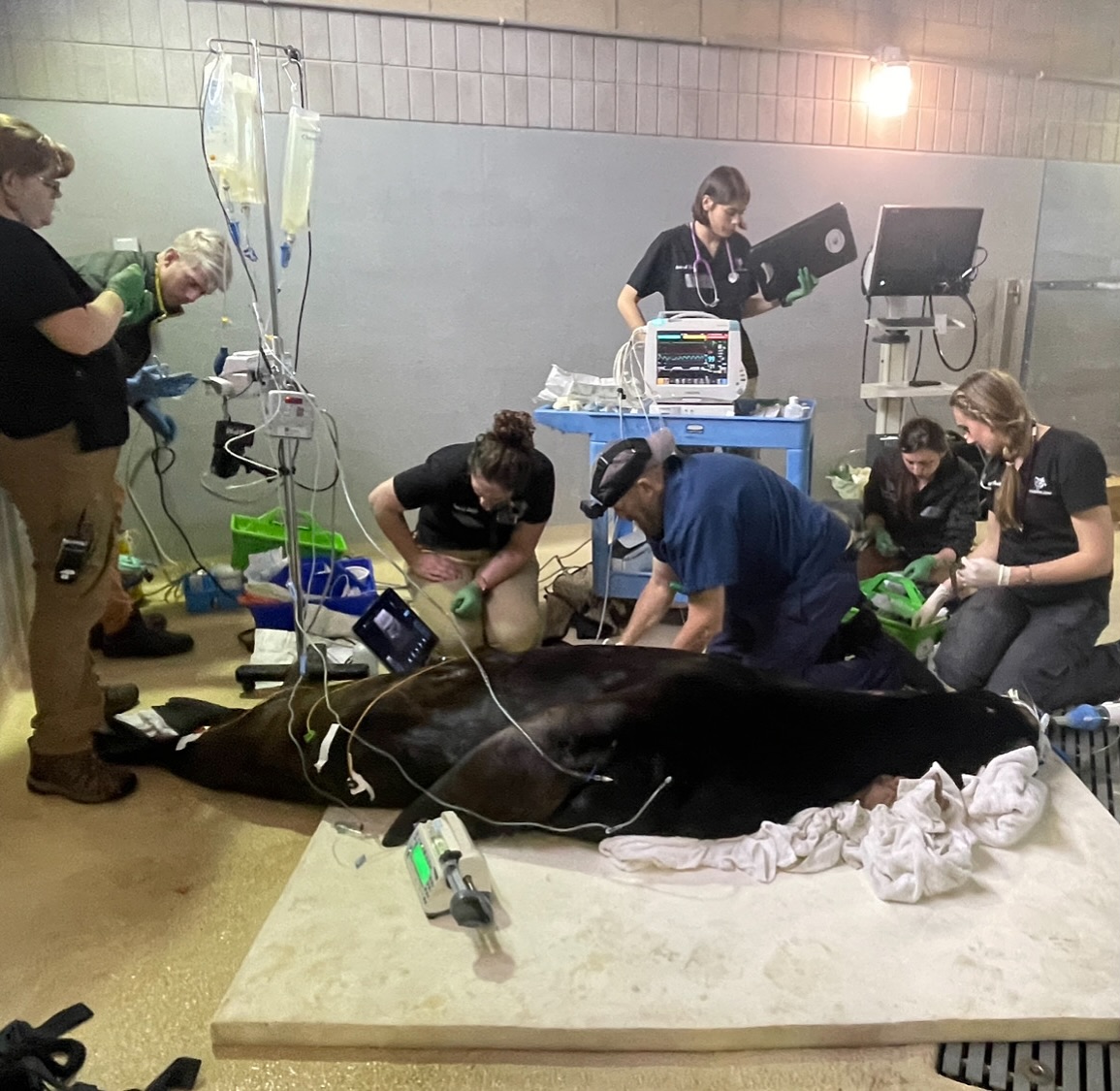
- The vital functions of veterinary technicians in zoo settings
- Training and education requirements for veterinary technicians
- Collaboration in animal care: teamwork within the Minnesota Zoo
- Contributions of veterinary technicians to wildlife conservation
- Celebrating National Veterinary Technician Week: Acknowledging the unsung heroes
The veterinary technician’s role in zoo settings is critical for optimal animal care. These professionals operate as indispensable members of the animal care team, offering skills that contribute significantly to animal health and well-being. They perform numerous tasks that ensure the animals at facilities like the Minnesota Zoo receive comprehensive veterinary services. From assisting in routine examinations to providing emergency care, veterinary technicians are essential for maintaining both the physical and mental health of the zoo’s residents. Their work protects not just individual animals but also contributes to the stability of populations, particularly for species that are endangered.
The training and education requirements for veterinary technicians are rigorous. To become a licensed veterinary technician (LVT), individuals typically need to complete an accredited associate degree program. Coursework generally includes subjects such as anatomy, physiology, animal behavior, pharmacology, and radiology. Hands-on training is also critical, as candidates must develop practical skills in laboratory techniques, anesthesia administration, and emergency response. Many programs also emphasize the ethical considerations of animal welfare and conservation, aligning the role of veterinary technicians with broader wildlife protection goals. After completing their education, individuals must also pass a national examination to obtain licensure, thereby validating their expertise and commitment.
Collaboration within the zoo is another vital component of effective animal care. At the Minnesota Zoo, veterinary technicians work alongside veterinarians, zookeepers, nutritionists, and other support staff. This multidisciplinary approach allows for comprehensive care plans that address medical, nutritional, and behavioral needs. Regular case meetings provide opportunities for team members to share insights and updates on animal health statuses, informing decisions that can impact the animals’ lives. The close-knit nature of this team fosters an environment of communication and support, ultimately enhancing the quality of care provided. Each member brings unique skills to the table, creating a holistic approach to animal health that benefits each species represented in the zoo.
Veterinary technicians also play a significant role in wildlife conservation efforts. Their skills are crucial for conducting health assessments and population monitoring for species that are endangered or at risk. By participating in wildlife rescue efforts, technicians can help reintroduce healthy animals into their natural habitats. Additionally, their involvement in educational programs raises awareness of pressing conservation issues, such as habitat loss, climate change, and poaching. By working to promote good health in wildlife populations, these professionals help maintain biodiversity, which is essential for ecosystem stability and resilience.
As National Veterinary Technician Week approaches, it serves as an opportunity to celebrate the tireless efforts of these skilled professionals. Their passion for animal welfare often goes unnoticed. Recognizing their contributions helps emphasize the importance of their roles not only in zoos but in veterinary medicine as a whole. Events throughout the week may include educational workshops, appreciation dinners, and social media campaigns that highlight veterinary technicians’ successes. By shining a light on their hard work, zoos can foster a culture of gratitude and acknowledgment, encouraging all staff members to appreciate one another’s contributions.
Veterinary technicians are crucial in providing a bridge between animal care and veterinary medicine. They often serve as the first line of communication with the animals, assisting in evaluations that inform treatment protocols. These technicians monitor animal behavior, administer medications, and assist with surgical procedures. Their role is also central in enforcing the highest standards of care, ensuring that animals receive the best possible treatment to lead healthy lives.
In addition to their clinical duties, veterinary technicians contribute to the zoo’s broader mission of education and conservation outreach. Many technicians take on roles that involve community education, presenting at local schools and public events. They explain the significance of species conservation and the challenges faced by various wildlife populations. Through these initiatives, veterinary technicians help nurture a sense of responsibility toward wildlife care within the community, encouraging future generations to appreciate and protect their natural environment.
The educational aspect of veterinary technician roles extends beyond simply informing the public. Technicians also play a part in training new zookeepers and veterinary staff, providing mentorship that shapes the next generation of animal care specialists. Their expertise allows them to share practical knowledge, such as effective animal handling techniques and ways to recognize signs of distress in different species. This mentorship ensures that the zoo can maintain high standards of care over time, fostering an environment where learning and continuous improvement are priorities.
Moreover, the collaborative spirit within zoos is often reflected in multidisciplinary projects that combine research efforts with veterinary expertise. Veterinary technicians may assist researchers in collecting data on animal health, behavior, and reproductive status. This data is invaluable not only for individual health assessments but also for advancing understanding of species-level trends. Such collaborative research can inform conservation strategies that respond to emerging threats to wildlife populations.
Recognition during National Veterinary Technician Week also includes acknowledging the emotional resilience these professionals often demonstrate. The veterinary field can be emotionally demanding, particularly when dealing with severely injured or sick animals. The capacity to remain calm and prevent distress is vital in those situations, as veterinary technicians often find themselves providing comfort both to the animals in their care and to concerned visitors. Training in emotional intelligence and mental health awareness can empower technicians to manage stress effectively, turning difficult situations into opportunities for learning and growth.
Ethics plays a significant role in the day-to-day responsibilities of veterinary technicians in a zoo environment. Technicians often grapple with complex ethical dilemmas involving the well-being of animals in a managed care situation versus the wild. Their understanding of animal welfare and species conservation principles ensures that all decisions align with best practices. By advocating for the animals’ best interests, veterinary technicians serve as a cornerstone for animal ethics in the overall functioning of the zoo.
At the Minnesota Zoo, the dedicated veterinary technicians bring a wealth of knowledge and skills to the table. Their commitment enhances the overall mission of the zoo, contributing to animal wellness while fostering public understanding about conservation issues. They are the quiet champions of the animal care team, ensuring that each living being receives the highest standard of attention and care.
As we observe National Veterinary Technician Week, it is essential to recognize the invaluable contributions that veterinary technicians make to wildlife conservation and animal health. The Minnesota Zoo exemplifies the collaborative efforts needed in this field. Through teamwork, compassion, and educational initiatives, these professionals are proving to be indispensable assets. Their work not only safeguards the animals under their care but also contributes significantly to the larger framework of biodiversity conservation.
By celebrating these incredible professionals with the respect and acknowledgment they deserve, we help shine a spotlight on the importance of veterinary care in wildlife facilities. The welfare of animals, the success of conservation initiatives, and the education of future generations depend on the unwavering dedication of veterinary technicians.
*****
Source Description
It’s National Veterinary Technician Week! At the Minnesota Zoo, it takes a large team of skilled staff working together to ensure success when caring for the animals, and our veterinary technicians play a critical role when it comes to ensuring that success. Follow along this week as we celebrate our awesome vet techs! 🩺❤️
