
- The significance of frog legs in culinary traditions
- The biology and ecology of frogs
- Frog sourcing and ethics in cuisine
- An overview of TCU football and its cultural impact
- Wildlife conservation through culinary practices
The cultural significance of frog legs transcends mere food; they are a culinary delight in various parts of the world, especially in France and the Southern United States. The phrase “We heard they serve frog legs here” suggests a playful nod to curiosity about this dish, as well as a deeper connection to local cuisine and traditions. Frog legs have become a food staple for many communities, often linked to regional culinary identity. During events such as the TCU football games at Amon G. Carter Stadium, unique dishes bring together fans and offer a tasty representation of local culture, enhancing the overall experience.
From a biological standpoint, frogs belong to the order Anura and comprise over 7,000 species. Their remarkable diversity is a reflection of adaptive evolution, enabling them to inhabit various environments—from rainforests to urban landscapes. Frogs play critical roles in ecosystems as both predators and prey. They primarily consume insects and other invertebrates, helping to control pest populations. In turn, frogs serve as a food source for numerous animals, including birds, mammals, and reptiles. Understanding frog biology and ecology informs us about their health and the balance of ecosystems.
The sourcing of frogs for culinary uses necessitates careful ethical considerations. In many regions, wild-caught frogs are harvested unsustainably. This practice can lead to population declines and biodiversity loss. On the other hand, farm-raised frogs provide a more sustainable option, although they come with their own set of challenges in terms of animal welfare and environmental impact. Consumers should seek frog legs from responsible sources to support ethical consumption and promote the health of frog populations.
Football culture at TCU, particularly during game day at Amon G. Carter Stadium, is an exciting mingling of athletics and community pride. The stadium itself is a symbol of the university’s commitment to excellence and tradition. Events like these not only highlight teamwork on the field but also encourage collaboration and camaraderie off it. Food choices at such events, including the now-famous frog legs, cater to a diverse audience and add flavor to the community’s social fabric.
Wildlife conservation initiatives are increasingly recognizing the role of culinary practices. Sustainable eating habits can drive positive change for ecosystems. By supporting ethically sourced food, consumers contribute to biodiversity conservation and habitat protection. Engaging communities in conservation through food creates a more informed public, fostering a deeper appreciation for wildlife. The frog legs served at local establishments can serve as an entry point for discussions about conservation and the importance of preserving frog populations and their habitats.
Frog legs are often prepared by frying, grilling, or sautéing, and they are typically described as having a mild flavor similar to chicken. With culinary techniques ranging from traditional Southern to French gourmet, the methods of preparation highlight versatility. The incorporation of frog legs into sports events underscores how food can unify audiences, drawing in both newcomers and long-time fans. This intersection of gastronomy and community engagement strengthens cultural identity and strengthens connections between residents and their natural surroundings.
Acquiring frog legs from sustainable farms is essential for maintaining frog populations. Organizations focused on wildlife conservation advocate for responsible farming practices, ensuring a balance between consumption and ecological preservation. By educating consumers on sustainable choices, restaurants and vendors can play a critical role in wildlife protection.
At the intersection of culinary delights and sports culture, TCU football festivities create a unique environment for appreciating not only the game but also local flavors. The phrase “We heard they serve frog legs here” exemplifies how food often serves as a conversation starter among attendees. Shared culinary experiences bring people together, sparking interest in both the meal and the underlying messages of sustainability and biodiversity.
Through proper awareness and education, the broader public can start to understand their impact on available frog species. This framework can encourage sustainable culinary habits and motivate concerted conservation efforts in protecting frog habitats. With initiatives that focus on raising awareness about the importance of frog populations, communities can thrive, balanced by a shared ecological responsibility.
The ecosystems frogs inhabit are rich and diverse, serving critical roles within terrestrial and aquatic environments. Amphibians like frogs are often indicators of ecosystem health; their presence or absence can signal environmental changes. Thus, a focus on frog conservation extends beyond simply preserving a single species; it becomes a larger discussion about habitat preservation and environmental quality.
In summary, integrating frog legs into culinary traditions, particularly during TCU football games, serves as a platform for promoting conversation around biodiversity and conservation. With ongoing discussions about sustainable practices and ethical sourcing, communities benefit both from human cuisine and from preserving their ecological heritage. The combination of enjoying frog legs while cheering for TCU football creates an experience that is both enjoyable and educational.
Engagement between consumers, local businesses, and wildlife conservation initiatives can redefine how society approaches food choices. By choosing to support dishes like frog legs sourced responsibly, individuals not only nurture their cultural identity but also contribute to global challenges such as habitat loss and declining biodiversity.
Ultimately, the narrative around frog legs served at Amon G. Carter Stadium offers more than just culinary curiosity; it represents an opportunity for collective engagement in ecological stewardship. As TCU football brings together fans and families, it also opens the door for necessary conversations about wildlife, consumption, and our shared responsibility to care for the natural world. Every decision made regarding food sourcing impacts not just individual health but also the ecological balance that sustains all life on our planet.
*****
Source Description
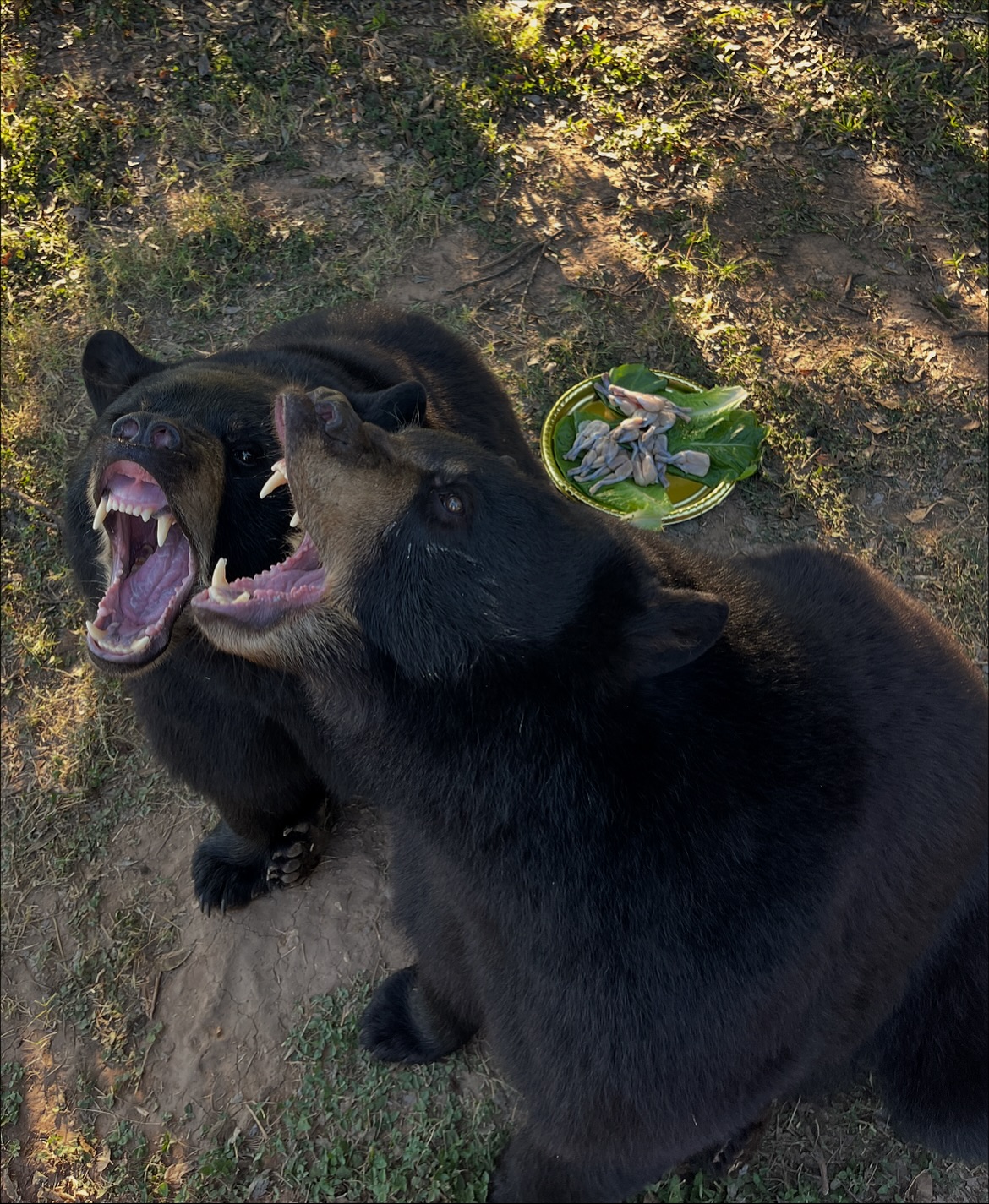
We heard they serve frog legs here 👀🐸
🏈 @bufootball vs. TCU
🏟️ Amon G. Carter Stadium
⏰ 11:00 a.m.
