
- The significance of enrichment activities for zoo animals and their mental health.
- Understanding the social structure and natural behaviors of meerkats.
- The role of birthday celebrations for animal welfare in zoos.
- The importance of community engagement in wildlife conservation.
- Educational initiatives derived from animal celebrations.
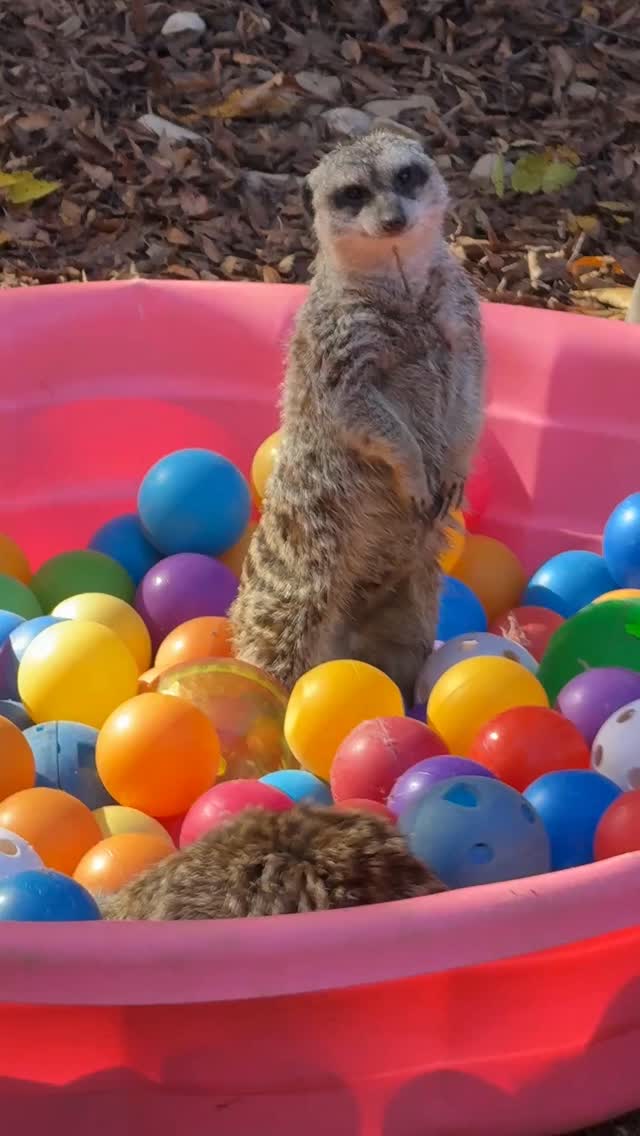
Yesterday, Will Wheaton had an amazing day celebrating his 11th birthday with his 11-year-old buddy, Barry. The meerkat duo enjoyed a fun-filled day of enrichment activities designed to stimulate their natural foraging behaviors and engage their curious minds. Enrichment is vital for zoo animals, as it helps mimic their natural environment and promotes mental health.
Enrichment activities are essential for maintaining the well-being of captive animals. In their natural habitats, animals spend considerable time searching for food, socializing, and exploring. Zoo environments can sometimes lack these elements, leading to stress and behavioral issues. Providing opportunities for animals to engage in activities that mirror their wild instincts fosters better mental health and can prevent stereotypical behaviors that arise from boredom.
For meerkats, which are naturally inquisitive and social creatures, activities such as digging, scent trails, and puzzles can be particularly beneficial. On their special day, Will and Barry may have been treated to activities mimicking the sensations of the wild, keeping them active and engaged. Facilitating such experiences allows zoo staff to enhance the animals’ physical and mental capabilities.
Meerkats live in social groups called mobs or clans, typically consisting of about 20 individuals. Their social structure is matriarchal, which means the dominant female leads the group. This complex social dynamic affects how they interact, communicate, and cooperate in their search for food and protection. Understanding their social behavior is critical for effective zoo management and enrichment planning.
As social animals, meerkats communicate through vocalizations, body language, and scent markings. They coordinate group activities like foraging and sentry duty, where one or more individuals keep watch while others feed. This social structure promotes cooperation and enhances survival. By observing these behaviors in a zoo setting, caretakers can tailor enrichment activities to stimulate their natural instincts, thus improving the quality of life for the animals.
Celebrating birthdays for zoo animals, such as Will and Barry’s festivities, serves multiple purposes. First, it allows for the celebration of the animals themselves, acknowledging their individuality and unique personalities. Birthday celebrations can also act as a focal point for community engagement, encouraging visitors to participate in animal welfare initiatives. People naturally connect with animals, and events like these foster a sense of empathy and understanding toward wildlife.
During these celebrations, animal care staff can introduce specialized treats or activities that enrich the animals’ environment. For example, a birthday cake made of fruits and vegetables can capture their interest. Observing how the animals react to such experiences is vital for understanding their preferences and enhancing future enrichment efforts.
Community engagement is critical for wildlife conservation, as it raises awareness about the importance of preserving natural habitats and protecting endangered species. Events like Will and Barry’s birthday encourage visitors to learn about meerkats, their ecology, and the conservation challenges they face in the wild. By fostering these connections, zoos can inspire the next generation of wildlife stewards.
Zoos play an important role in education. Visitors leave with new insights into animal behavior, ecology, and the significance of conservation. Educational initiatives surrounding animal events help convey messages about the threats faced by wildlife. People become advocates for preservation when they understand the intricacies of ecosystems and the importance of biodiversity.
Moreover, zoological organizations often collaborate with conservation programs in the wild. This partnership maximizes the impact of education and outreach efforts. When communities become aware of the plight of meerkats in their natural habitats, they are more likely to support conservation efforts. Fundraising events and awareness campaigns can emerge from commemorative activities, further promoting the cause.
Through observing the daily lives of meerkats and other animals, zoos contribute valuable data to the fields of zoology and wildlife conservation. They allow researchers to study animal behavior in controlled environments while providing opportunities for education and public engagement. These insights are pivotal in formulating effective conservation strategies, particularly as the challenges faced by wildlife become more complex.
In their natural habitats, meerkats thrive in the arid regions of southern Africa, primarily in the Kalahari Desert and surrounding areas. They burrow into the ground to create extensive underground homes. These dens protect them from predators and environmental changes. Learning about meerkats’ natural behaviors aids in developing appropriate captive care strategies.
In zoos, simulating the meerkats’ habitat includes providing ample burrowing opportunities, climbing structures, and safe spaces for social interaction. Such enhancements enable the animals to express natural behaviors, such as digging, which is crucial for their psychological health. Caregivers can monitor their dynamics and adjust habitats according to the group’s needs while observing social hierarchies and companionship.
The role of educational initiatives in regard to animal celebrations cannot be overstated. Events centered around animals like Will and Barry offer a captivating way for children and adults to learn about wildlife. Interactive exhibits, informative signage, and demonstrations help educate visitors about the importance of preservation. Such interactions inspire curiosity, fostering a deeper commitment to protecting the species that share our planet.
Using birthdays or special events as educational tools offers a compelling approach to conservation messaging. Storytelling, games, and themed activities attract attention and maintain engagement with visitors of all ages. Highlighting the stories of individual animals can evoke empathy, encouraging visitors to think critically about wildlife conservation.
Ultimately, the celebration of a birthday for two meerkats serves several vital functions in the context of zoological practices. It highlights the importance of enrichment in zoos, allowing animals to thrive emotionally and physically. Understanding meerkat behavior strengthens effective management and enhances the quality of life for these fascinating animals. Furthermore, recognizing such celebrations as opportunities for community engagement drives awareness about wildlife conservation.
In addition, these events allow zoos to promote educational initiatives, instilling a sense of responsibility among visitors. The interplay between education and engagement reveals a pathway for future activism in conservation efforts. By celebrating animals like Will and Barry, zoos not only create joyous experiences but also cultivate deeper connections to wildlife, leading to protection measures that benefit both animals and their ecosystems.
Through comprehensive approaches to animal care, educational initiatives, and community engagement, zoos play a key role in conservation efforts. As visitors learn about and connect with animals like meerkats, they gain a greater understanding of the challenges faced in the wild. This knowledge acts as a catalyst for action, fostering a culture of stewardship toward the natural world.
Celebrating Will Wheaton and Barry’s special day exemplifies this holistic approach, integrating animal welfare with community engagement and education. As we share these experiences, we inspire not just appreciation for wildlife but also a commitment to preserving the delicate balance of ecosystems amidst the challenges that lie ahead.
*****
Source Description
Yesterday, Will Wheaton had an amazing day celebrating his 11th birthday with his 11-year-old buddy, Barry. The meerkat duo enjoyed a fun-filled day of enrichment activities designed to stimulate their natural foraging behaviors and engage their curious minds. Drop a 🐾emoji in the comments to help us celebrate!
