
- Understanding flamingos: biology and behavior
- The significance of flamingo conservation
- Educational opportunities for visitors at the zoo
- Daily activities and care of flaminglets
- Community involvement and engagement through wildlife experiences
Flamingos are among the most recognizable birds, known for their striking pink coloration and elegant stance. These birds belong to the family Phoenicopteridae. Understanding their biology gives insight into their fascinating adaptations. Flamingos can weigh between 5 to 10 pounds and stand anywhere from 3 to 5 feet tall. Their iconic coloration is a result of carotenoid pigments found in the algae and crustaceans they consume. This rich diet also contributes to their strong beaks, adapted specifically for filtering food from water.
Behaviorally, flamingos are social creatures, often found in large groups. They engage in a variety of social activities, including synchronized movements during mating rituals, which reinforce social bonds. This social nature not only aids in breeding but also provides increased protection against predators. These adaptations highlight their complex social structures and environments. Observing their behavior provides invaluable insights into their needs, social structures, and how they thrive in their natural habitats.
Conservation is an urgent topic when discussing flamingos. Several species are facing threats due to habitat loss and climate change. An awareness of the ecological role flamingos play is essential. They help maintain aquatic ecosystems by feeding on certain organisms, thus influencing the balance of local environments. Conservation efforts often focus on habitat preservation. Protecting wetlands, where flamingos breed and feed, is a significant aspect of safeguarding their populations. Engaging the community in these efforts fosters a deeper understanding of the ecosystems that support these unique birds.
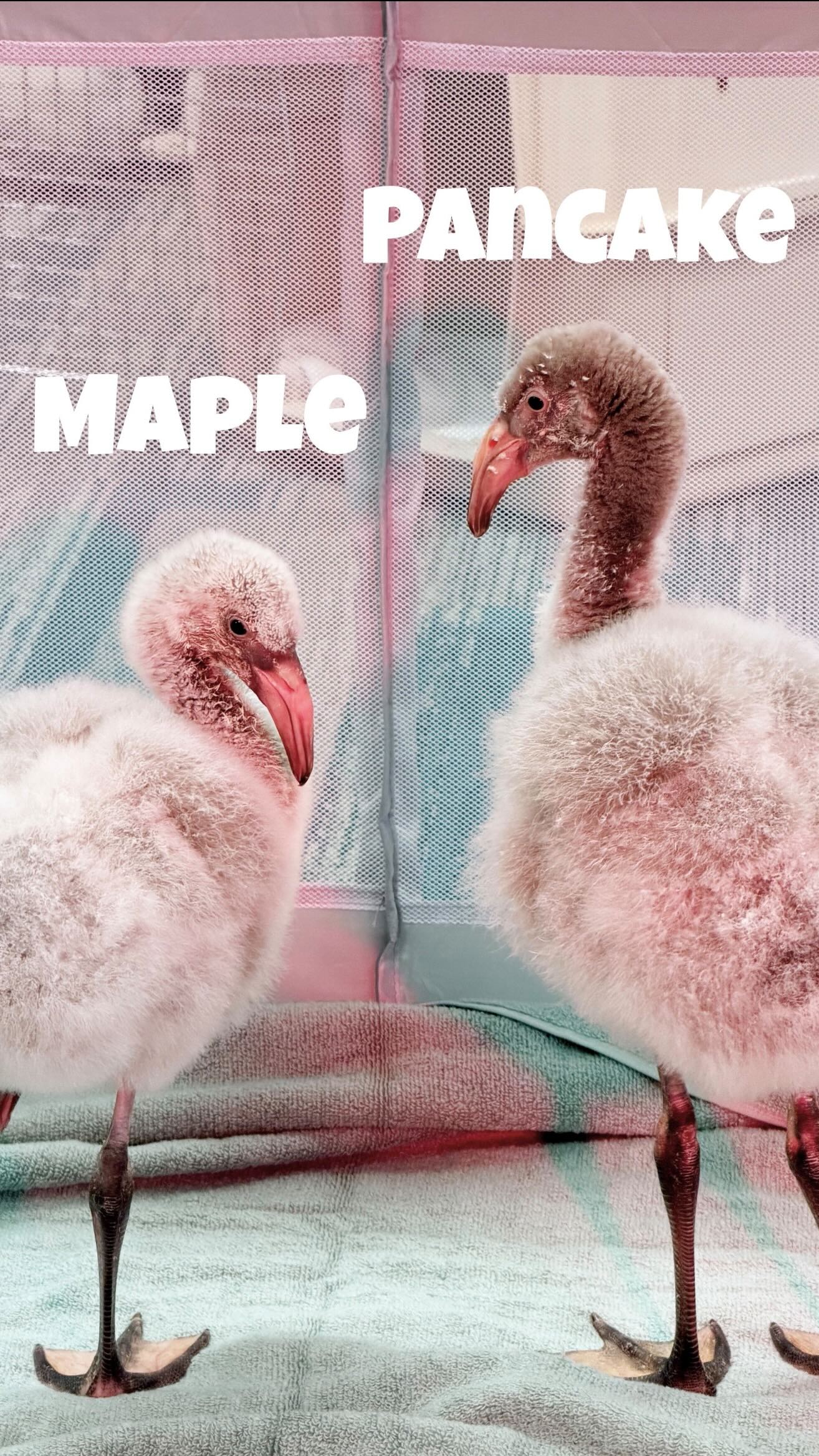
The upcoming event, “Come flamingle with our chicks,” at the Greenville Zoo offers a wonderful opportunity to learn more about flamingos and engage with their young, known as flaminglets. This event will run from Monday, November 10, and will offer daily viewing hours from 2 PM to 2:45 PM throughout November. Visitors will not only see the adorable chicks but also have the chance to ask questions and learn about their care and development. Educational sessions during these viewing hours aim to raise awareness about flamingo conservation and the role individuals play in sustaining wildlife populations.
Each flaminglet requires special attention during its early development. Zookeepers maintain a balanced diet, providing appropriate nutrients essential for growth. The chicks consume a diet rich in protein and calcium, vital for their strong development. Additionally, the birds develop their characteristic pink coloration as they mature, closely tied to their diet of specific algae and crustaceans. Zookeepers carefully monitor their environment, ensuring they are comfortable and healthy as they grow. This detailed care is key to raising flamingos in a zoo setting.
Community engagement is a crucial aspect of wildlife conservation. Events like “Come flamingle with our chicks!” serve to foster a connection between the public and wildlife. By allowing people to observe flaminglets and learn about their care, zoos promote an appreciation for these animals. Such events encourage families to participate in discussions about conservation and the importance of protecting habitats.
Visitor interaction during the event can inspire individuals to take action in their own lives. Simple changes, like supporting sustainable food choices or volunteering for conservation initiatives, can have a positive impact on wildlife preservation. Educational programs at the zoo also dive deeper into the overall importance of biodiversity. Exploring how different species interact within an ecosystem can be an enlightening experience for all ages.
Moreover, flamingos serve as indicator species. Their presence in an ecosystem reflects the health of their environment. By understanding the factors that affect flamingo populations, we gain insights into broader environmental issues. Changes in their population dynamics can signal shifts in habitat health, making flamingos a valuable component of ecological studies.
The importance of flamingos extends beyond their role in their ecosystems. They have cultural significance in various regions, symbolizing beauty and grace. Educational programs often explore this cultural aspect, highlighting how flamingos are depicted in art and literature. By connecting nature to culture, zoos can foster a deeper understanding and appreciation of wildlife.
As visitors experience the joy of watching flaminglets, they will also learn about the threats these birds face. Climate change impacts habitats, while human activities can degrade wetlands through pollution and development. Raising awareness about these issues during events can inspire conservation-minded behaviors in the community.
Overall, “Come flamingle with our chicks!” offers a unique opportunity to connect people with the beauty and significance of flamingos. By offering hands-on engagement and educational insight, the Greenville Zoo plays a pivotal role in wildlife conservation. Each flaminglet observed is not just a symbol of wildlife; it represents a broader conversation about our responsibility towards the environment.
The enthusiasm generated through such events can lead to increased community support for conservation initiatives. When individuals understand the direct impact of their actions on wildlife, they are more likely to participate in conservation efforts.
As November unfolds, the opportunity to interact with flaminglets at the Greenville Zoo extends beyond mere observation. It fosters an atmosphere of learning, understanding, and responsibility. The colorful world of flamingos beckons, and every visitor plays a part in ensuring these elegant birds continue to flourish.
Engaging experiences like this one underscore the importance of fostering a connection between the public and wildlife. The educational resources available during the event will deepen knowledge about flamingos, while fostering respect for all creatures.
Visitors will come away with a greater appreciation for flamingos and an understanding of their critical role in ecosystems. Understanding the interconnectedness of life in such settings can empower individuals to be more environmentally conscious in their daily lives.
A visit to see the flaminglets at the Greenville Zoo is more than just a fun activity. It is an enriching experience that highlights the beauty of nature and the need for its protection. Together, we can contribute to the conservation of flamingos and other wildlife by engaging in positive environmental practices and raising awareness. Each flaminglet is a reminder of why conservation matters and the impact humans have on the planet.
Through increased awareness and community involvement, we can work together to safeguard the future of flamingos and ensure that these stunning birds continue to dazzle generations to come. Ensure you participate in the upcoming event to gain a closer connection with the natural world and enrich your understanding of wildlife conservation.
*****
Source Description
Come flamingle with our chicks!🦩Starting Monday, Nov. 10, you can get an up-close look at our newest flaminglets at the @greenvillezoo.
Stop by Monday through Friday from 2–2:45 p.m. to say hello. 👋 Viewing hours continue throughout November.🩷
