
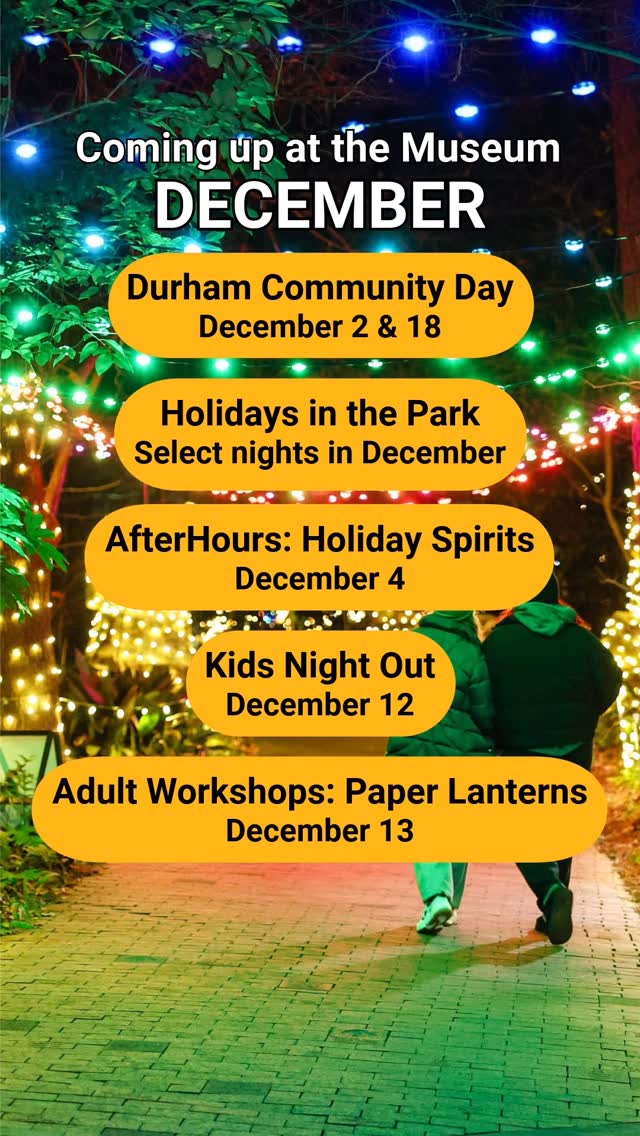
- This month’s featured exhibitions highlight biodiversity and ecological health.
- Educational programs emphasize the importance of wildlife conservation and sustainability.
- Special events aim to engage visitors of all ages in interactive learning experiences.
- Collaborative efforts showcase the role of local communities in conservation.
- Behind-the-scenes tours provide insight into zoo management and animal care.
This month at the Museum, diverse exhibitions are set to illuminate the vital connections between biodiversity and ecological health. The primary focus will be on the critical role that various species play in maintaining their ecosystems. One standout exhibition is titled “Guardians of the Earth,” which showcases endangered species and their habitats. Each section of the exhibition features immersive displays that simulate natural environments and engage visitors in understanding the pressures facing these animals, from habitat loss to climate change. It stresses the interconnectedness of species and how the decline of one can lead to ripple effects throughout the ecosystem.
Additionally, another noteworthy exhibition named “Living Landscapes” highlights the importance of flora and fauna in ecosystem resilience. This exhibition allows visitors to engage with interactive displays that illustrate how plant life supports various animal species and contributes to clean air and water. By emphasizing the role of plants, the exhibition drives home the message that conservation efforts must consider both animal and plant life.
Educational programs this month focus on wildlife conservation, aiming to raise awareness about the challenges that various species face. Special lectures by field experts will take place weekly, covering topics related to conservation strategies and habitat protection. By providing a platform for these professionals, the Museum empowers visitors with knowledge and a deeper understanding of the scientific principles behind conservation. Workshops tailored for families will also be offered, allowing attendees to participate in hands-on activities. These sessions aim to connect individuals, including children, to the excitement of wildlife observation and encourage future generations to embrace environmental stewardship.
In addition to exhibitions and educational workshops, the Museum will host several special events designed for all ages. A weekend “Wildlife Festival” presents opportunities for visitors to engage with interactive animal encounters, expert discussions, and art exhibits focused on wildlife. This festival allows individuals to meet with conservationists and learn about sustainable practices they can implement in their own lives. Alongside, live demonstrations will feature animal care practices, where visitors can see firsthand how zookeepers prepare diets, conduct health checks, and provide enrichment activities for the animals. Such experiences can foster a profound respect for wildlife and motivate people to get involved in conservation efforts.
Collaborative efforts extending to local communities will emphasize the importance of collective action in the face of environmental challenges. “Community Conservation Days” will bring together families and local organizations for various conservation projects, such as habitat restoration in nearby nature reserves. This initiative not only enhances local biodiversity but also strengthens community bonds, illustrating that everyone has a role in conservation. It is an opportunity for participants to learn about native species, sustainable practices, and the ecological significance of local environments.
Moreover, the Museum will offer behind-the-scenes tours, allowing visitors an intimate glimpse into zoo management and animal care practices. These tours will provide an overview of the daily routines involved in animal husbandry, from diet formulation to habitat design. Such insights into the intricacies of zoo operations underline the responsibility that comes with wildlife management and care. Participants will learn about the critical aspects of veterinary care, behavioral training, and enrichment strategies that enhance animal well-being.
The Museum’s programming this month aims to foster a culture of conservation and highlight the intertwined fates of humans and wildlife. By exposing visitors to the educational facets of zoo and wildlife management, the Museum serves as an important resource. The efforts within the exhibitions, educational programs, special events, community collaborations, and behind-the-scenes tours work together to inspire stronger connections to nature.
A focus on biodiversity and ecology arms individuals with the knowledge necessary to make informed decisions about conservation efforts. For instance, understanding the various roles that species play can help underscore the need for biodiversity in agriculture and urban planning. With ongoing pressures from climate change and human activity, grasping ecological concepts can bolster public support for policy changes aimed at conservation.
Retention of biodiversity lies at the core of a healthy planet. Species loss can have severe consequences. The decline in pollinator populations, for example, poses significant threats to global food production. The Museum’s educational outreach can guide visitors to recognize the importance of these small but crucial ecosystems. By equipping attendees with scientific data and real-world examples, the Museum bolsters the broader conservation movement.
Furthermore, integrating art and nature provides a creative outlet for exploring conservation themes. The artistic element of ongoing exhibitions invites reflection and provocation. Through visual storytelling, visitors may engage with environmental issues on a more emotional level, strengthening their resolve to contribute positively.
The commitment to educating the public about wildlife conservation is not merely a seasonal initiative; it reflects an ongoing dedication within the Museum’s mission. Monthly programming transforms the institution into a dynamic hub for knowledge and collaboration around critical environmental themes. Whether through a workshop, a lecture, or a family event, each interaction should spur curiosity and engagement.
Promoting sustainability through practical advice is a complementary aspect of the Museum’s wider educational agenda. Community members are invited to explore options for reducing their ecological footprint through actions such as native gardening, water conservation techniques, and waste reduction practices. As these initiatives become more widespread, communities gain essential tools for fostering positive environmental changes.
In summary, this month’s offerings at the Museum serve as a multifaceted educational resource designed to inform and inspire. By focusing on the relationships between species and their ecosystems, the exhibitions underscore the urgency of conservation efforts. Through diverse programming, the Museum aims to engage visitors of all ages in a meaningful dialogue about wildlife and environmental sustainability.
Such an informed community can indeed become a crucial element in the broader narrative of conservation. The interconnections of human behavior and wildlife health are more relevant than ever. By understanding these relationships, individuals can take informed steps forward. As we embrace this education journey at the Museum, the potential to affect positive change grows exponentially. Educated individuals can become influential advocates for wildlife conservation, ensuring a balanced, healthy ecosystem for future generations.
With a renewed understanding derived from this month’s features, visitors are encouraged to remain curious and proactive in their personal conservation journeys. The experiences at the Museum are undoubtedly set to ignite passion and commitment to preserving biodiversity and ecosystems. Engaging with wildlife on these various levels fosters a deeper connection and promotes a culture of environmental responsibility within the community.
*****
Source Description
Here’s what’s on at the Museum this month!
Click the 🔗 in our bio for all the details on these events and more.
